KCAA Drone Permit Requirements Kenya | 2026 Aerial Filming Guide
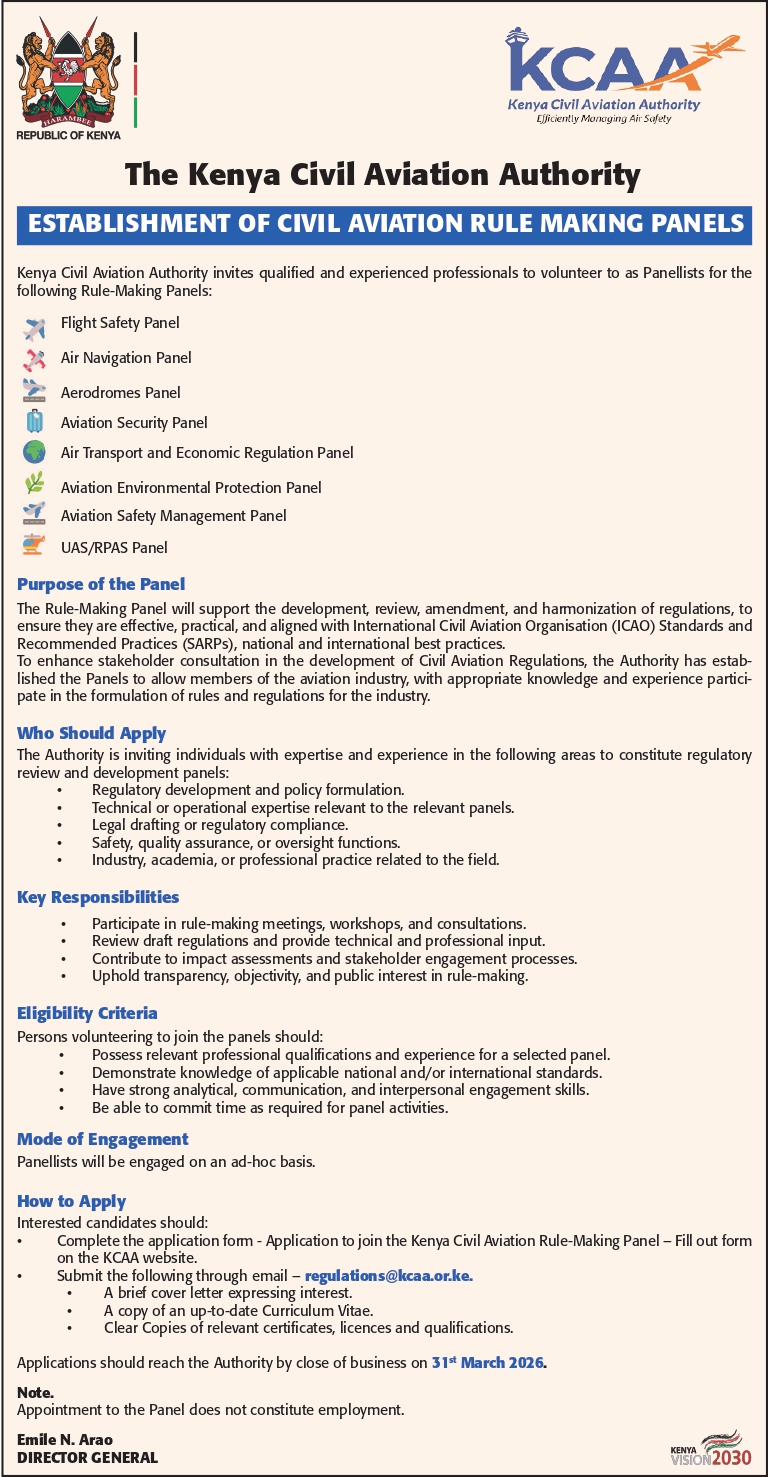
Navigating KCAA Drone Permit Requirements for Aerial Videography in 2026 involves adhering to updated real-time tracking protocols and digital logging mandates enforced by the Kenya Civil Aviation Authority.
Event organisers and marketing managers must verify these regulatory standards to prevent equipment grounding and legal penalties during a corporate photoshoot Kenya or a major commercial production.
The regulatory framework for commercial drone operations in Kenya requires specific financial and temporal commitments as outlined below.
- Verification of valid Remote Pilot Licences and official local drone registration.
- Hardware compatibility with the 2026 Remote ID broadcasting mandate.
- Submission of specific flight coordinates for security and aviation clearance.
- Real-time mission logging via the centralised KCAA mobile application.
The 2026 Kenya Civil Aviation Authority Unmanned Aircraft Framework
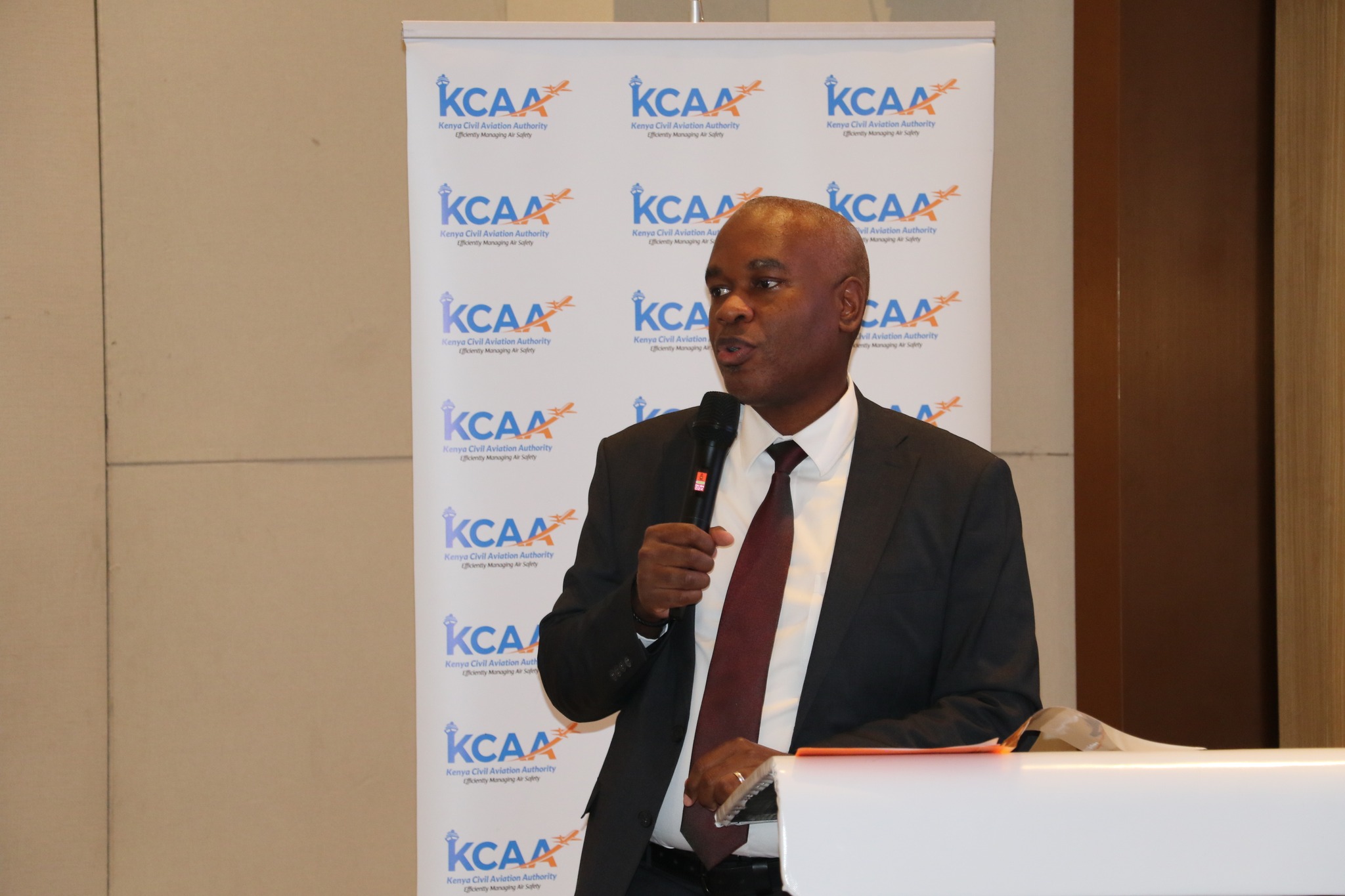
The Kenya Civil Aviation Authority restructured unmanned aircraft operations in 2026 to prioritise active airspace monitoring across the country. Commercial teams operating in photoshoot Nairobi zones or photoshoot Mombasa regions no longer utilise static paper permits for their missions.
The regulatory body now utilizes dynamic tracking capabilities to monitor aircraft in high-traffic areas and sensitive zones.
Professional videography Kenya agencies must hold a valid Remote Operator Certificate to perform legal commercial flights. This certificate confirms that the agency meets the safety and operational standards required for financial gain through aerial filming.
Hiring uncertified hobbyists for professional events leads to immediate equipment confiscation and project shutdowns by aviation security teams.
Certification Standards for Remote Pilots and Drone Registration
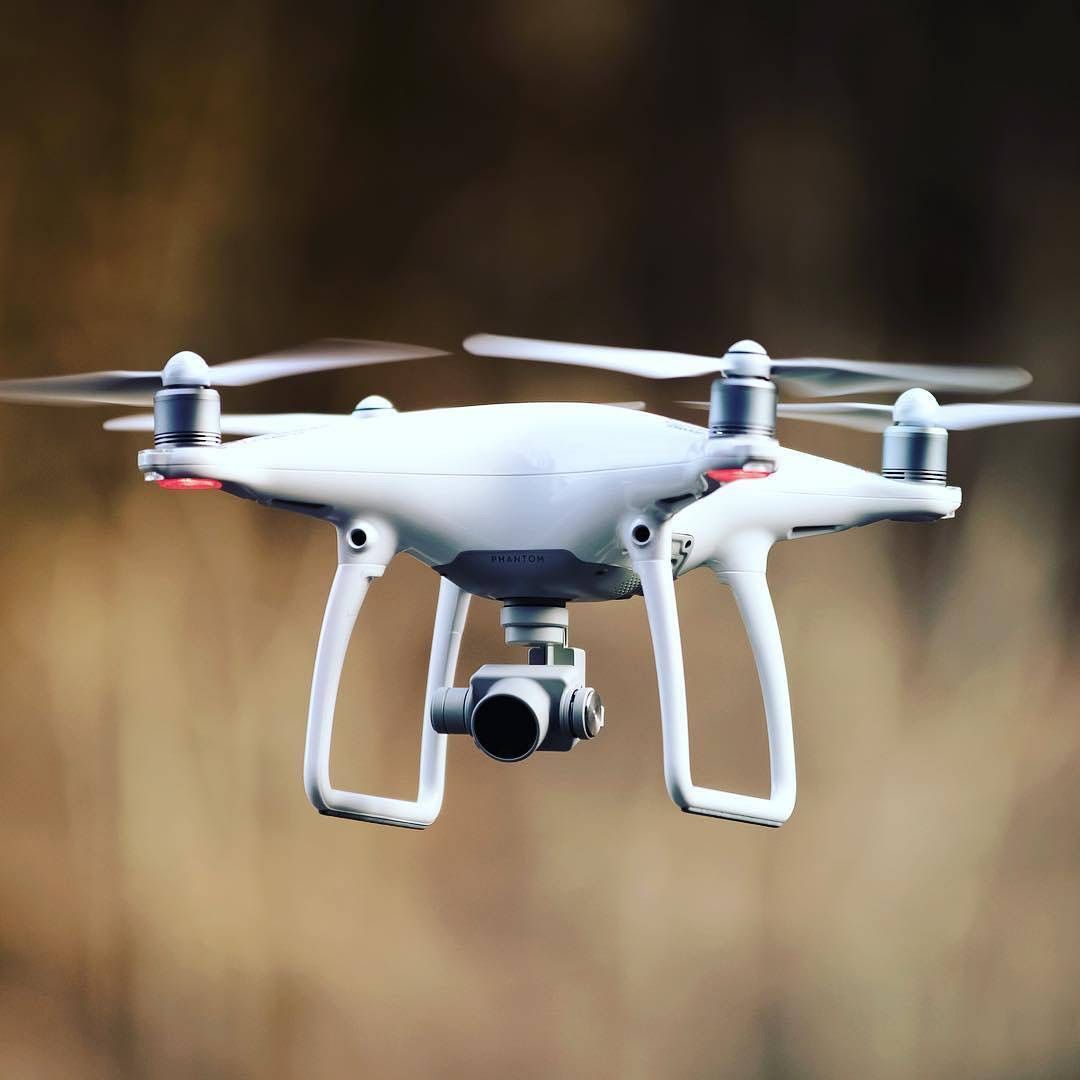
Remote pilots must possess a valid Remote Pilot Licence issued by the KCAA to operate drones on any commercial set.
Certification involves passing ground school examinations and practical flight assessments at authorised aviation training schools within Kenya.
The commercial photography Kenya specialist keeps digital and physical copies of these credentials for inspection during every shoot.
Drones undergo mandatory registration with the KCAA before their first flight on a commercial project. This process assigns a unique identification number that the operator must paint or affix to the aircraft chassis.
Pilots using high-end cinema drones like the DJI Inspire 3 must link these specific serial numbers to their official operator profile to remain compliant with current aviation law.
Sequential Steps for Obtaining Flight Authorisation
Flight authorisation requires systematic coordination between the production team and multiple government departments.
The project coordinator at Photoshoot Kenya initiates these applications several weeks in advance to accommodate administrative processing times.
- KFCB Licence Acquisition: The team secures a commercial filming licence from the Kenya Film Classification Board covering the specific dates and locations of the event.
- Ministry of Defence Security Clearance: Operations near national parks or government infrastructure require written clearance from the Ministry of Defence.
- KCAA Portal Submission: The flight planner uploads all clearances and pilot credentials to the KCAA online portal for final mission approval.
Implementation of the 2026 Remote ID Tracking Standard
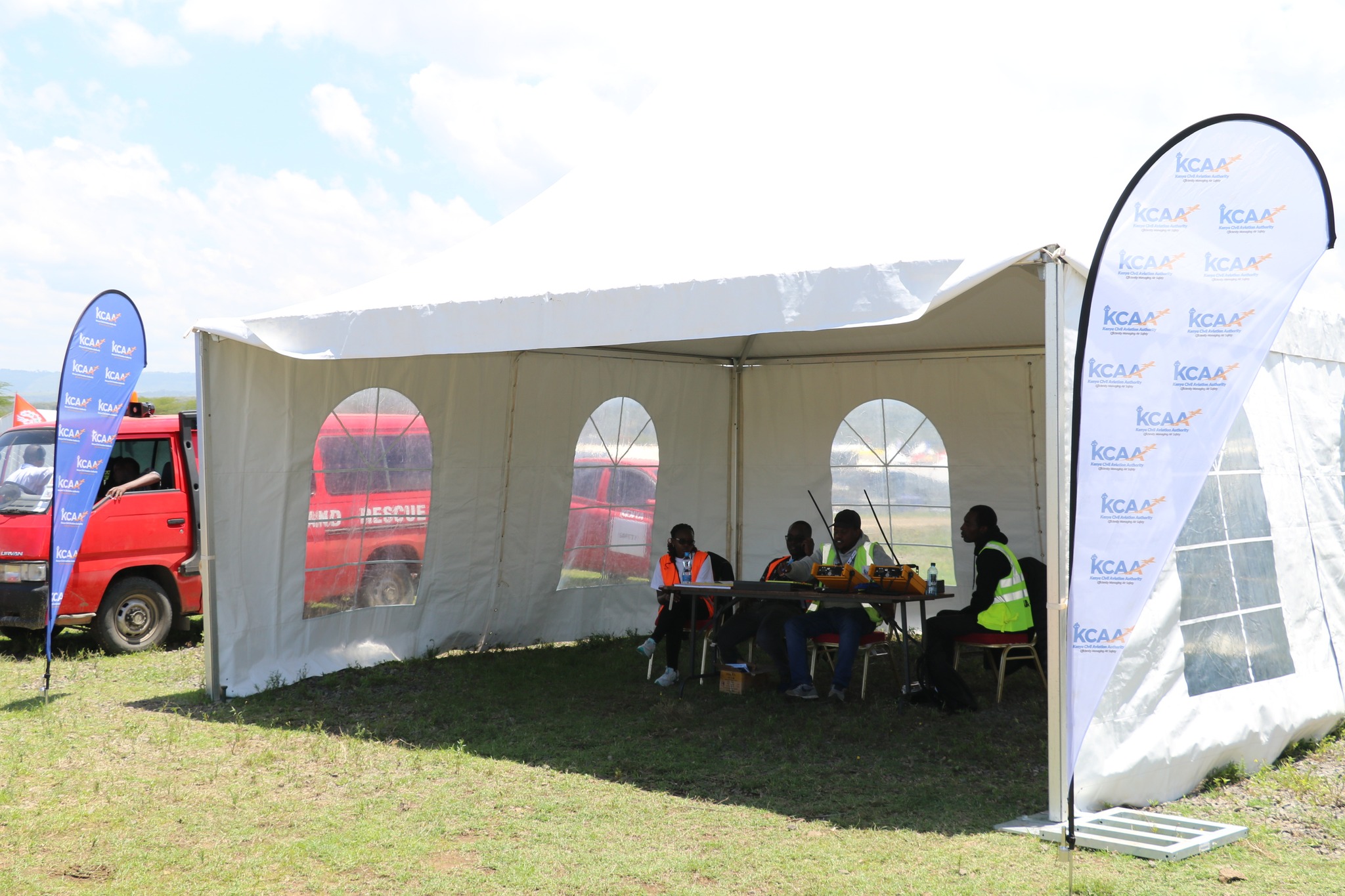
The 2026 regulatory framework introduces the Remote ID mandate for all commercial aircraft operating in Kenyan airspace.
Drones must include firmware or hardware that broadcasts the location of the aircraft and the pilot to KCAA monitoring towers. This system allows for active surveillance of the skies to prevent collisions with manned aircraft or unauthorised flights over restricted areas.
Production agencies must audit their equipment to confirm built-in Remote ID capabilities. Older aircraft that lack native hardware require the installation of external broadcast modules to transmit telemetry data.
Failing to transmit this digital signature triggers an automatic alert to local aviation security and results in the immediate suspension of the flight licence.
Operational Safety Protocols and Incident Reporting Requirements
Licensed pilots maintain a constant visual line of sight with the drone during every mission. Flights are capped at 122 metres above ground level to ensure separation from low-flying aircraft near airstrips or wildlife conservancies.
A professional wedding photographer Kenya specialist uses ground spotters to monitor for birds or other obstacles during complex aerial tracking shots.
Sudden weather changes or equipment failures require the immediate execution of safety protocols. The pilot initiates a return to home sequence if the signal becomes unstable or battery levels reach a critical threshold.
Pilots must submit a detailed incident report to the KCAA within 24 hours if a flight results in any property damage or physical injury.
Management of Mandatory Digital Flight Logbooks
KCAA replaced traditional paper logbooks with a centralised digital application for the 2026 operational year.
Remote pilots install this application on the devices used to control the aircraft to establish a direct link between the flight and the regulator.
The photography blog Kenya experts highlight that this application prevents the drone from starting until the pilot logs the mission coordinates.
Submission of Digital Manifests and Post Mission Logs
The pilot enters pre-flight risk assessments and wind speed data into the application before launching the aircraft. This digital manifest includes the intended flight radius and the duration of the shoot.
After the flight ends, the operator uploads the final parameters to the KCAA server to complete the mission record.
Law Enforcement Access and Digital Inspection Procedures
Local police and aviation inspectors use backend access to the digital logbook system to monitor flights from a distance. Inspectors scan the broadcasted Remote ID signature and compare it with the active digital manifest on their mobile devices.
This digital verification allows the team to continue the photography services without stopping for a manual check of paper documents.
Professional Compliance Management for Kenyan Aerial Projects
Photoshoot Kenya manages the entire regulatory process to protect clients from legal liabilities and production interruptions.
The coordination team handles all licensing and security clearances well before the scheduled shoot dates. This approach allows clients to focus on the creative aspects of their event while the crew manages the technicalities of aviation law.
Our pilots are fully certified and operate drone fleets that meet all 2026 Remote ID requirements. You can book photographer and drone teams with the confidence that every flight operates under a legal Remote Operator Certificate.
We provide compliant aerial coverage for corporate events and commercial films without compromising the project timeline.