NGO Documentation Photography Kenya | Ethical & Technical Guide
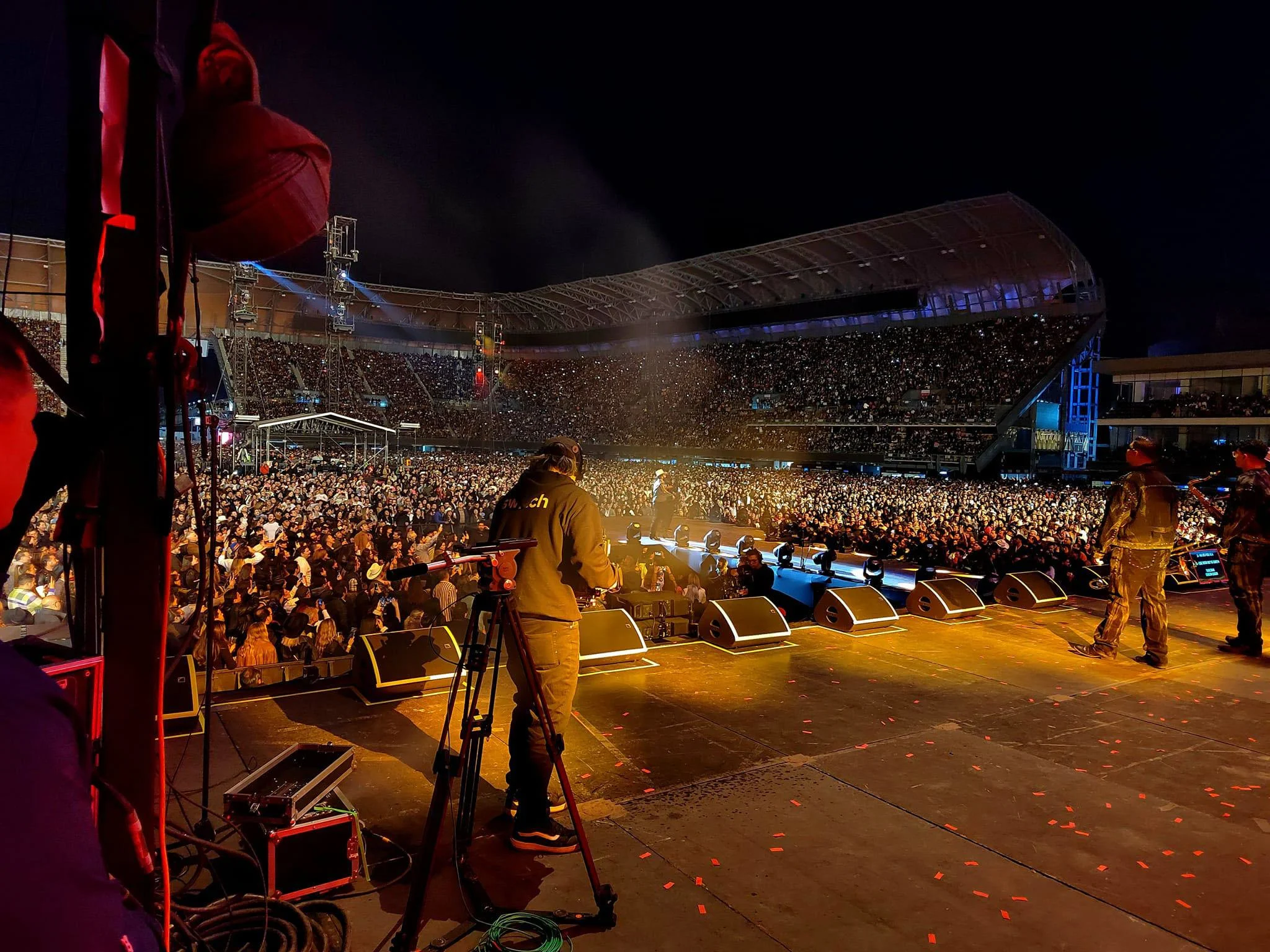
High quality NGO documentation photography for field projects in Kenya serves as the primary mechanism for recording social impact metrics across diverse and demanding environments.
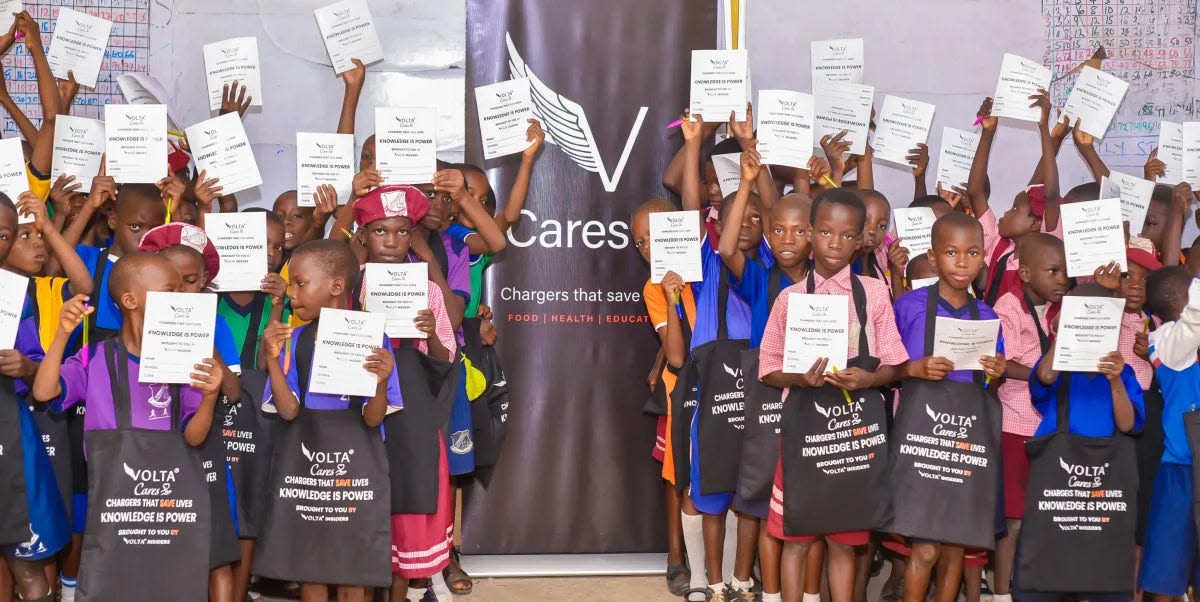
International donors and grant directors require these verifiable visual assets to satisfy reporting mandates and secure future funding through transparent resource allocation.
- Ethical Subject Consents: Photographers obtain written and verbal agreements that prioritise community dignity and participant safety.
- Remote Data Redundancy: Teams use dual-slot camera configurations and hard drive mirroring to protect data in off-grid locations.
- Donor-Compliant Formatting: Editors deliver high-resolution files with precise IPTC metadata and descriptive captioning.
- KCAA Compliance: Drone operators secure necessary permits for aerial mapping and site overviews.
| Package Tier | Included Services | Ideal Project Scope |
|---|---|---|
| Single-Site Visit | 1 Field Day, 100 Edited Images, Basic Metadata | Localised interventions such as a single school or clinic. |
| Multi-County Tour | 3-5 Field Days, 500+ Images, Advanced IPTC Tagging | Regional programme evaluations and annual reports. |
| Longitudinal Study | Quarterly Visits, Standardised Progress Framing | Multi-year infrastructure or agricultural projects. |
Ethical Consent Frameworks for Humanitarian Photography in Kenya
Field researchers indicate that modern NGO documentation requires consent-first ethical framing to meet international humanitarian standards. This methodology employs dignity-centered angles by shooting at or below eye level.
This technique ensures participants appear as empowered individuals rather than passive subjects of a project. Field teams secure documented permissions from community leaders and individual participants before any cameras are deployed.
Agencies provide translated consent forms in Swahili and other regional dialects to ensure everyone understands how the images will be used in international reports.
Technical Equipment Standards for Remote Field Documentation
Visual teams operating in arid regions like Turkana or Marsabit require heavily weather-sealed camera bodies and redundant power systems. Fine dust and extreme heat damage standard consumer electronics.
Professionals use magnesium-alloy equipment with internal gaskets to maintain functionality during long deployments. Off-grid operations necessitate robust charging solutions when electricity is unavailable.
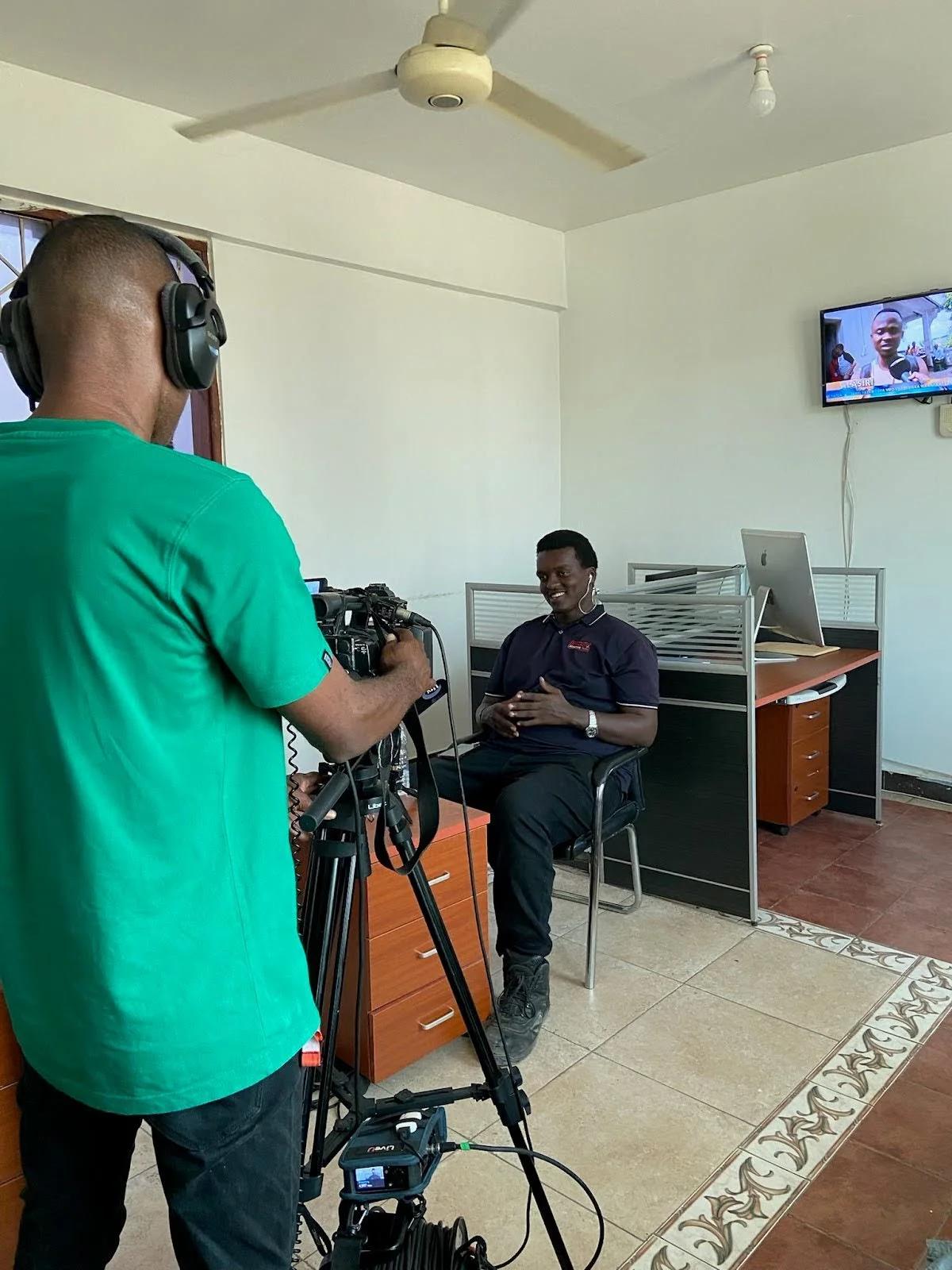
Production teams carry high-capacity V-mount power banks and portable solar panels. These tools sustain multi-day schedules and support photography services in the most remote areas of the country.
| Equipment Category | Field Requirement | Logistical Benefit |
|---|---|---|
| Primary Cameras | Dual SD/CFexpress slots | Creates instant visual backups during remote shoots. |
| Lenses | Internal zoom and weather-sealed | Prevents fine dust ingress during outdoor deployment. |
| Power Management | V-Mount batteries and solar kits | Sustains multi-day shooting schedules away from generators. |
Structured Visual Narratives for Social Impact Reporting
Programme officers use structured visual narratives to convert complex data sets into compelling grant applications. Photographers follow a strict shot list that includes wide contextual frames, medium operational shots, and macro details of specific interventions.
Every image isolates the core solution provided by the organisation. This might include newly installed water pumps or agricultural training sessions.
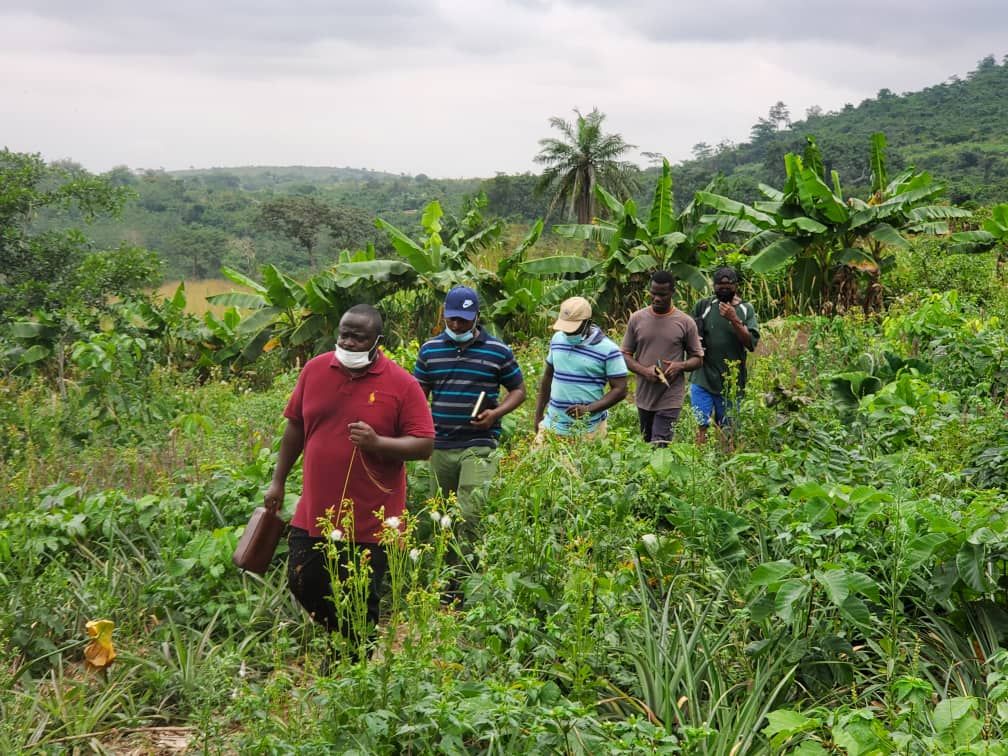
Clear focal points remove visual clutter. This clarity allows stakeholders to identify the precise operational impact of the project immediately.
A professional corporate photoshoot Kenya specialist often applies these same principles to ensure branding remains consistent across all NGO publications.
Logistical Coordination and Cultural Safety in Rural Counties
Navigating rural Kenyan counties involves strict adherence to local cultural hierarchies and regional security guidelines.
Production coordinators contact local administrative chiefs and village elders weeks before the shoot date. These meetings establish trust and clarify the objectives of the project.
Transporting high-value equipment through difficult terrain requires customised 4x4 vehicles. Teams use lockable, shock-absorbent cases to protect hardware from road conditions and theft.
This level of preparation is standard for photoshoot Nairobi teams when they transition from urban offices to field environments.
Digital Asset Management for International Donor Compliance
International organisations require rigorous digital asset management to catalogue the thousands of images generated during field operations. Editors embed specific IPTC metadata into every file.
This data includes GPS coordinates, participant names, and programmatic keywords. Colour grading protocols ensure skin tones and environmental lighting remains realistic to preserve documentary authenticity.
Retouching stays limited to exposure correction and sensor dust removal. These steps ensure total compliance with global photojournalism ethics.
The photography blog Kenya resources often highlight these technical workflows as essential for professional delivery.
- Metadata Embedding: This process attaches geolocations and project codes to trace project timelines.
- Categorised Folder Structures: Editors separate deliverables into high-resolution print and web-ready directories.
- Secure Cloud Hosting: Agencies provide encrypted links for international donor access and rapid download.
Aerial Photography Licensing and KCAA Compliance for Field Projects
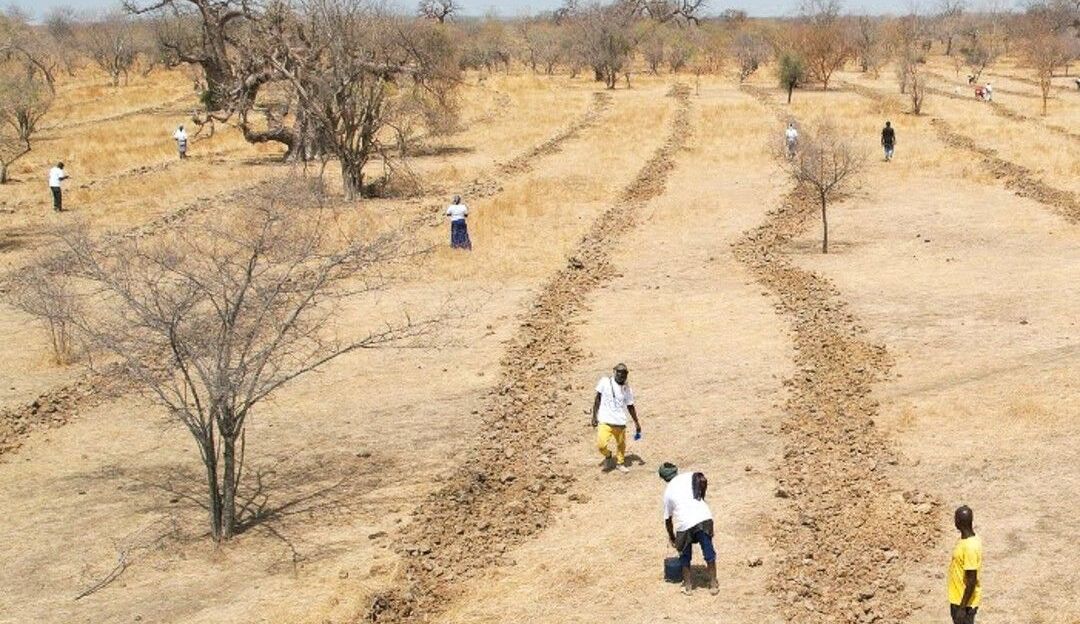
Operating unmanned aerial vehicles for project mapping requires strict compliance with the Kenya Civil Aviation Authority (KCAA). Certified drone operators submit flight plans and remote pilot licences before deployment.
Aerial photography provides critical macro-level perspectives for agricultural initiatives and environmental conservation zones. Legal compliance prevents equipment confiscation and protects the NGO from regulatory penalties.
These aerial views are often integrated with videography Kenya packages to provide a comprehensive overview of large-scale infrastructure builds.
Professional NGO Photography Services through Photoshoot Kenya
Photoshoot Kenya coordinates specialised visual documentation teams trained in humanitarian and development sector protocols. Project managers access a vetted roster of local photographers who possess both technical skill and regional cultural knowledge.
Organisations begin the booking photoshoot Kenya process by submitting their specific grant reporting requirements and shoot locations. The production desk then formulates a logistical plan.
This plan covers 4x4 transport, aviation permits, and equipment allocation to ensure the project is executed precisely. Clients can browse the full range of commercial photography Kenya options to find the right fit for their specific documentation needs.
For further assistance or to start a project, organisations can contact Photoshoot Kenya to discuss their field requirements.