Expert Guide to Photo Booth Backdrops | Nairobi Events
Professional photo booth backdrops serve as the structural foundation for high-quality corporate and social event photography in Nairobi.
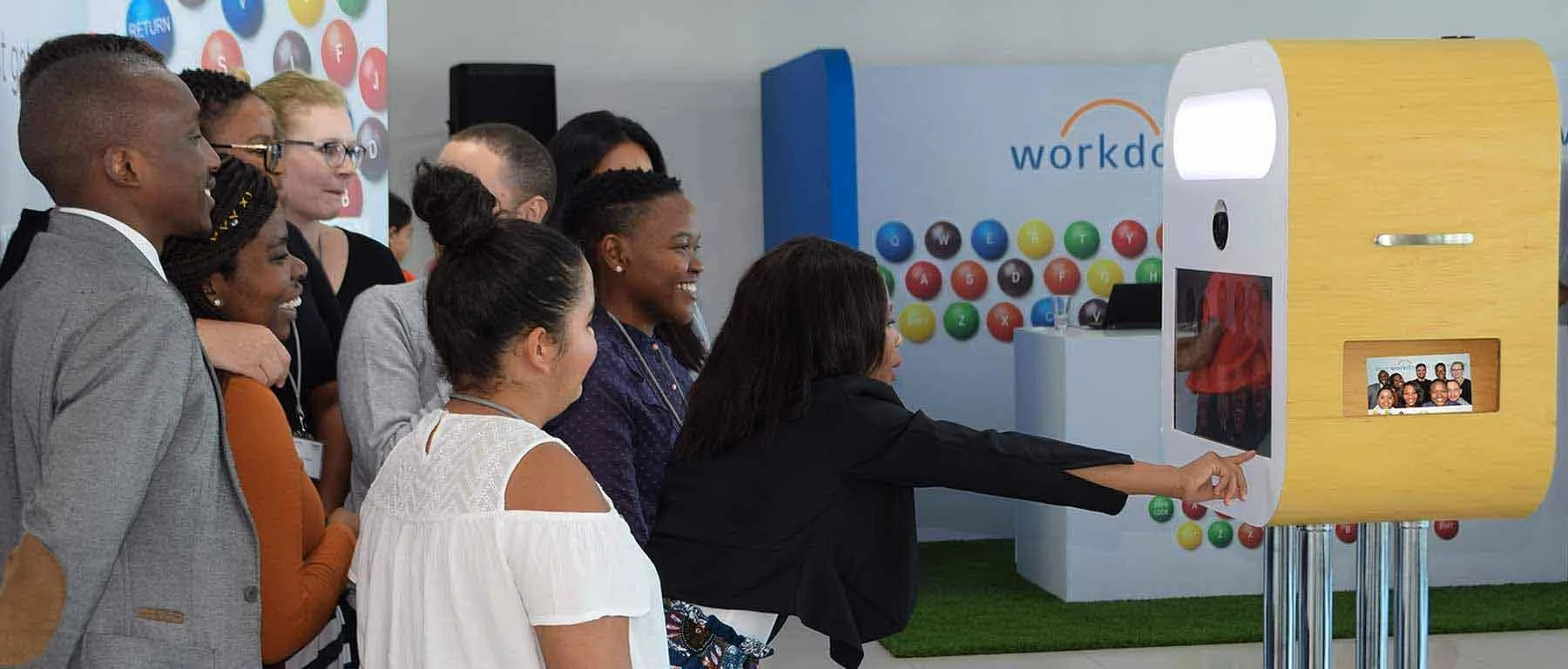
Marketing managers and event producers in Kenya rely on these specialised surfaces to ensure brand logos appear crisp and legible without interference from camera flash glare or environmental shadows.
- Tension Fabric Systems: These include glare-resistant materials stretched over aluminium frames for rapid deployment and a wrinkle-free finish.
- Rigid Media Boards: Solid PVC or acrylic walls provide a stable base for heavy 3D branding and outdoor activations.
- Active LED Video Walls: Emissive displays project motion graphics and dynamic sponsor loops for high-end technology summits.
- Constructed Decor Walls: Engineered floral or textured installations integrate directly with venue aesthetics for premium professional photographer Kenya services.
Strategic Selection of Professional Photo Booth Backdrops for Kenyan Events
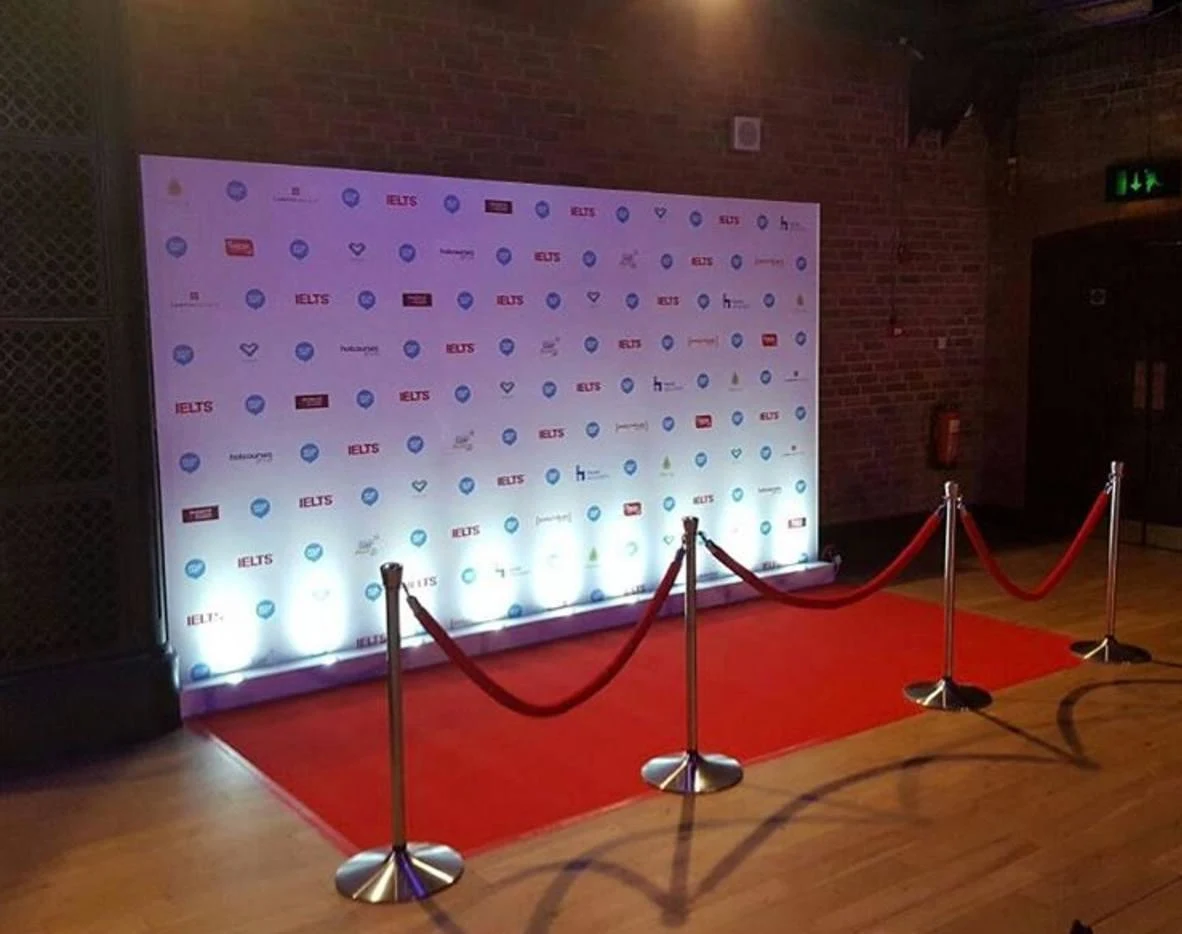
Corporate clients require precise colour matching and uncompromised logo visibility across all event media. Event producers specify exact Pantone shades to align with brand guidelines during Nairobi conferences.
This precision ensures consistency across print and digital outputs for every corporate photoshoot Kenya project. Production teams evaluate the expected guest volume to determine the necessary width. They often opt for 3-metre wide expanses to accommodate large departmental group shots without exposing the edges of the frame.
The wedding photography Nairobi sector prioritises texture and depth to complement the established venue decor. Integrating floral arrangements or custom neon signs over rigid frames provides an interactive element for guests.
Technicians anchor these heavy decor walls securely. This prevents structural instability during high foot traffic around the booth area. Every installation undergoes a safety check to ensure it remains upright in busy ballroom environments.
Comparing Backdrop Materials and Professional Utility
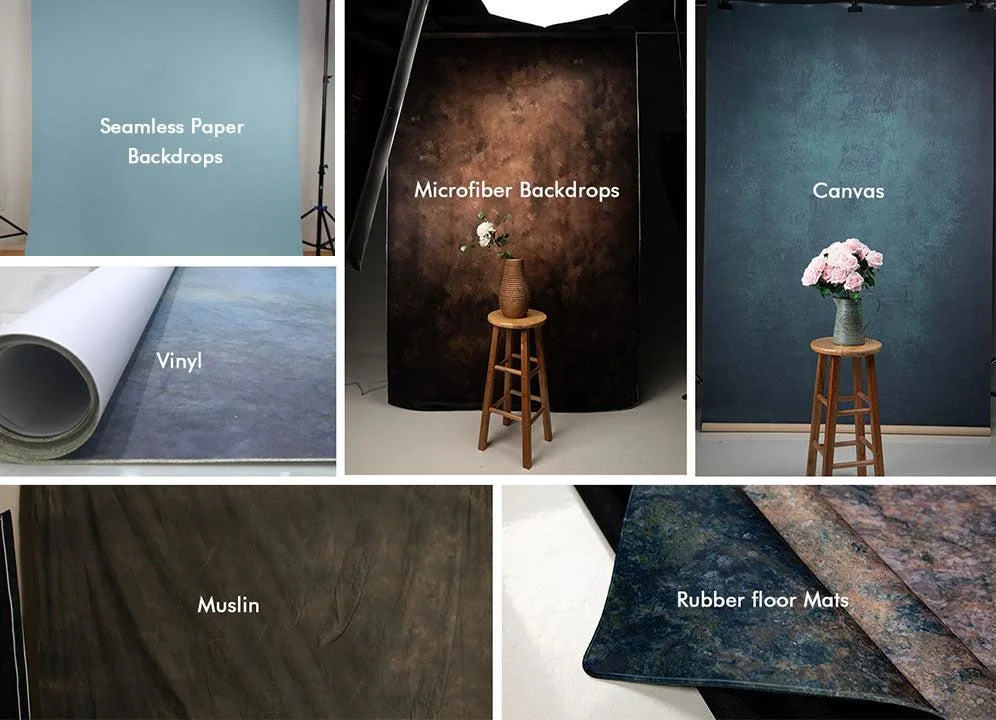
Selecting the structural base dictates transport logistics and on-site assembly times for the technical crew. Production units evaluate materials based on wrinkle resistance, weight, and light absorption capabilities before assigning them to specific event profiles.
| Backdrop Material | Professional Application | Lighting Considerations |
|---|---|---|
| Custom Printed Vinyl | Outdoor festivals and multi-day brand activations. | High glare risk. It requires heavily feathered off-axis strobes. |
| Matte Tension Fabric | Corporate galas and premium red carpet step-and-repeats. | Zero glare. It absorbs direct flash for even illumination. |
| Plywood/Acrylic Builds | Thematic set designs requiring 3D props and neon mounts. | Throws hard shadows. It necessitates multi-point studio lighting. |
Rigid media boards offer superior structural integrity for outdoor events experiencing wind sheer. Vinyl options demand careful rolling during transport on unpaved Kenyan routes.
This care prevents permanent creasing that flash photography would otherwise highlight. A dedicated photoshoot Nairobi specialist typically recommends tension fabric for most indoor hotel venues due to its transportability and speed of setup.
Technical Specifications for Photo Booth Lighting and Spatial Requirements
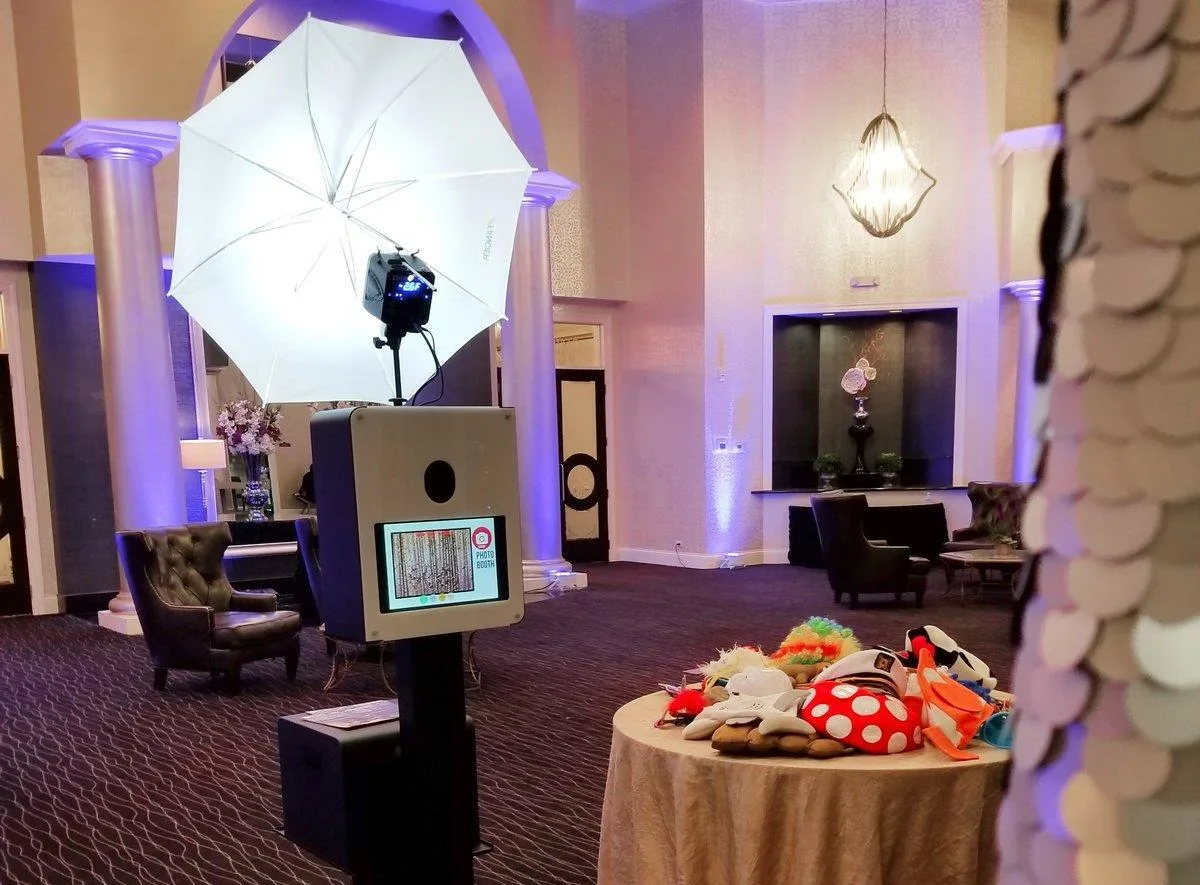
Venue dimensions dictate the maximum allowable footprint for backdrop trussing and lighting modifiers. Operating a standard 2.5 by 2.5-metre frame requires a minimum operating depth of 3 metres to position the camera pod and strobe umbrellas correctly.
Tight corners force compromised lighting angles. These compromises directly degrade image sharpness and lead to uneven exposure across the subject.
Event photographers utilise dual-strobe setups positioned at 45-degree angles to eliminate shadows across the backdrop surface. Proper subject-to-backdrop distancing prevents light spill. This distance ensures crisp edge definition on guest portraits.
Technicians tape down all cabling and secure light stands with sandbags to guarantee safety around the installation zone. This operational standard ensures that the videography Kenya crew and photography team can move freely without tripping hazards.
Design Principles for Maximising Corporate Brand Visibility
Step-and-repeat patterns require precise scaling to ensure the camera captures complete logos across various framing choices. Designers restrict primary sponsor logos to a maximum width of 25 centimetres to guarantee visibility in tight group shots.
Over-scaling causes logos to be cropped out by the guests standing in the foreground. Proper spacing allows the brand to remain visible even when groups of six or more people are in the frame.
Incorporating 3D acrylic cutouts elevates standard flat prints into premium set designs. Technicians mount these raised elements on heavy-duty backing to withstand accidental bumps from high-volume guest queues.
Event managers position dark logos on light backgrounds to maximise contrast. This strategy ensures legibility on mobile device screens after the photos are shared on social media platforms.
Operational Advantages of Using Anti Reflective Matte Tension Fabric
Tension fabric backdrops have replaced sequin curtains as the professional standard across Photoshoot Kenya operations. These Anti-Reflective Matte fabrics eliminate the harsh flash bounce that causes white spots in guest photos.
This ensures that skin tones and brand colours are perfectly rendered in every shot. The stretchable material pulls taut over custom aluminium tube frames.
The system removes wrinkles entirely without requiring on-site steaming. Delivering consistent, flat lighting results reduces post-production editing requirements and accelerates on-site printing speeds.
Production units execute rapid strikes and load-outs due to the lightweight nature of the aluminium and fabric system. This logistical efficiency reduces labour costs. It also allows technical teams to clear high-traffic venue spaces immediately after the event concludes.
Implementing Active LED Screen Technology for High Impact Visuals
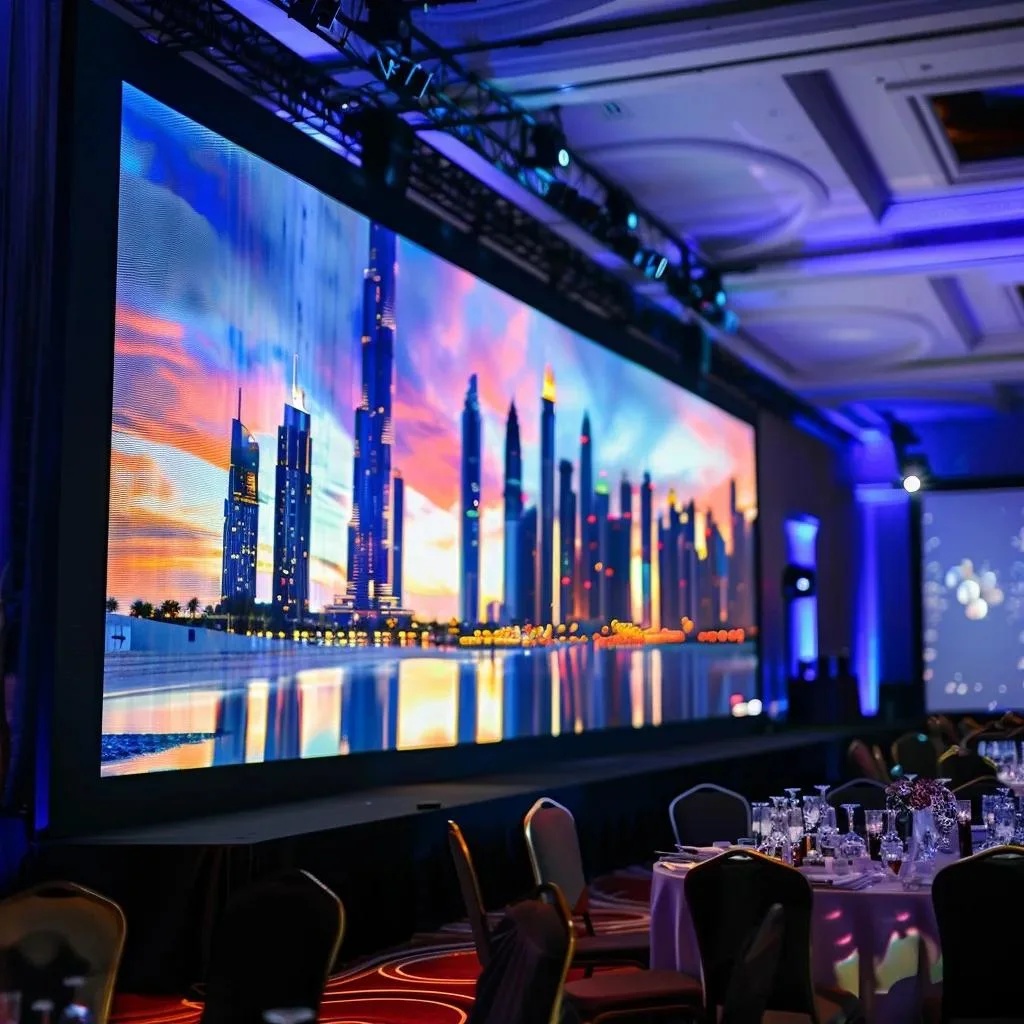
High-end technology summits and product launches utilise P2.5 LED screens to generate motion-based backgrounds. Video processors feed looping animations, sponsor commercials, or livestream events social media walls directly behind the guests.
This active visual element attracts higher foot traffic compared to static installations. The screen brightness provides a secondary light source that must be balanced with the primary strobes.
Lighting an LED backdrop requires technicians to balance the ambient screen brightness against the camera shutter speed.
Synchronising the camera shutter with the screen refresh rate prevents horizontal banding across the final image. This setup requires specialized knowledge of refresh cycles and power distribution.
- Power Logistics: Dedicated 13-amp circuits isolated from audio equipment prevent interference.
- Rigging Needs: Reinforced ground support systems stabilise heavy screen tiles against accidental movement.
- Control Systems: On-site vision mixers provide real-time content management for changing sponsor logos.
Project Management for Professional Backdrop Deployment
Event organisers contract company info specialists to manage the complete end-to-end deployment of photo booth infrastructure. Dedicated project managers assess venue loading docks, ceiling heights, and power distribution limitations before finalising backdrop specifications.
This preemptive scouting eliminates delays during the crucial event setup window. Clear communication with customer support ensures all technical requirements are met before the crew arrives on site.
Reserving equipment requires a signed service agreement detailing the exact backdrop dimensions and deployment schedules. Production teams mandate a 14-day lead time to fabricate custom-tensioned fabrics and verify print quality.
Clients can book photographer services and backdrop hardware simultaneously to ensure a cohesive visual output for their Nairobi event.