Essential Clauses for Photography Service Contracts Kenya
A professional photography service contract protects both the client and the media professional by defining the exact legal boundaries of a project.
Kenyan event organisers and corporate marketing teams require these documents to standardise expectations for multi-day activations and high-value productions across the country.

These legally binding agreements prevent disputes regarding deliverables, payments, and copyright usage in the local creative industry.
- Comprehensive Service Scope and Project Deliverables
- Detailed Payment Schedules and Refund Terms
- Usage Rights and Intellectual Property Ownership
- Contingency Plans and Liability Limitations
- Post-Production Workflows and Delivery Timelines
Photography Service Scope and Project Deliverables
Precise Dates and Project Locations

Event managers must detail exact reporting times and specific venue coordinates. Specifying locations like resorts in Diani or corporate headquarters in Nairobi dictates travel logistics and necessary site permits.
Accurate scheduling prevents overlap and ensures the media team arrives precisely when natural lighting is optimal for the shoot.
Personnel Requirements and Support Staff
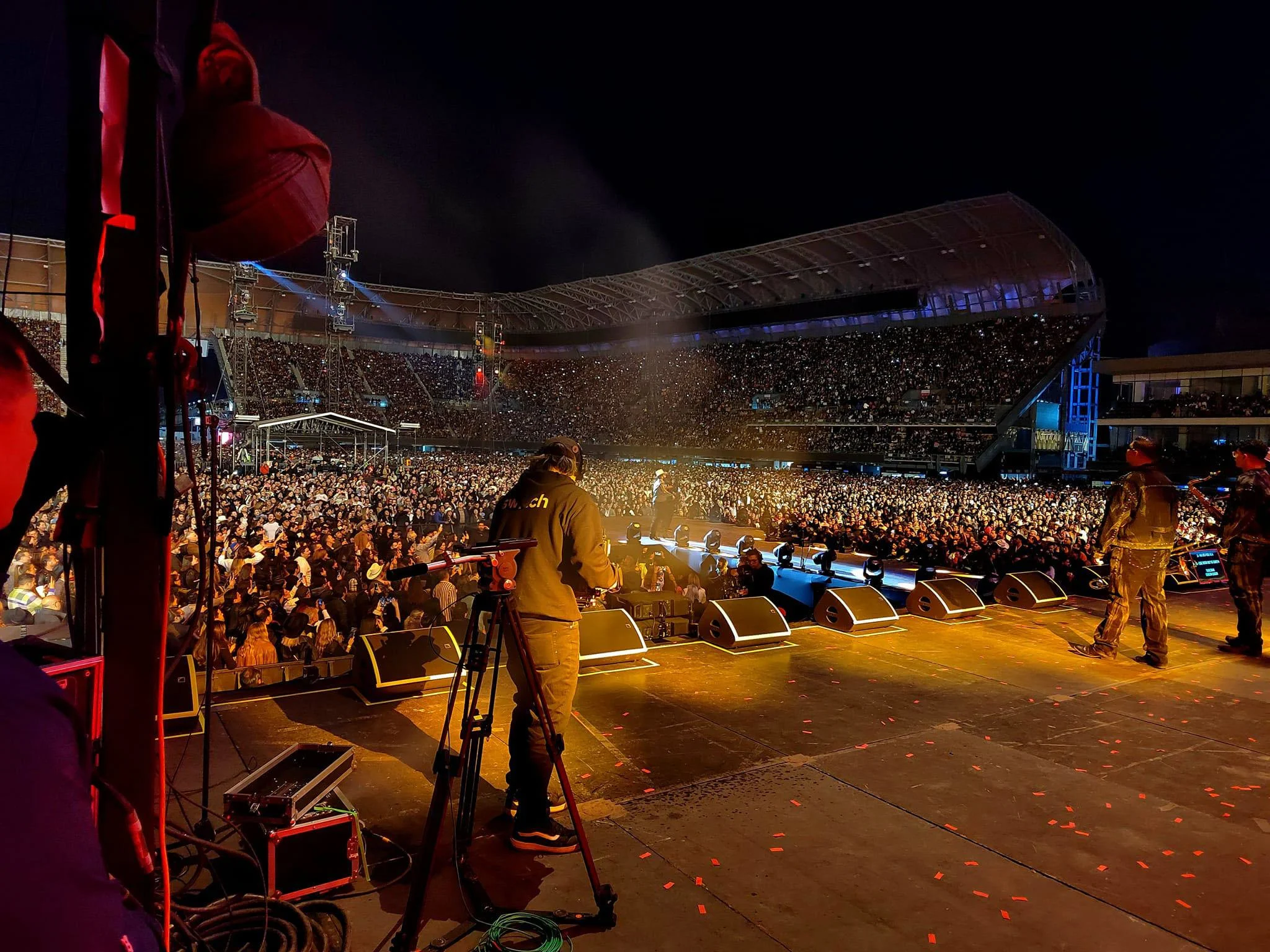
Complex events require clear personnel counts in the documentation. Hiring two primary shooters and one lighting assistant guarantees simultaneous coverage of the main stage and backstage VIP areas during a corporate summit.
This structural clarity aligns the production budget with the actual human resources deployed on site.
Mandatory Shot Lists and Operational Hours
Corporate directors utilise mandatory shot lists to secure essential brand moments. Defining start and end times prevents disputes over overtime billing if the gala dinner extends past the scheduled midnight finish.
The media team relies on these parameters to manage battery charging cycles and memory card allocations for the duration of the event.
Technical Specifications and Equipment Standards
Production agencies specify required camera bodies, lenses, and lighting rigs within the text. Mandating dual-slot mirrorless cameras and off-camera flash units ensures high-resolution capture in low-light indoor venues.
Integrating specific gear expectations into the document guarantees the technical quality meets the campaign standards for corporate photoshoot Kenya projects.
Financial Frameworks and Payment Schedules for Media Services

Initial Retainers and Milestone Payments
Securing professional dates requires a standard 30% to 50% initial retainer fee. Clients split the remaining balance into milestone payments tied to the shoot date and final gallery delivery.
This structured financial approach funds the photographer's pre-production preparation while protecting the final asset delivery for the client looking to book photographer services.
Penalty Clauses and Debt Collection Protocols
Financial departments require clear penalty structures for delayed invoices. Assigning a 5% monthly interest rate on overdue balances encourages prompt settlement post-event.
Establishing these financial consequences upfront streamlines the agency accounting workflow and maintains professional standards.
Cancellation Policies and Rescheduling Rights
Project managers rely on specific cancellation windows to manage venue or date changes. Retaining the non-refundable deposit compensates the photographer for turned-away bookings if the client postpones the event within 14 days of the shoot.
Clear rescheduling policies dictate exactly how many times a client can shift a date without incurring new booking fees.
Travel Expenses and Reimbursable Costs
The agreement must outline travel, accommodation, and per diem allocations for destination shoots. Itemising transport costs to rural locations prevents unexpected post-production invoicing after the project completion.
| Expense Category | Contract Stipulation | Billing Method |
|---|---|---|
| Inter-County Travel | Flight or standard mileage rate from Nairobi | Billed upfront via final invoice estimate |
| Accommodation | Minimum 3-star lodging for multi-day shoots | Direct booking by client or added to invoice |
| Location Permits | KWS or County Government shoot licenses | Client responsibility prior to shoot date |
Usage Rights and Intellectual Property Ownership Structures
Commercial Licensing and Personal Usage Permissions
The usage rights clause is a critical element within modern professional photography services Kenya agreements.
Clients must ensure the photography service contract specifies Non-Commercial Personal Use for weddings or Full Commercial Perpetual Rights for corporate branding.
This distinction prevents legal disputes over copyright when using images for paid advertising campaigns.
Copyright Standards and Portfolio Usage Rights
Media professionals retain underlying copyright ownership under standard intellectual property laws.
Agencies negotiate embargo periods to prevent the photographer from publishing the images on personal portfolios until the official brand campaign launches.
This clause balances the studio need for marketing material with the corporate client requirement for product confidentiality.
Third Party Access and Distribution Permissions
Vendors supplying venue decorations or catering cannot use the commissioned images without distinct licensing agreements.
The client must purchase expanded distribution rights if they intend to share the final gallery with partner brands or sponsors. Restricting third-party sharing protects the commercial value of the visual assets.
Privacy Releases and Property Access Agreements
Commercial shoots mandate signed model and property releases to clear the content for billboard and digital marketing. Securing formal permission from private venue owners shields the brand from subsequent privacy claims.
The production team must attach these signed releases as addendums to the primary documentation for real estate photography Kenya assignments.
Contingency Planning and Liability Protections
Force Majeure Events and External Risks
Heavy rains during outdoor coastal weddings or national strikes represent standard force majeure triggers.
This clause releases both parties from liability when extreme and uncontrollable events force project cancellations. Outlining these scenarios provides legal cover when logistics fail completely.
Equipment Failures and Emergency Staffing Backups
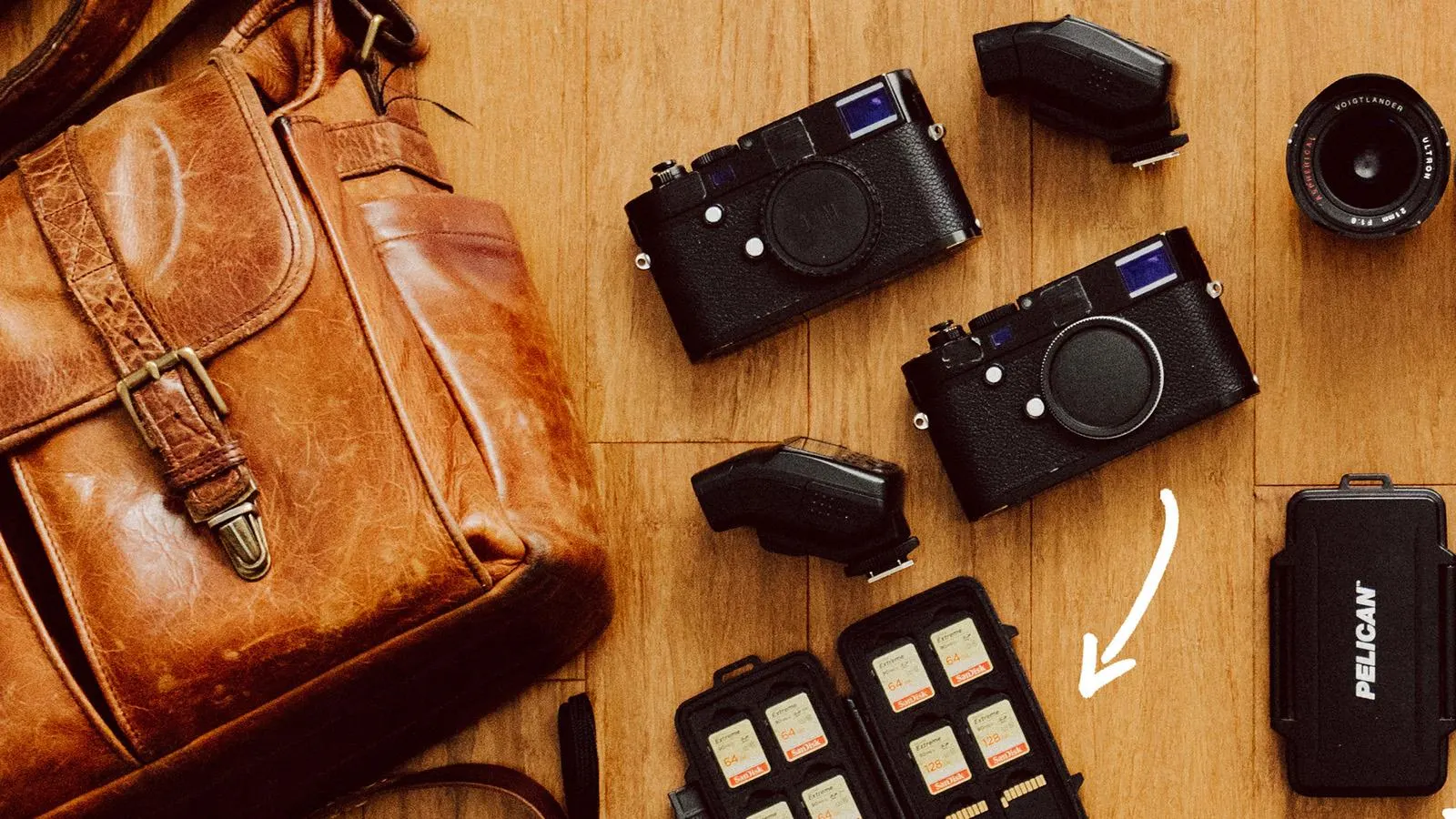
Lead photographers commit to providing equivalent replacement personnel if sudden illness prevents their attendance.
Mandating on-site backup camera bodies and redundant hard drives mitigates the risk of data loss due to hardware failure.
Professional studios build these technical redundancies into their standard operating procedures for wedding photography Nairobi.
Client Delays and Project Timeline Variations
Production schedules fail when clients arrive late or alter the programme without notice. Stating that the photographer assumes no responsibility for missed shots due to client delays protects the vendor reputation.
Clear boundary setting forces event planners to respect the allocated media timeline.
Financial Liability Caps and Indemnity Terms
The total financial liability of the photography agency caps at the total value of the booking fee. This limitation protects the studio from massive damage claims if storage media corrupts before final delivery.
Corporate clients accept this capped risk by engaging in standard commercial media contracts.
Post Production Workflows and Final Asset Delivery

Creative Editing Standards and Revision Limits
Art directors attach mood boards to the document to dictate the exact colour grading requirements.
Defining two standard revision rounds forces clients to consolidate their feedback regarding exposure adjustments and blemish removals.
Setting rigid post-production parameters prevents endless editing loops and delayed final sign-offs.
Image Proofing and Selection Protocols
Studios issue watermarked low-resolution galleries within 48 hours for client selection. Event organisers choose their allocated number of images from this proofing link before the editing team begins intensive retouching.
This phased workflow ensures retouchers only spend hours processing the exact shots the marketing team intends to use.
Asset Delivery Windows and Hosting Durations
Corporate communication teams require exact turnaround times for press releases. Contracts specify a 72-hour delivery window for highlights and a 14-day deadline for the full high-resolution gallery.
Pinpointing these dates removes ambiguity regarding media availability for videography Kenya projects.
Technical Formats and Data Archiving Procedures
Print magazines demand TIFF or high-resolution JPEG formats exported at 300 DPI. Agencies specify a 90-day cloud hosting period and transfer the long-term archiving responsibility entirely to the client after the gallery expires.
| Deliverable Type | File Format and Specs | Primary Use Case |
|---|---|---|
| Web Highlights | JPEG / 72 DPI / sRGB | Social media, websites, newsletters |
| Print Assets | JPEG or TIFF / 300 DPI | Billboards, magazines, brochures |
| Raw Files | CR3, NEF, or ARW | Rarely delivered without IP buyout |
Legal Jurisdiction and Kenyan Dispute Resolution Standards
Kenyan Statutory Compliance and Governing Laws
Legal teams draft these agreements under the jurisdiction of the Laws of Kenya. Specifying the exact local legal framework ensures contracts remain enforceable in domestic courts.
Both parties acknowledge that any legal action must occur within Kenyan borders.
Alternative Dispute Resolution and Local Arbitration
Resolving disagreements through the Chartered Institute of Arbitrators (Kenya Branch) prevents costly public court battles.
Mandatory mediation clauses force both parties to negotiate settlements privately before initiating formal litigation. This approach saves both corporate entities and creative agencies significant legal fees.
Data Protection Compliance and Confidentiality Agreements
The Kenyan Data Protection Act dictates how studios handle client names, event locations, and personal images. Non-disclosure agreements prevent the media team from leaking unreleased product designs captured during factory tours.
Strict data handling protocols ensure private commercial assets never reach public servers without authorisation.
Consumer Protection and Transparency Standards
Consumer protection regulations require transparent pricing and accurate service descriptions. Explicitly outlining exactly what the client receives prevents claims of false advertising or deceptive trade practices.
Thorough documentation proves the agency delivered the exact value promised during the initial consultation.
Vertical Video Integration and AI Editing Policies for 2026
Social media managers now require 9:16 vertical video deliverables integrated alongside standard photographic coverage. Contracts in 2026 explicitly authorise the use of AI culling software and generative fill tools for background expansion.
Standardising these emerging technologies within the agreement prevents misunderstandings regarding digital manipulation, asset authenticity, and expanded technical requirements.
Consulting Photoshoot Kenya for Standardised Media Agreements
Event planners contact Photoshoot Kenya to source vetted media professionals operating with standard and legally compliant agreements.
Our booking specialists ensure every scheduled studio and freelance team provides documentation covering usage rights, strict deliverables, and robust backup protocols.
Securing your production through our platform guarantees technical execution and absolute logistical transparency from the initial deposit to final gallery delivery.