Social Impact Documentary Filmmaking Kenya | NGO Guide
Documentary filmmaking for social impact projects and NGO stories provides a technical framework for Kenyan organisations to convert field activities into verifiable advocacy assets for international donors.
Regional directors and communication teams in Nairobi use high-fidelity, reality-based video evidence to demonstrate transparent funding utilisation and secure future grants through realistic storytelling.
These videography Kenya solutions enable teams to translate complex field operations into compelling visual reports that resonate with global stakeholders.
Strategic Pre-Production Workflows for Kenyan NGO Documentaries
Project managers initiate pre-production by aligning the technical shot list with the organisation’s primary grant objectives. Defining the target audience dictates the specific visual tone. This process requires a calculated choice between raw verité styles or structured interview formats.
Field producers define these parameters early to ensure the camera crew captures the exact footage required by the editing department. Professional corporate photoshoot Kenya standards apply even in the field to maintain a high level of brand consistency for the NGO.
Logistical planning guarantees the production proceeds without legal or operational delays. Production coordinators secure necessary filming permits from the Kenya Film Classification Board (KFCB) and local county governments weeks before deploying camera crews to the field.
Establishing these administrative clearances protects the NGO from non-compliance fines. These steps also prevent equipment confiscation at regional checkpoints during a photoshoot Nairobi or rural assignment.
Ethical Field Production and Low Impact Filming Techniques in Kenya
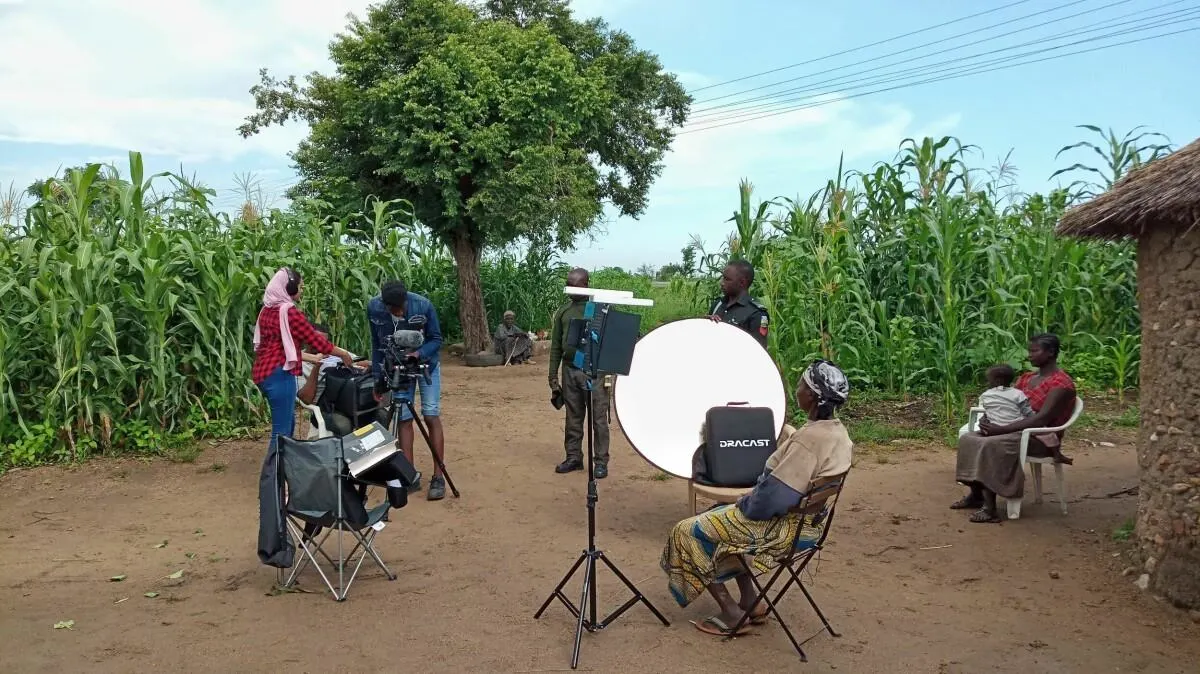
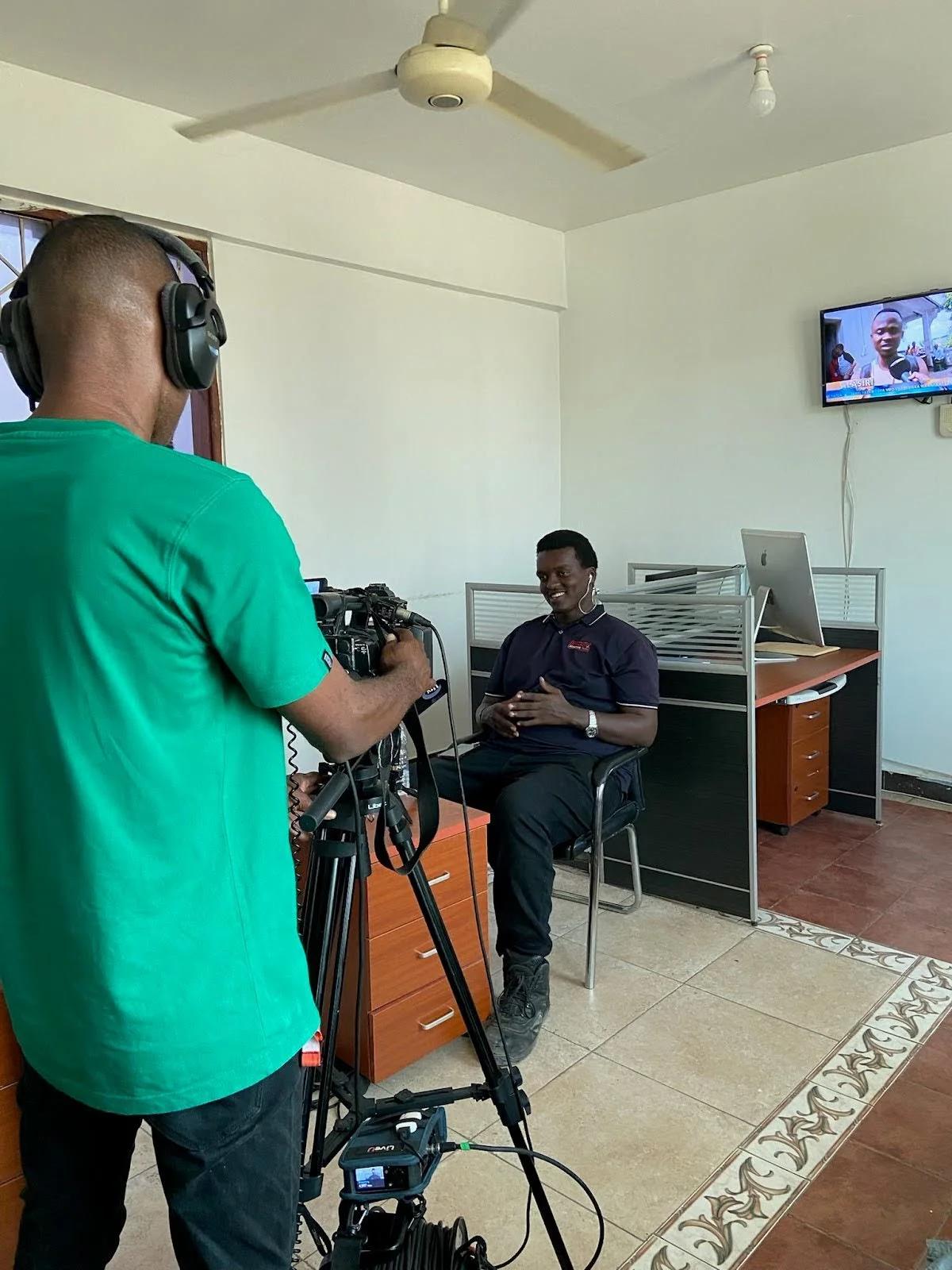
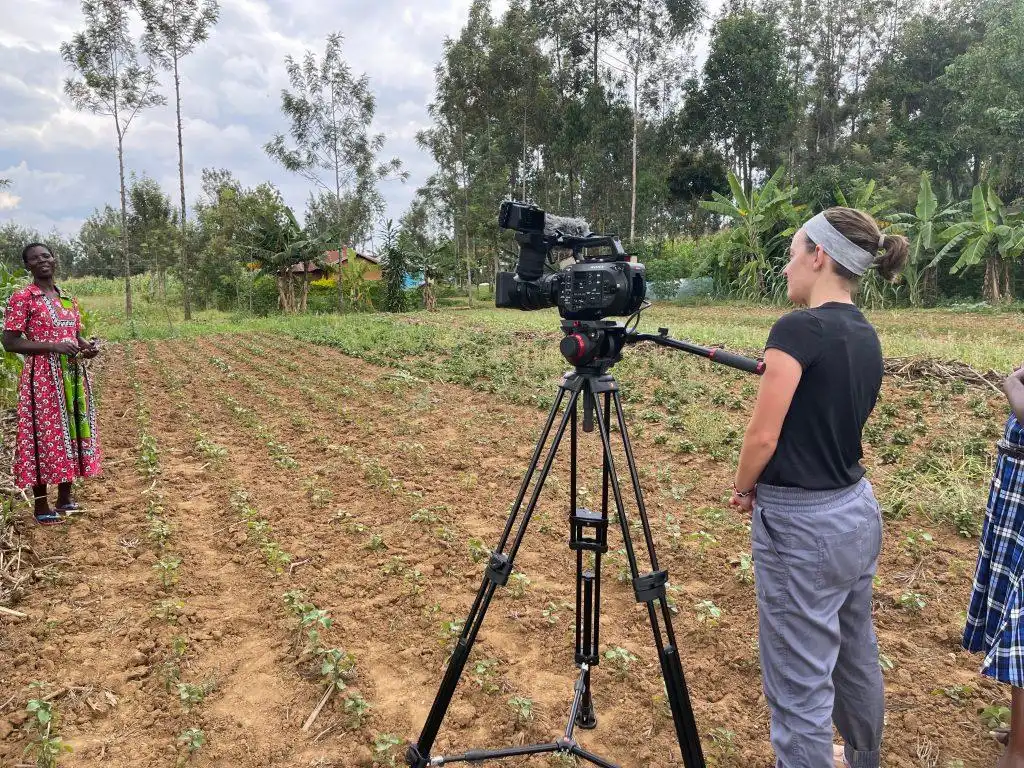
Filming vulnerable populations demands technical workflows that prioritise subject comfort over traditional studio production techniques. Successful NGO documentaries use natural light cinematography to minimise disruption in remote villages.
Large artificial lights can intimidate subjects in rural areas. Using fast prime lenses with apertures like f/1.2 or f/1.8 allows the crew to shoot in low-light indoor settings while maintaining a discreet presence.
Cinematographers operating Sony FX6 or Canon C70 cameras map their exposure settings to capture authentic environments without manipulating the physical space. Sound recordists utilise concealed lavalier microphones to capture clean dialogue without using intimidating boom poles.
Operating with a minimal footprint builds trust with the local community. This approach results in candid and authentic visual documentation that meets international photography services standards.
Post Production Narrative Structure and Technical Mastering for Global Advocacy
Post-production facilities transition raw field data into structured advocacy assets through precise non-linear editing workflows. Editors sequence B-roll footage against primary interview dialogue to establish geographic context and validate the project scale.
Structuring the timeline around a clear problem and resolution arc ensures the final video drives the viewer toward a specific call to action. Teams can booking photoshoot Kenya services to include specialized editors who understand the NGO sector requirements.
Audio mastering and colour correction elevate the technical quality of the raw footage to international broadcast standards. Sound design engineers apply noise reduction algorithms to outdoor interviews to ensure wind interference from arid regions does not compromise vocal clarity.
Colourists implement specific grading profiles that maintain accurate skin tones. This standardises the visual output across shifting outdoor lighting environments found in diverse Kenyan landscapes.
Community Engagement Protocols and Consent Management for Kenyan Documentaries
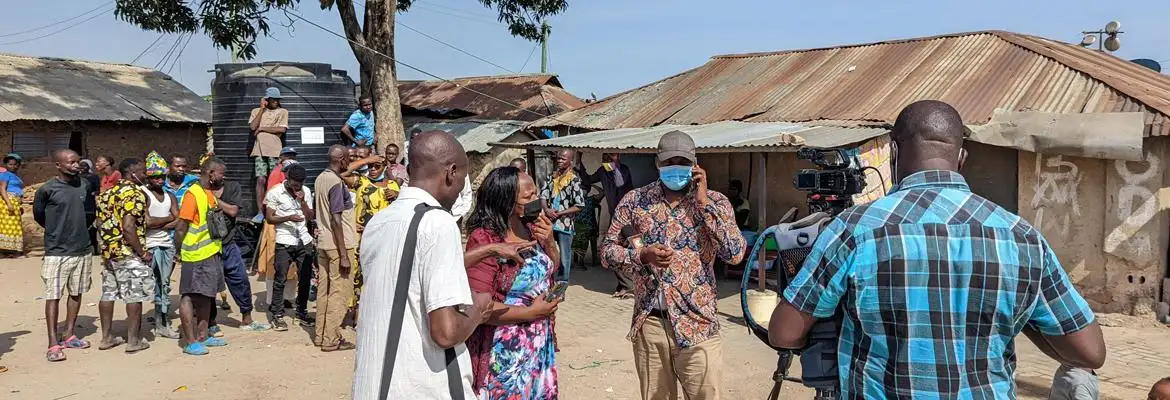
Production agencies require documented consent from all featured subjects prior to initiating rolling cameras. Translators and community fixers facilitate these consent protocols by explaining the distribution channels and the purpose of the footage in regional dialects.
Securing these permissions protects the NGO from future liability. It ensures the subjects retain agency over their visual representation in the final shoot video Nairobi project.
Safeguarding policies dictate stricter visual protocols when documenting minors or highly sensitive medical interventions. Camera operators deploy specific framing techniques such as wide-angle environmental shots or silhouette lighting to obscure identifiable facial features when anonymity is mandated.
Field directors coordinate directly with local community leaders to respect cultural boundaries regarding photography and physical proximity. This level of detail is often discussed in a photography blog Kenya to educate upcoming filmmakers on ethical standards.
Data Driven Distribution and Impact Reporting for Social Documentaries
Campaign managers rely on structured distribution strategies to maximise the viewership of the final visual asset. Deploying the master documentary across targeted programmatic advertising networks allows NGOs to reach specific donor demographics in European or North American markets.
Uploading compressed versions to direct email marketing channels ensures existing stakeholders receive immediate updates regarding field progress. Detailed insights on audience engagement are essential for justifying media budgets.
Analytics teams track viewer retention rates and click-through conversions to generate comprehensive impact reports. Extracting these data points provides executive boards with quantifiable metrics regarding the return on investment for the documentary.
Communication officers utilise these reports to refine future media strategies and justify continuous investment in professional video production. To begin a new project, organisations can reach us for a detailed technical consultation.
Social Media Integration Using Vertical Video Formats for Kenyan NGOs
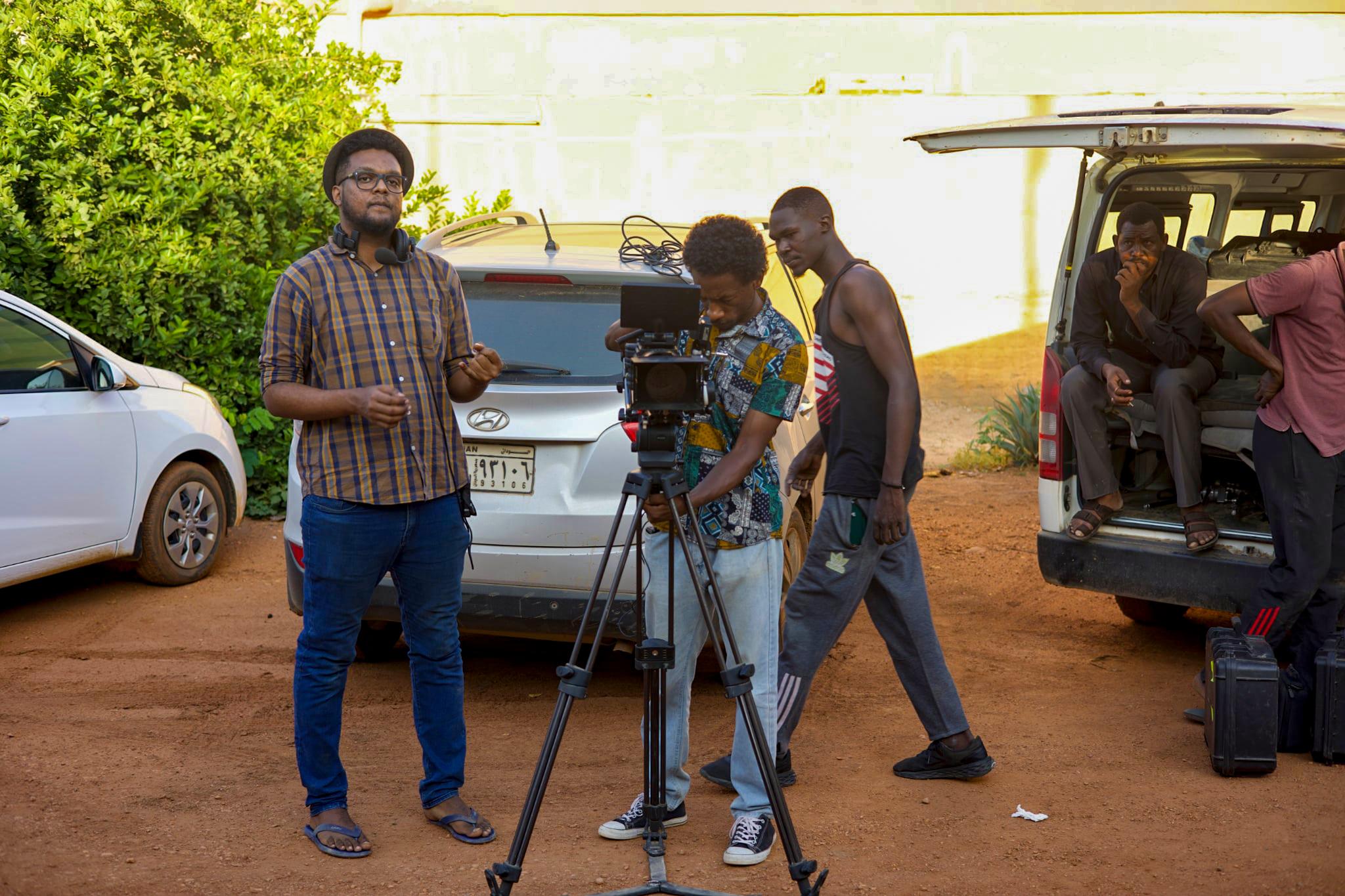
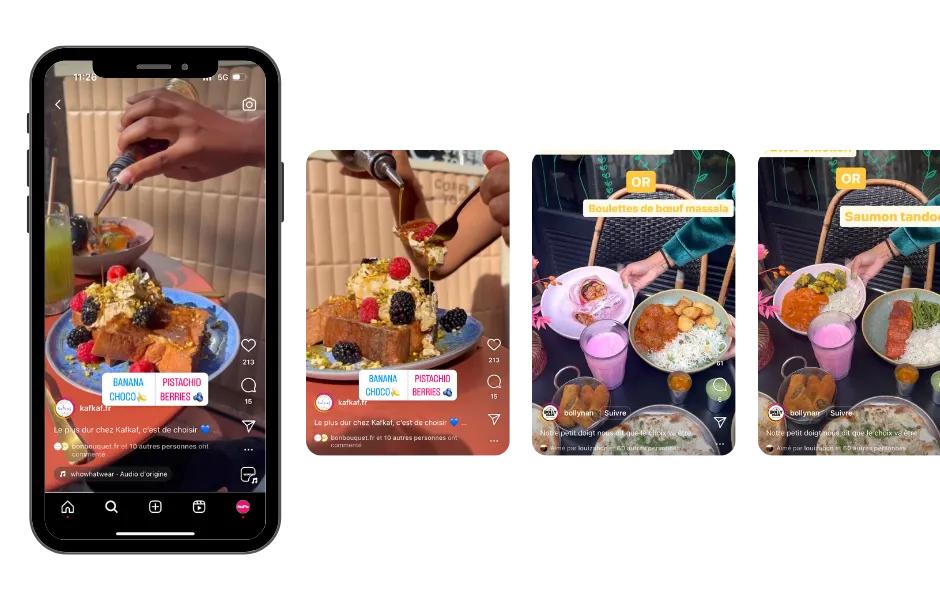
Modern advocacy campaigns demand supplementary short-form content extracted from the primary documentary timeline. Video editors reframe standard 16:9 4K footage into 9:16 vertical ratios optimised for algorithmic distribution on platforms like TikTok and Instagram Reels.
Delivering these dynamic cut-downs provides communication teams with a month of scheduled content from a single field shoot. This multi-format approach ensures the NGO stays relevant in a mobile-first digital environment.
Technical formatting adjustments maximise engagement on mobile applications. Editors embed hardcoded and stylised subtitles directly into the vertical videos to ensure message retention for users viewing the content on mute.
Scheduling these micro-assets around major fundraising events sustains audience engagement. It also drives continuous traffic back to the long-form documentary hosted on the NGO website.
Standard Deliverables and Project Timelines for Documentary Production
Structuring deliverables around strict production timelines allows communications teams to coordinate their press releases efficiently. Professional agencies supply specific asset packages based on the initial project scope and contracted editing hours.
Establishing clear deadlines prevents project bloat and guarantees the NGO receives their campaign assets prior to major funding cycles. This reliability is why many organisations choose a dedicated professional photographer Kenya for their visual needs.
| Production Phase | Standard Timeline | Final Deliverable |
|---|---|---|
| Pre-Production | 2-3 Weeks | Approved treatment, shot list, and KFCB permits |
| Principal Photography | 3-7 Days | Securely backed-up RAW field footage drives |
| Post-Production | 4-6 Weeks | 10-minute master documentary and 3 vertical cut-downs |
Professional Media Partnerships for Long Term Social Impact Documentation
Photoshoot Kenya allocates specialised technical crews based on the logistical demands of your specific intervention zones. Assigning drone operators, local field fixers, and senior directors of photography guarantees consistent production quality across multiple regional deployments.
Booking managers provide transparent cost structures that account for cross-county travel, equipment insurance, and specialised cinema gear rentals. This ensures that every videography Kenya project stays within budget.
Project consultants evaluate your grant requirements to construct a custom production package that aligns with your budgetary constraints. Procuring these dedicated media services secures a reliable supply chain for long-term social impact storytelling.
Account managers handle all crew logistics, allowing NGO directors to remain focused on executing their primary field operations. You can book photographer and videographer teams today to begin documenting your organisation's impact.