Traditional vs Cinematic Wedding Videography Styles Kenya
Wedding videography styles determine the crew size, technical equipment needs, and total production costs for couples and event planners across the country. Understanding these distinctions allows clients to align their creative vision with the specific technical capabilities of local production teams to ensure high-quality results.
| Feature Comparison | Traditional Videography | Cinematic Videography |
|---|---|---|
| Shooting Approach | Continuous, chronological event recording | Directed, narrative-driven multi-angle shooting |
| Equipment Loadout | Tripods, standard zoom lenses, on-camera audio | Gimbals, prime lenses, dedicated lavalier mics |
| Editing Style | Long-form linear timeline (1 to 3 hours) | Short-form highlights and colour-graded featurettes |
| Primary Goal | Complete archival record of the day | Emotional storytelling and artistic visual impact |
Defining Traditional and Cinematic Production Approaches in Kenya
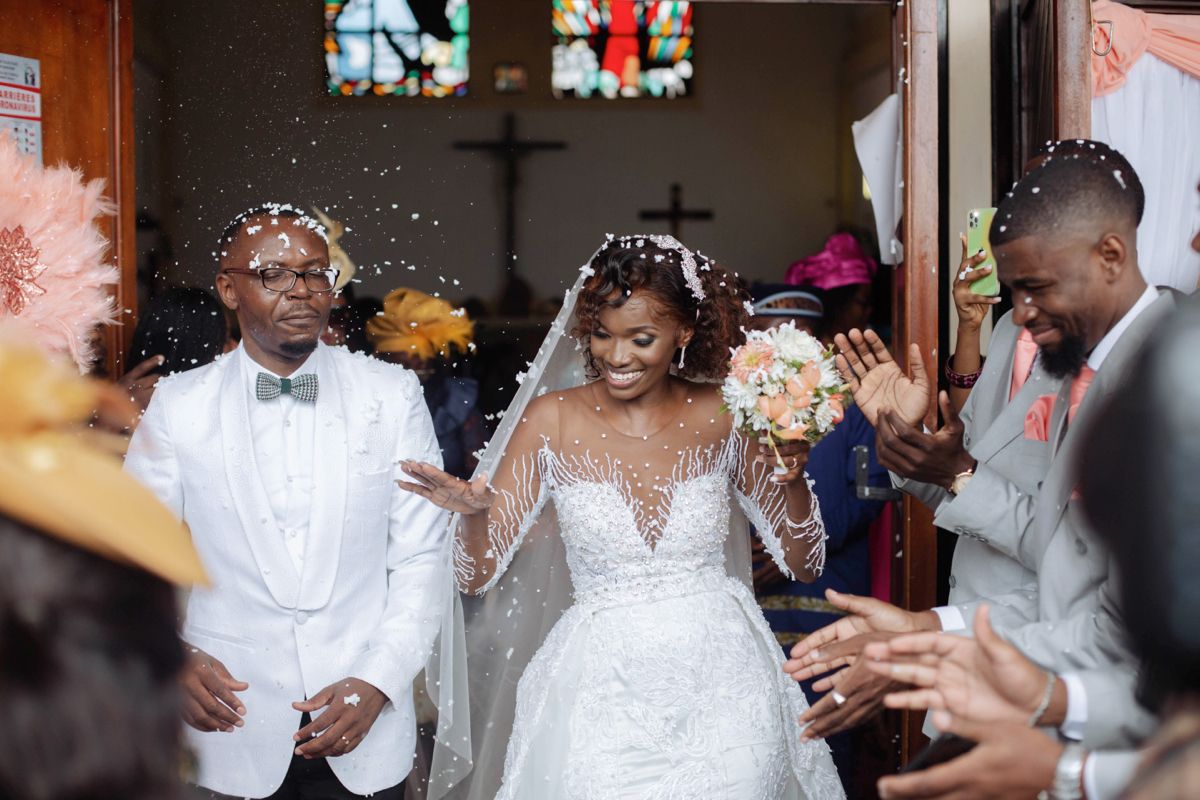
Traditional wedding videography functions as an archival service that captures the event sequence from start to finish. Camera operators usually maintain static positions to record full segments such as church sermons, choir performances, or lengthy reception speeches without interruption. This method provides a comprehensive record of the day for families who value historical accuracy and complete documentation of all guests and activities.
Cinematic wedding videography utilizes professional filmmaking techniques to construct a stylized narrative of the celebration. Production teams employ advanced framing, controlled camera movements, and selective focus to highlight specific emotional moments.
Directors frequently rearrange the chronological timeline during the editing process. They might layer audio from the exchange of vows over footage of the morning preparations to create a cohesive and engaging story. Clients seeking videography Kenya services often choose this style for its high production value and artistic flair.
Creative Philosophies and Narrative Structures for Event Films
Traditional crews maintain an observational philosophy throughout the shoot. Videographers stay in the background and document interactions as they occur naturally without prompting the subjects.
This hands-off approach results in an authentic representation of the event progression. It is particularly effective for large cultural ceremonies where the flow of events follows a strict protocol that should not be interrupted by media crews.
Cinematic directors take a more active role in orchestrating specific scenes to ensure the visuals meet high standards. Operators provide instructions to the couple on positioning, direct the bridal party during the photo session, and set up precise lighting scenarios.
This deliberate management of the environment ensures the final film resembles a polished commercial production. Couples can book wedding photography Nairobi teams that specialize in this directed approach to achieve a consistent aesthetic across both photo and video deliverables.
Technical Equipment Kits and Crew Requirements for Professional Video
.jpg)
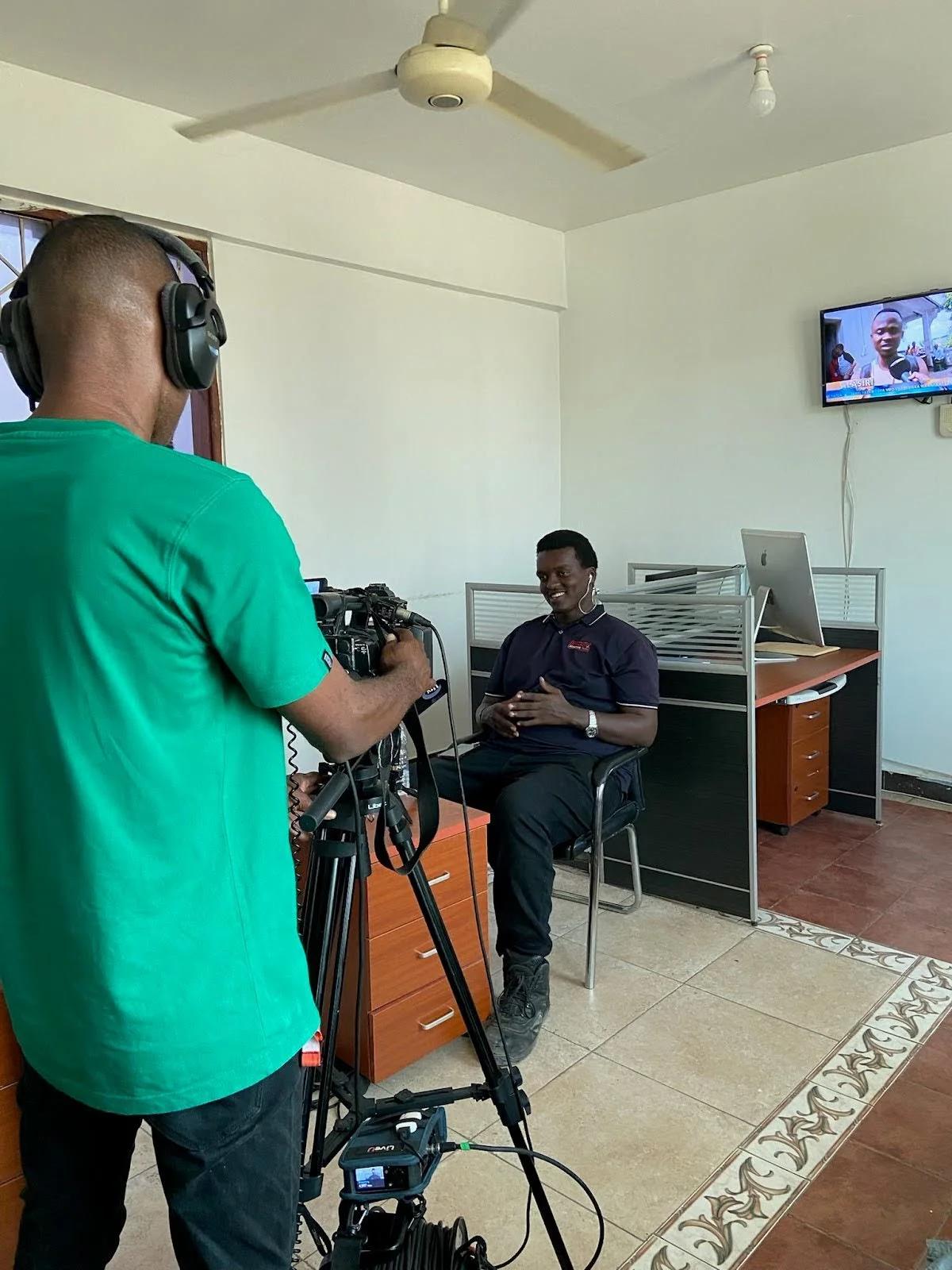
Execution requirements vary significantly depending on the chosen production tier. Traditional setups generally involve one or two operators using standard camcorders or mirrorless cameras on stationary tripods. Continuous lighting panels provide the necessary illumination for dark reception halls or evening ceremonies without the need for complex rigging or multiple assistants.
Cinematic teams utilize extensive equipment loadouts to achieve a high-end visual style. Standard configurations for these shoots include:
- DJI Ronin gimbals for fluid tracking shots as the couple moves through the venue.
- Fast prime lenses with wide apertures to separate subjects from the background.
- Dedicated field recorders and wireless lavalier microphones for broadcast-quality audio.
- Motorised sliders for controlled movement during detail shots of the rings, flowers, and decor.
Post Production Editing Workflows and Social Media Integration
Traditional post production involves linear editing, basic colour correction, and balancing ambient audio tracks. The editor joins multiple camera angles to create a continuous viewing experience that follows the actual timing of the wedding. Turnaround times for these videos are often shorter because the raw files require less manipulation before the final delivery.
Cinematic editing requires intensive colour grading using custom Look-Up Tables to achieve a specific mood. Editors also perform complex sound design to match the visual pacing with licensed music tracks.
Current trends in the Nairobi market show that cinematic packages now include a dedicated 9:16 vertical edit. This format requires a specific B-roll operator to capture content specifically for TikTok and Instagram Reels to ensure the storytelling remains effective on mobile screens.
Investment Costs and Value Propositions for Different Video Styles
Traditional packages offer a lower financial entry point because they require smaller crew sizes and simplified editing processes. Event organisers working within strict budget limits find this model advantageous for securing reliable coverage.
The lower cost allows for the allocation of funds to other areas of the wedding while still ensuring a professional video record is maintained.
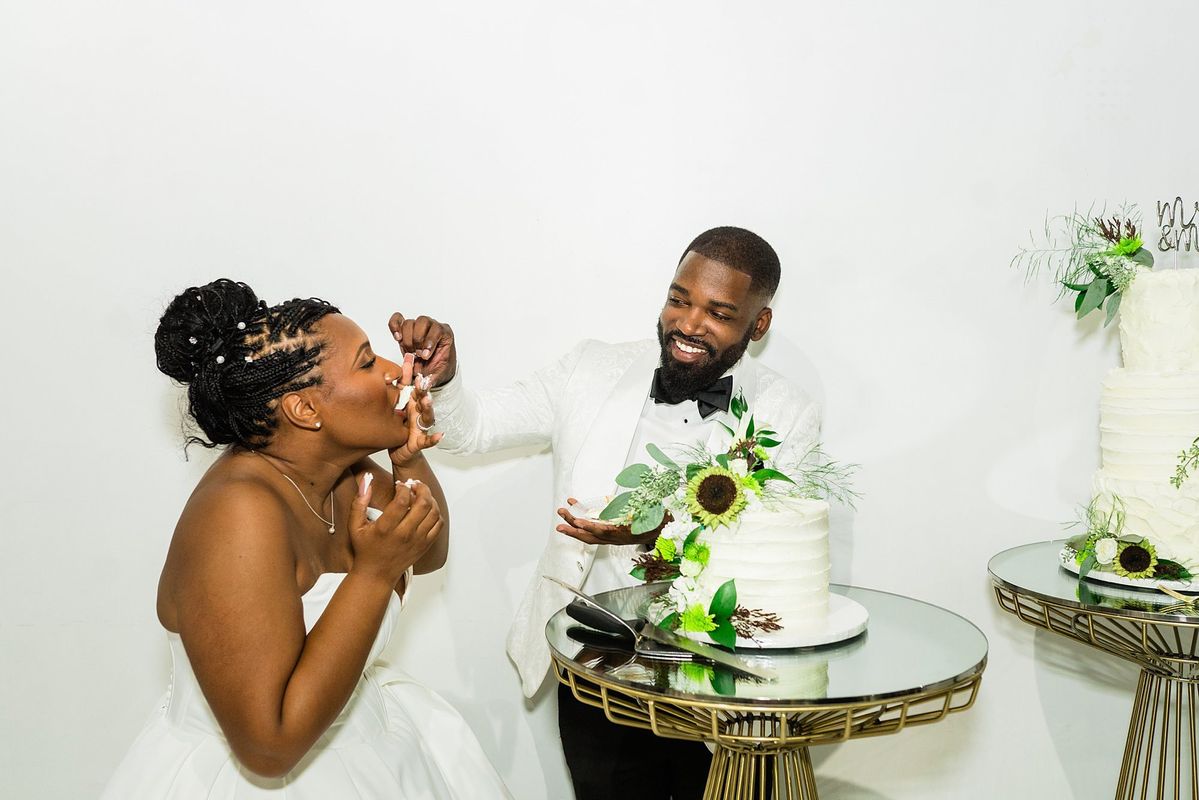
Cinematic services require a higher financial investment to account for equipment depreciation, larger multi-person crews, and extensive labour hours in post production. The editing phase alone can take up to forty hours of work to perfect the colour, sound, and narrative flow.
Clients pay a premium for the specialized technical expertise and the elevated visual quality of the final films. You can find detailed photography services and video pricing by reviewing local studio portfolios.
Regulatory Compliance and KCAA Drone Permits for Aerial Cinematography
.jpg)
Aerial video adds significant production value by establishing the scale of the venue and the surrounding geography. This is especially popular for destination weddings in locations like photoshoot Diani or the Nanyuki countryside.
Using drones allows for grand opening shots that give the final film a cinematic edge. However, commercial drone flights in Kenya must follow strict regulations.
Production companies must obtain permits from the Kenya Civil Aviation Authority before the wedding date. Certified pilots manage the airspace requirements and ensure the flight adheres to privacy laws and safety standards.
Venue managers in major hotels often check for these KCAA licenses before they allow any aerial equipment to be deployed on their premises.
Standard Deliverables for Traditional and Cinematic Video Packages
Service contracts define the specific file formats and durations of the videos provided to the client. Clear definitions prevent confusion regarding the final product expectations.
A standard traditional package typically includes a documentary-style cut ranging from 90 minutes to 3 hours, often delivered on a physical USB drive or through a cloud link.
Cinematic packages provide a series of shorter, highly produced files. Common deliverables include:
- A 60-second social media teaser delivered within a few days of the event.
- A 3 to 5-minute highlight reel featuring the best moments of the day.
- A 20-minute featurette that blends narrative audio with extended event highlights.
- Separate files for the full speeches and the complete wedding vows.
Contractual Terms for Kenyan Videography Service Agreements
Formal agreements protect the interests of both the videographer and the client. These contracts specify the technical gear guaranteed for the day, the number of backup cameras available on-site, and the replacement plan if a crew member becomes ill.
The document also outlines the ownership rights for the raw footage and how the studio may use the content for its own marketing. Delivery schedules and the number of allowed revisions must be clearly stated in the contract. Cinematic edits typically take four to eight weeks to complete depending on the time of year.
Setting a limit on revisions prevents the post production process from stretching out indefinitely and ensures the final files are handed over according to the agreed timeline.
Pre Wedding Consultations and Event Timeline Management
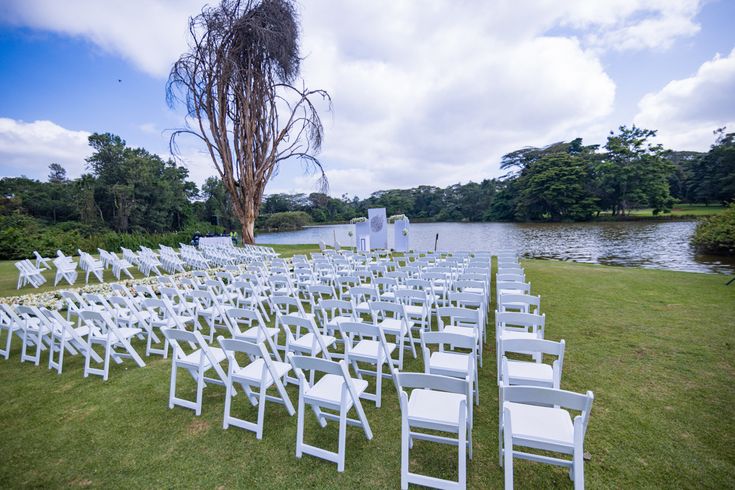
Pre-shoot meetings help the production team align their technical needs with the event itinerary. Videographers identify the most important program milestones to ensure cameras are in the right position before the action begins. This coordination ensures that the team captures the entrance, the first kiss, and the cake cutting from the best possible angles without any logistical delays.
Site visits allow the director of photography to check the lighting conditions at the venue. Spotting areas with heavy shadows or difficult mixed lighting allows the crew to bring the correct supplemental lights or reflectors.
Careful planning reduces the risk of technical issues during the actual recording of the ceremony. Planning these details is a core part of the about Photoshoot Kenya professional standards.
Choosing the Production Tier that Fits Your Event Goals
The choice between video styles depends on the scale of the event, the venue type, and how the couple intends to watch the footage later. Large luxury weddings with elaborate decor and many guests are well-suited for cinematic crews who can highlight the production value. Multi-camera setups are ideal for capturing the fine details that planners spend months organizing.
Small family gatherings or traditional ceremonies with many protocols often work better with a documentary style. Clients who want a complete historical record rather than a stylized movie find the most value in traditional services.
Planners should discuss these viewing preferences with the couple before hiring a vendor to ensure the style matches their expectations. Information on the latest trends is often available on a photography blog Kenya to help make an informed decision.
Booking Professional Video Crews through Photoshoot Kenya
Finding reliable media professionals involves checking their technical skills and looking at their history of successful deliveries. The Photoshoot Kenya platform simplifies this search by allowing clients to compare service packages, equipment lists, and verified portfolios from various local studios. This process ensures the chosen crew has the right tools and experience for the specific job requirements.
The platform handles the contracting stage through secure management and performance agreements. Clients can monitor the progress of their project from the first meeting to the final digital delivery. Using a centralized system for booking photoshoot Kenya services removes uncertainty and ensures professional standards are maintained on the wedding day.