Videography Equipment Checklist for Hiring Pro Teams in Kenya
A comprehensive videography equipment checklist provides event organisers with the technical criteria needed to verify the reliability of production teams in Nairobi.
Kenyan marketing managers require these standards to prevent data loss and ensure visual consistency during high-stakes corporate summits or multi-day destination shoots.
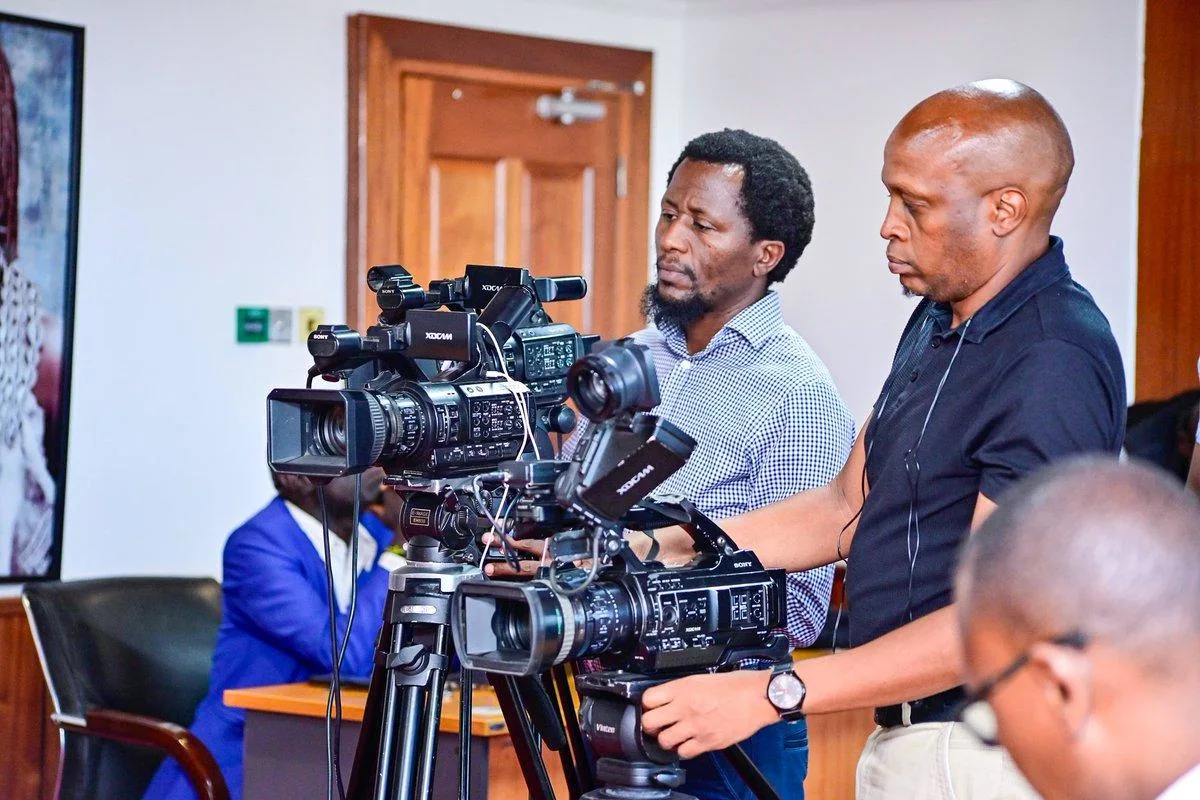
Verified videography Kenya teams bring redundancy to every project to maintain professional standards.
| Service Tier | Equipment Level | Typical Deliverables |
|---|---|---|
| Corporate Event | 2 Cinema Cameras, 32-bit Audio, Dual Cards | 1080p Highlight Reel, 24-hour Turnaround |
| Commercial Production | 4K Raw Cinema Rigs, High-CRI Lighting, RAID Storage | Colour-graded Brand Film, Raw Footage Backup |
| Agile Marketing | High-end Mirrorless, Gimbal, Cloud-upload Rig | 9:16 Social Media Clips, Real-time Delivery |
- Primary camera and lens specifications for 4K delivery
- Redundant audio recording protocols and hardware
- Stability and lighting solutions for indoor environments
- Fail-safe power backups for continuous recording
- Data management and secure footage storage strategies
- Turnaround workflows for social media deliverables
Evaluating Camera Architecture and Lens Selection for Visual Precision
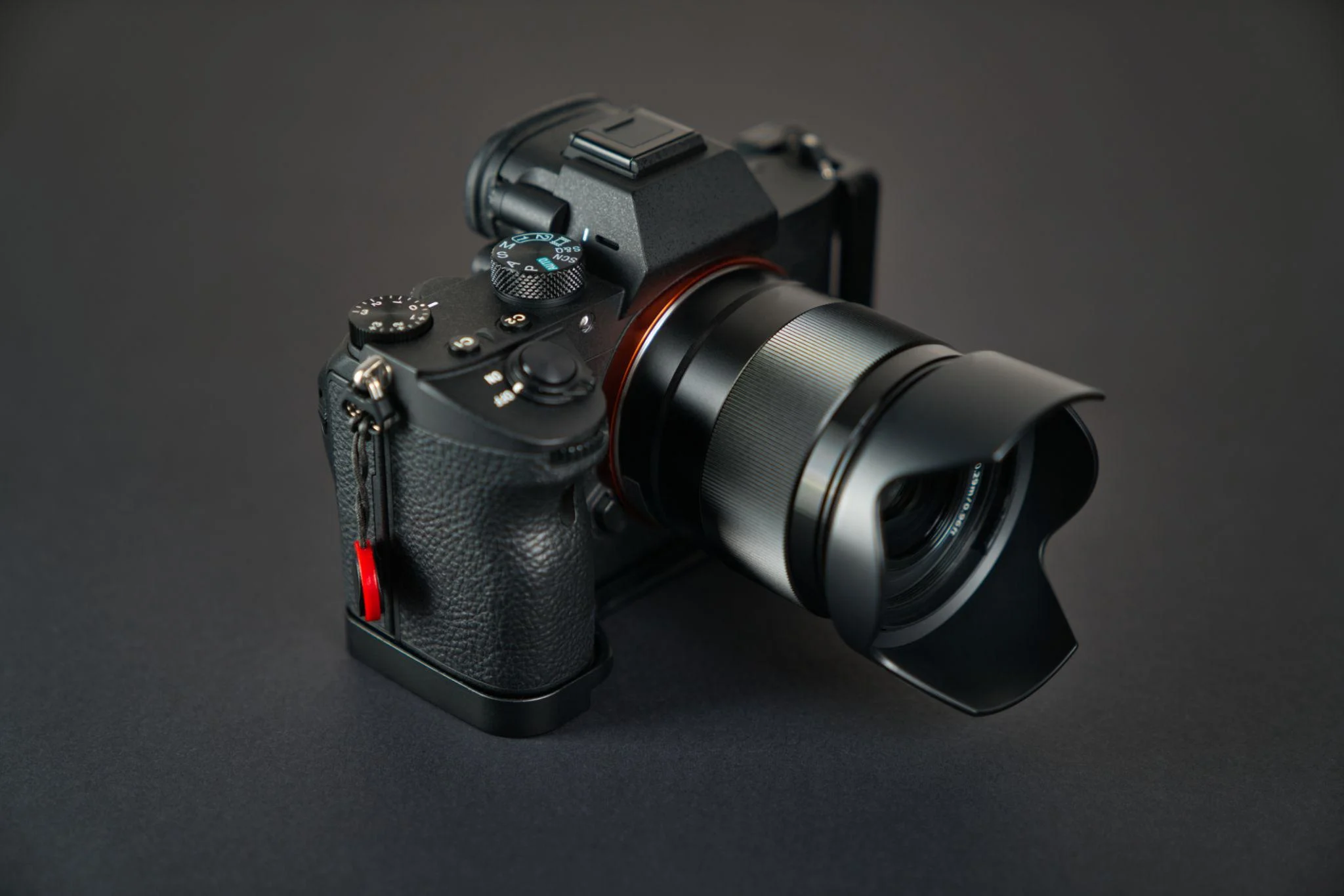
Professional agencies select specific camera systems to guarantee that final videos meet broadcast quality requirements. The primary recording device determines the resolution and colour depth available for the final edit.
High-quality professional photographer Kenya services often overlap with these technical requirements to provide consistent visual assets for brands.
Cinema Camera Body Technical Requirements
Commercial videographers use cinema-line or high-end mirrorless systems to capture uncompressed data. These systems record 10-bit 4:2:2 colour depth. This depth gives post-production teams the ability to match brand colours accurately during the grading process.
Using corporate photoshoot Kenya standards for video ensures that executive interviews look polished and professional.
| Production Tier | Camera Class Example | Optimal Kenyan Use Case |
|---|---|---|
| Standard Commercial | Sony A7S III / Canon R5 C | Documentaries and agile corporate event coverage. |
| Cinema Grade | Sony FX6 / Canon C300 Mark III | High-end television commercials and large brand anthems. |
| Redundant B-Cam | Sony FX3 / Panasonic Lumix GH6 | Secondary angles for interviews and gimbal-mounted tracking. |
Lens Selection for Large Venue Coverage
Camera operators choose specific focal lengths to suit the physical constraints of the venue. Event teams use 70-200mm telephoto lenses to capture speakers on stage from the back of large KICC conference halls.
This choice avoids obstructing the view of the audience. Versatile 24-70mm zoom lenses allow operators to track subjects during active outdoor brand activations.
Sensor Size and Resolution for Editing Flexibility
Full-frame sensors increase light intake for better performance inside dimly lit hotel ballrooms in Nairobi. Recording source files in 4K or 6K resolution allows editors to crop the frame without losing quality in the final 1080p output.
This resolution provides multiple angles from a single camera position which improves editing options.
Professional Audio Equipment and Sound Redundancy Frameworks
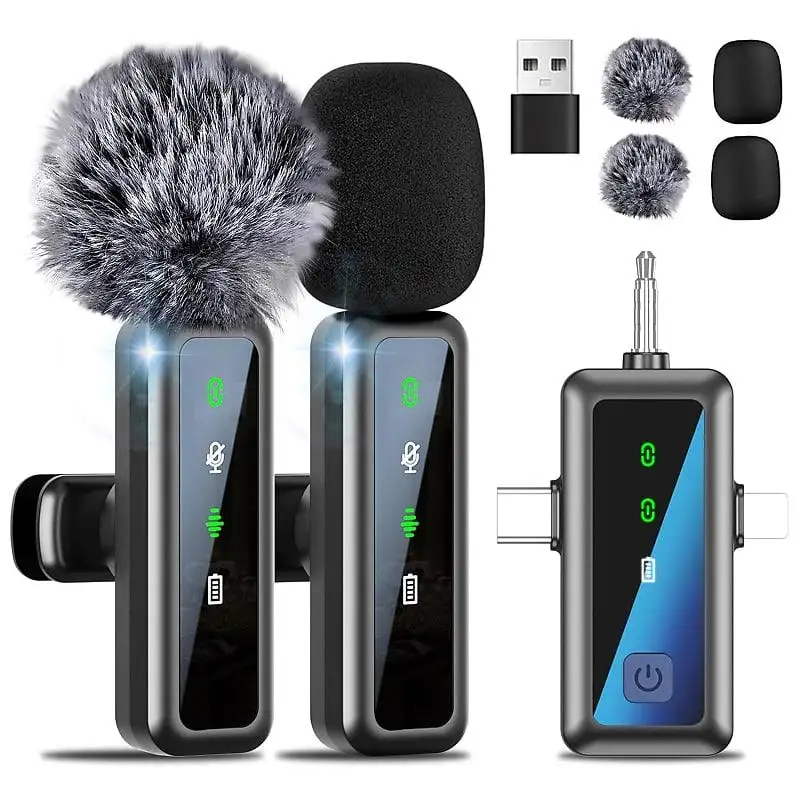
Poor sound quality ruins professional video productions. Corporate clients must check the audio infrastructure of a crew before they sign any service contracts.
For specific recording setups, reviewing a podcast gear prices list helps organisers understand the cost of high-fidelity sound components.
Microphone Types for Event Environments
Sound recordists use directional shotgun microphones to isolate voices from background venue noise. Wireless lavalier transmitters provide clear dialogue when speakers move across a stage or participate in panel discussions.
Every studio photographer Nairobi professional working in video knows that audio is as important as the visual frame.
External Audio Recorders and Dual System Protocols
Dedicated field recorders manage multiple audio inputs and provide power to professional microphones. Dual-system audio is a standard requirement for modern productions.
The videographer records sound on a separate external device and the camera. This method provides a backup if electronic interference affects one of the devices.
Redundant Audio Capture for Disaster Prevention
Production teams use 32-bit float recording technology to stop audio clipping when volumes increase suddenly. This technology captures the full range of sound during loud applause or cheering.
Secondary lavalier microphones connected to small pocket recorders provide a safety track if wireless frequencies fail.
Stability Lighting and Power Solutions for Field Operations
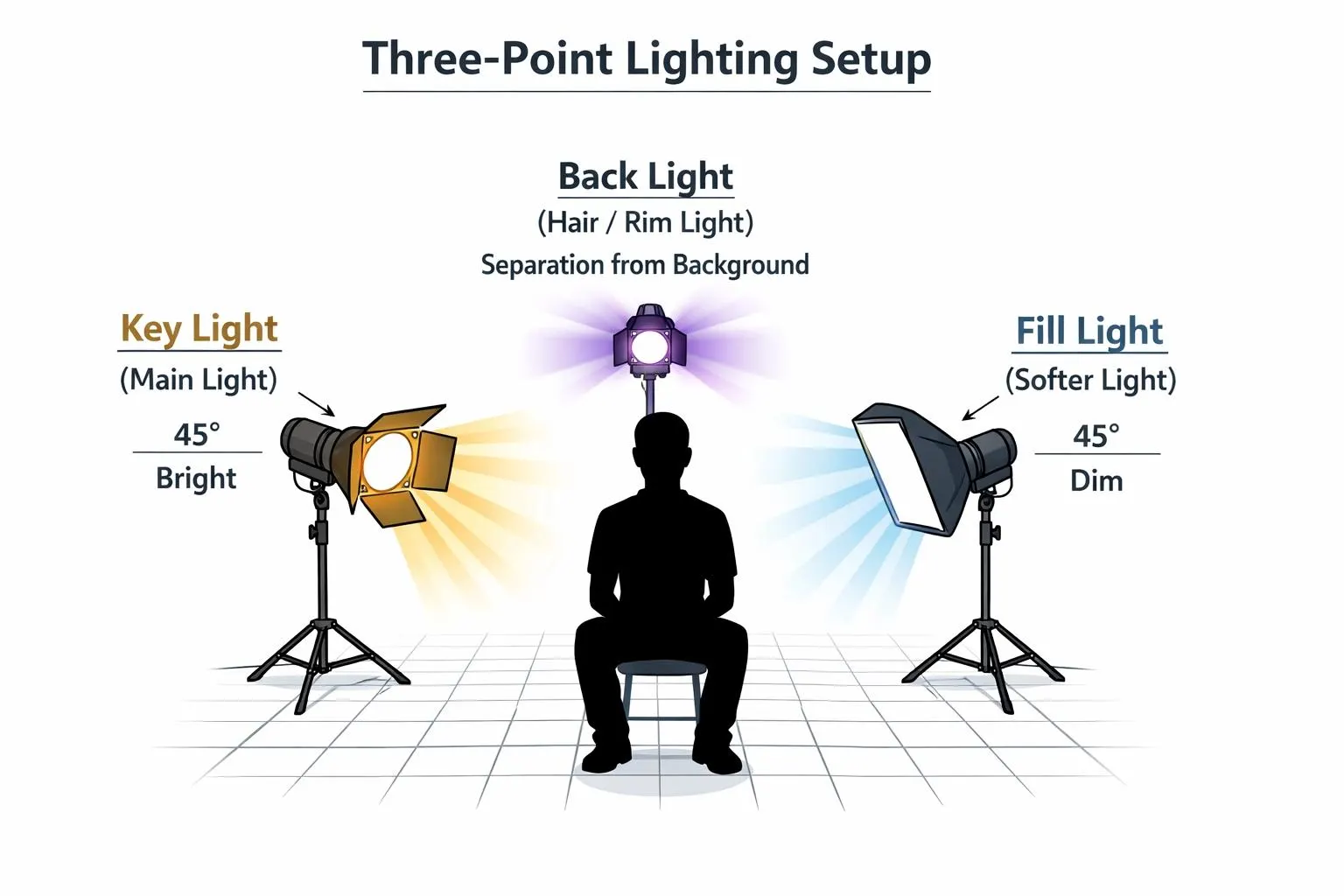
Environmental factors in Kenya require the use of stable support gear. The ability to control light and provide consistent power determines the quality of the final video project.
Gimbals and Fluid Head Tripods
Operators use heavy-duty fluid head tripods for smooth panning shots during long presentations.
Motorised gimbals allow videographers to walk through outdoor locations in Naivasha while keeping the camera level. These tools remove shaky movements that distract viewers from the content.
Lighting Kits for Interior Corporate Interviews
Gaffers use bi-colour LED panels to match the existing light temperature of a room. Softboxes and diffusion tools help to create soft light on faces.
This setup removes harsh shadows that can make subjects look unprofessional during high-stakes interviews.
Reliable Power and Battery Management
Videographers use high-capacity V-mount batteries to keep cameras running for several hours without stopping.
Production managers set up charging stations with Uninterruptible Power Supply units. These units protect equipment from power surges on the local grid.
Critical Backup Equipment and On-Site Failure Mitigation
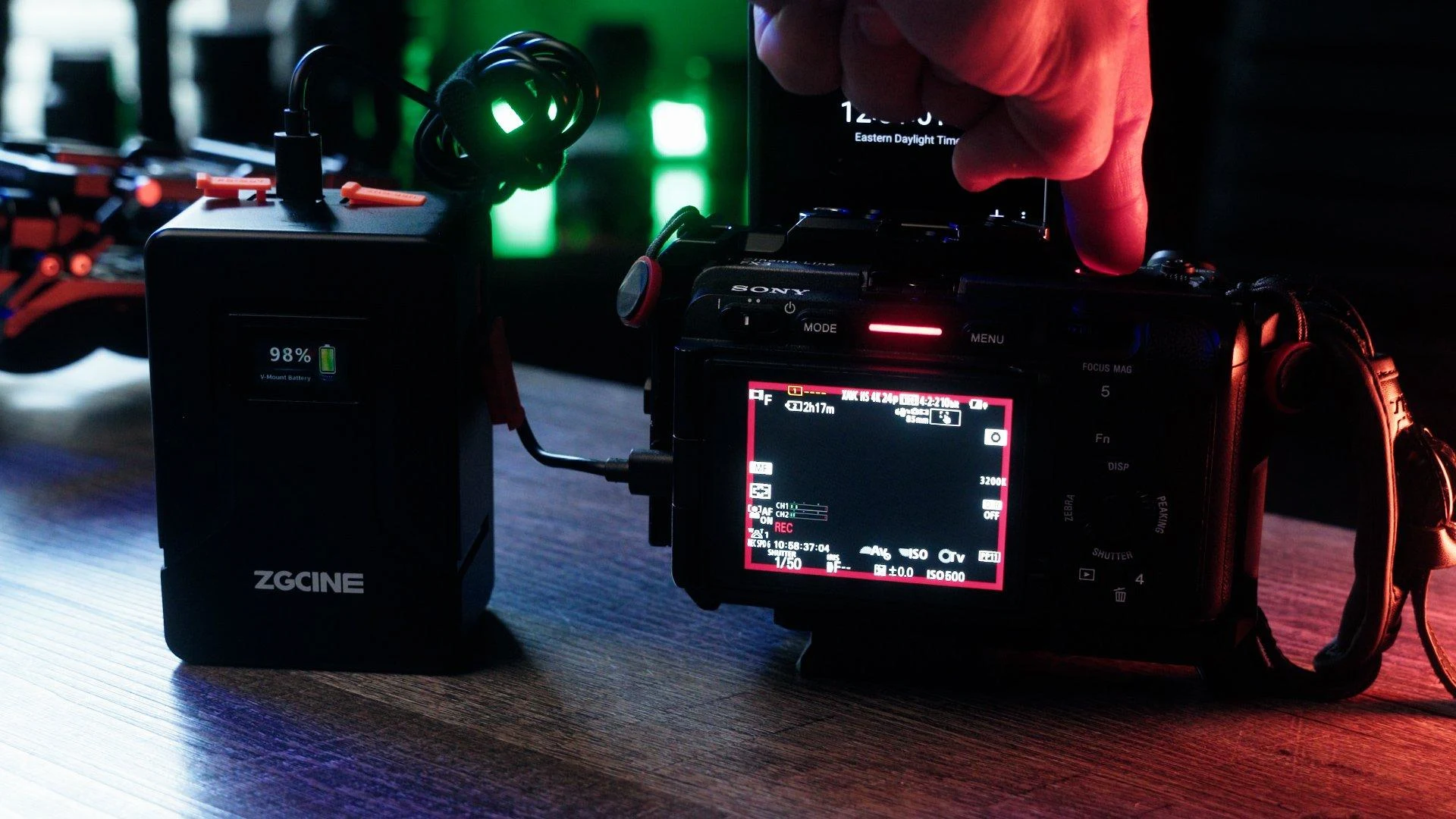
Equipment failure is a significant risk for live events. Professional crews reduce this risk by carrying identical backup equipment to the set.
Secondary Camera and Lens Inventory
Lead videographers bring secondary camera bodies with the same sensor types as the primary units. This approach ensures that the footage matches perfectly if the main camera fails.
Having an extra set of lenses prevents delays if a piece of glass is damaged during a busy shoot.
Emergency Audio Replacements and Cables
Sound engineers keep extra XLR cables and backup transmitters ready for immediate use.
Hardwired audio options provide a solution if local radio signals interfere with wireless microphones. This preparation ensures that the speaker's voice is always recorded.
Technical Support Kits for Quick Adjustments
Assistants use specialized tools and cleaning kits to fix minor issues between takes. Tightening a loose tripod plate or cleaning a lens prevents technical errors from ruining a shot.
These small actions maintain the momentum of the production schedule.
Data Management and Secure Storage Post-Production Strategies

The success of a project depends on how the crew handles the recorded media. Digital management protocols protect the client from losing their investment due to hardware failure.
On-Set Data Verification Workflows
Digital technicians move footage from camera cards to two different solid-state drives at the same time. Software tools verify that every bit of data is copied correctly.
The crew only formats the original camera cards after the verification process is complete.
Secure Storage and Proxy File Creation
Post-production studios use RAID drive systems that save data across several disks. This setup protects against mechanical drive failure.
Agencies also upload smaller proxy files to cloud servers. This allows clients to review the progress of the edit from any location.
Software Compatibility and Processing Power
Editors use industry-standard software like Adobe Premiere Pro or DaVinci Resolve. Standardised workflows help the team process large 4K files quickly.
These systems allow for faster delivery of the final product without technical crashes.
Rapid Delivery for Social Media and Kenyan Event Highlights
Marketing departments often need video assets immediately after an event. Fast-track production systems allow crews to deliver high-quality content for social media platforms quickly.
On-Site Editing for Vertical Video Platforms
Editors work on high-performance laptops at the event venue. Wireless transmitters send footage from the camera to the editing suite instantly.
This workflow allows the team to post highlight reels to Instagram or TikTok while the event is still happening.
Multi-Platform Framing for Social Media Integration
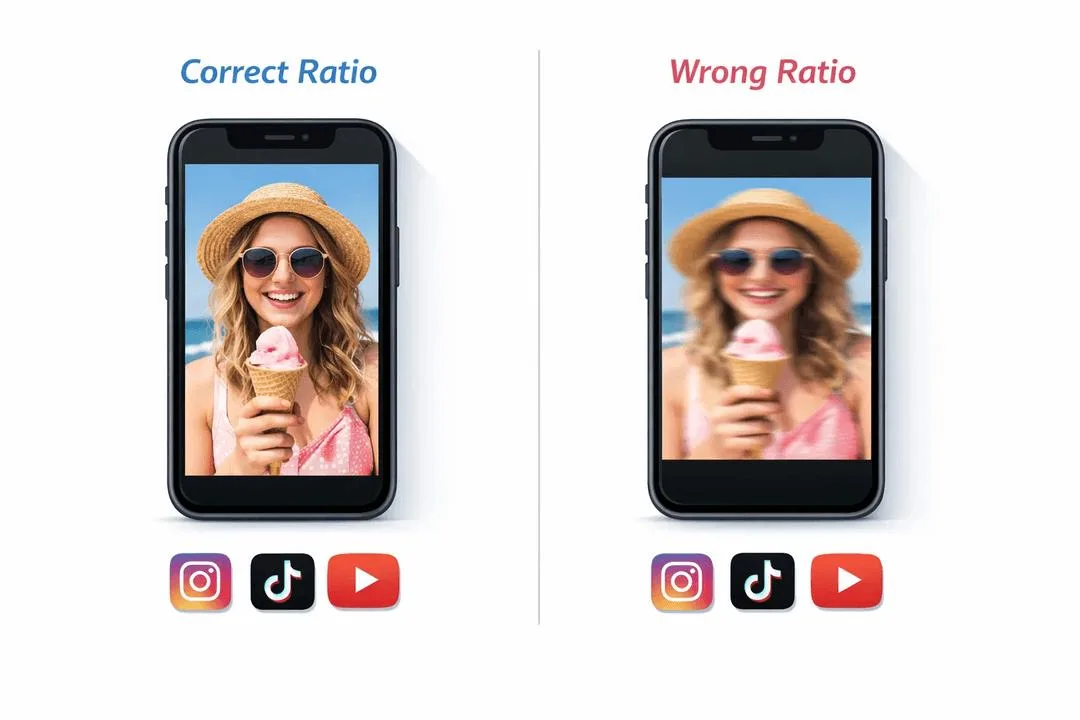
Camera operators record in tall aspect ratios to capture more vertical space. Editors then create both widescreen versions for YouTube and vertical versions for mobile phones from the same file. This strategy ensures the subject remains perfectly framed on all platforms.
The Professional Videography Equipment Pre-Hire Checklist
Procurement teams use technical transparency to protect their budgets. A structured checklist helps to identify professional agencies that follow industry standards.
You can book photographer and videographer teams who meet these strict criteria through verified platforms.
Technical Questions for Production Consultations
Clients can determine the quality of a hire by asking specific questions about equipment and workflows.
| Client Question | Production Rationale | Acceptable Professional Answer |
|---|---|---|
| "What is your backup audio strategy?" | Prevents complete loss of spoken dialogue. | "We record to an external device and run a backup lapel mic." |
| "Do you shoot on dual-slot cameras?" | Protects against SD card corruption. | "Yes, we record identical files to two separate cards simultaneously." |
| "How do you light indoor interviews?" | Ensures professional corporate aesthetics. | "We use a three-point LED setup with diffusion softboxes." |
Physical Equipment Verification on Event Day
Event managers check for backup cameras and audio recorders when the crew arrives. Making sure the equipment matches the contract prevents problems during the shoot.
This verification ensures the production team is ready for any technical challenges.
Secure Professional Services Through Photoshoot Kenya
The Photoshoot Kenya platform connects clients with production teams that use high-end equipment. Administrators check the inventory of every videographer to ensure they have the necessary backups.
Organisers can secure contracts through the platform to guarantee technical compliance for their media projects in any part of the country.