Virtual Event Solutions for YouTube & Zoom | Pro Streaming Guide
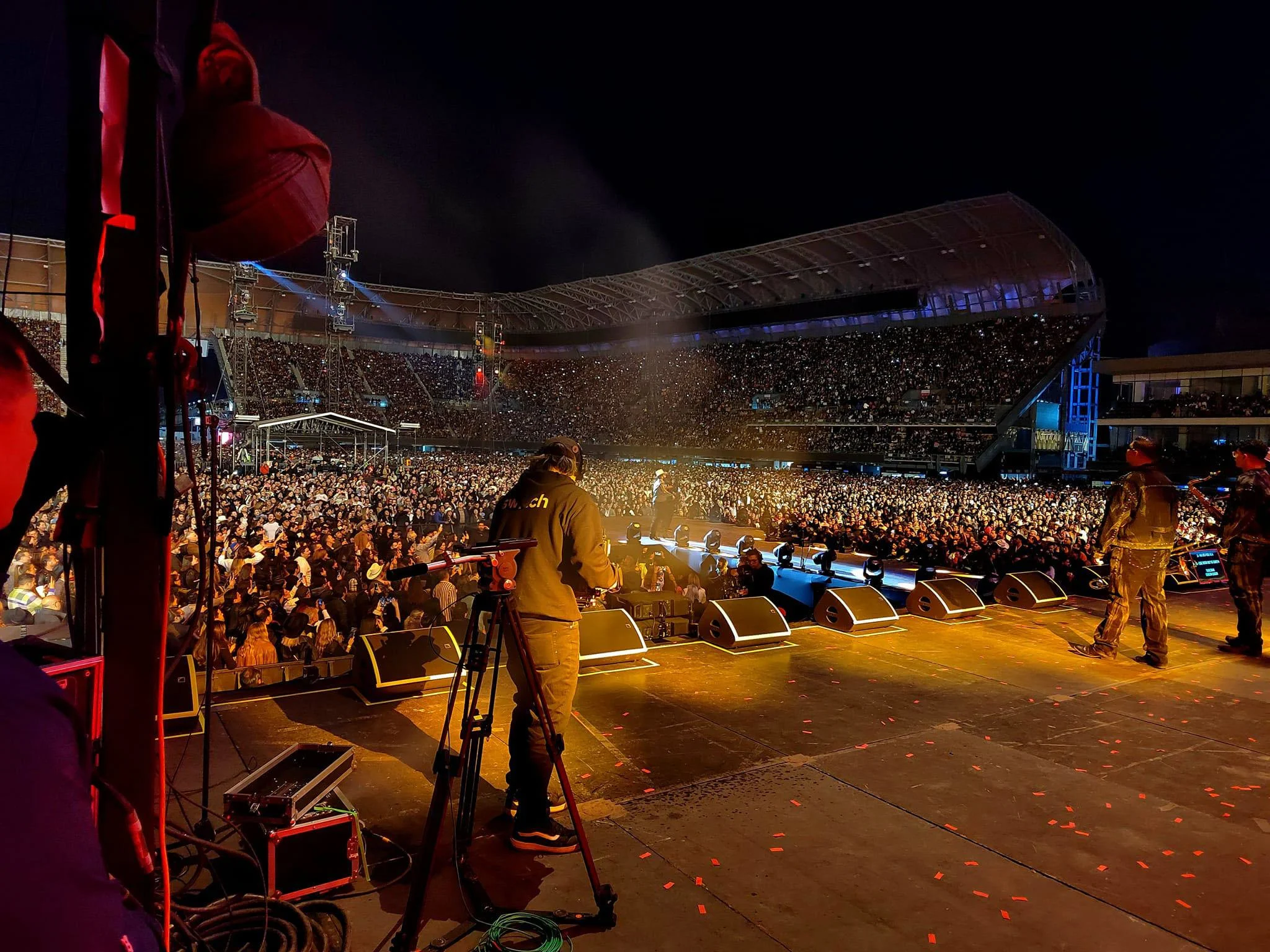
Virtual event solutions for real time streaming to YouTube and Zoom provide Kenyan organisations with high-fidelity, multi-camera broadcast capabilities for global reach.
Professional event planners in Nairobi rely on these infrastructures to maintain stable connections and high production value during high-stakes corporate meetings.
| Solution Tier | Primary Features | Target Event Type |
|---|---|---|
| Basic Stream | Single camera, direct encoder, standard audio | Webinars and Small Meetings |
| Multi-Cam Pro | 3+ Cameras, hardware switching, bonded internet | AGMs and Product Launches |
| Hybrid Summit | Remote speaker integration, AI captions, 4K broadcast | International Conferences |
Deploying live streaming Kenya solutions allows event organisers to deliver real-time content directly to digital platforms.
Kenyan corporate clients require robust digital infrastructures to connect global stakeholders across Nairobi and beyond without compromising on broadcast stability or audiovisual quality.
- Multi-camera hardware switching for dynamic angle changes.
- Redundant bonded internet systems to guarantee zero dropouts.
- Sub-second latency integrations for remote speaker interaction.
Strategic Planning and Custom Virtual Event Design for Broadcast Reliability
.jpg)
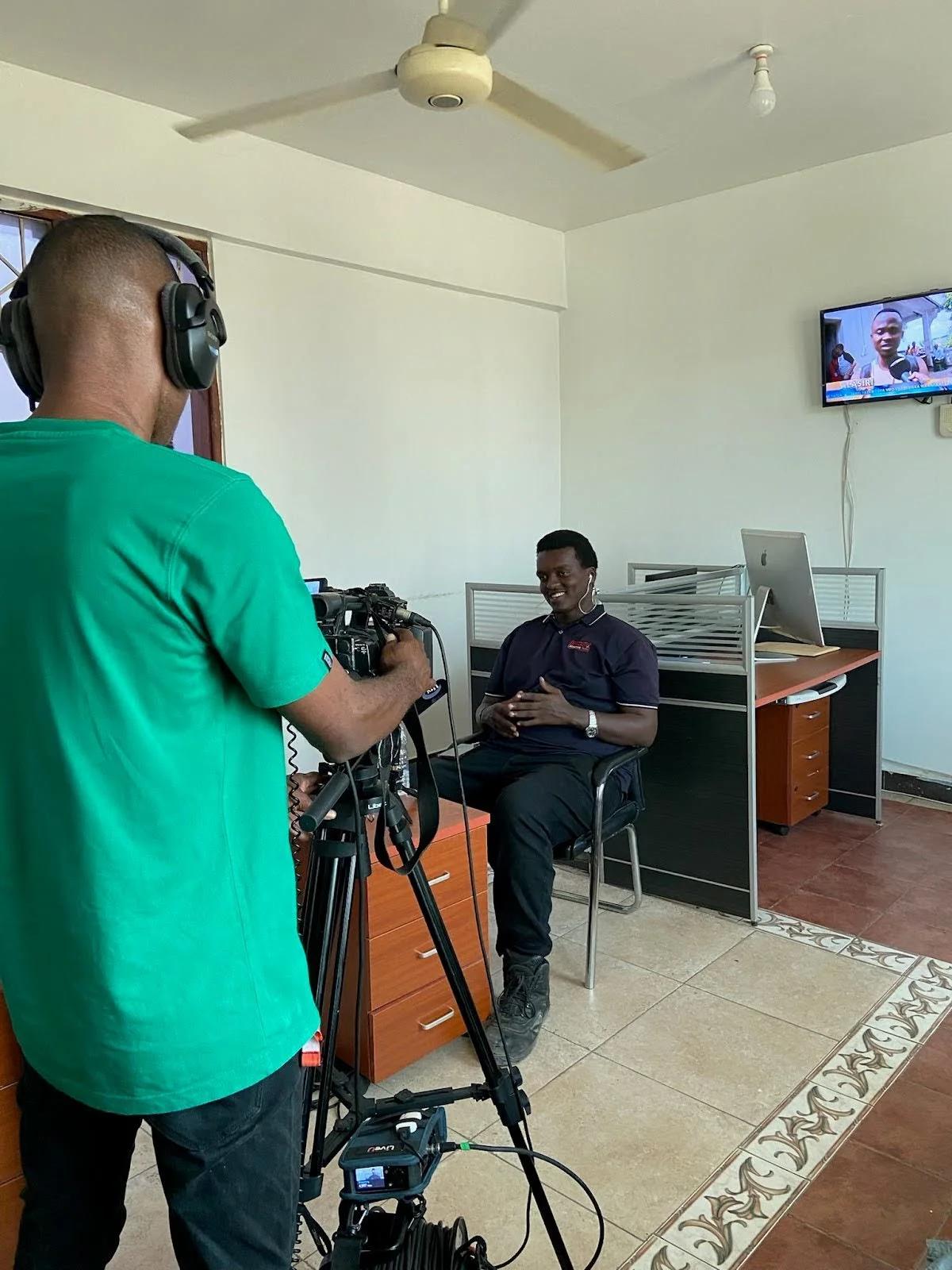
Technical directors initiate the production process by mapping out the venue's acoustic and lighting parameters. A studio photographer Nairobi often collaborates with the video crew to ensure the lighting setup facilitates both high-quality stills and video feeds.
Conducting site visits at locations like the Kenyatta International Convention Centre (KICC) allows the crew to determine cable runs, camera placements, and power redundancy requirements.
Event planners rely on this technical blueprint to align the run of show with digital transitions. Establishing lower-thirds, graphic overlays, and pre-recorded video insertions during this phase guarantees precise execution during the live broadcast.
Technical Architecture and Streaming Protocols used by Professional Broadcast Crews
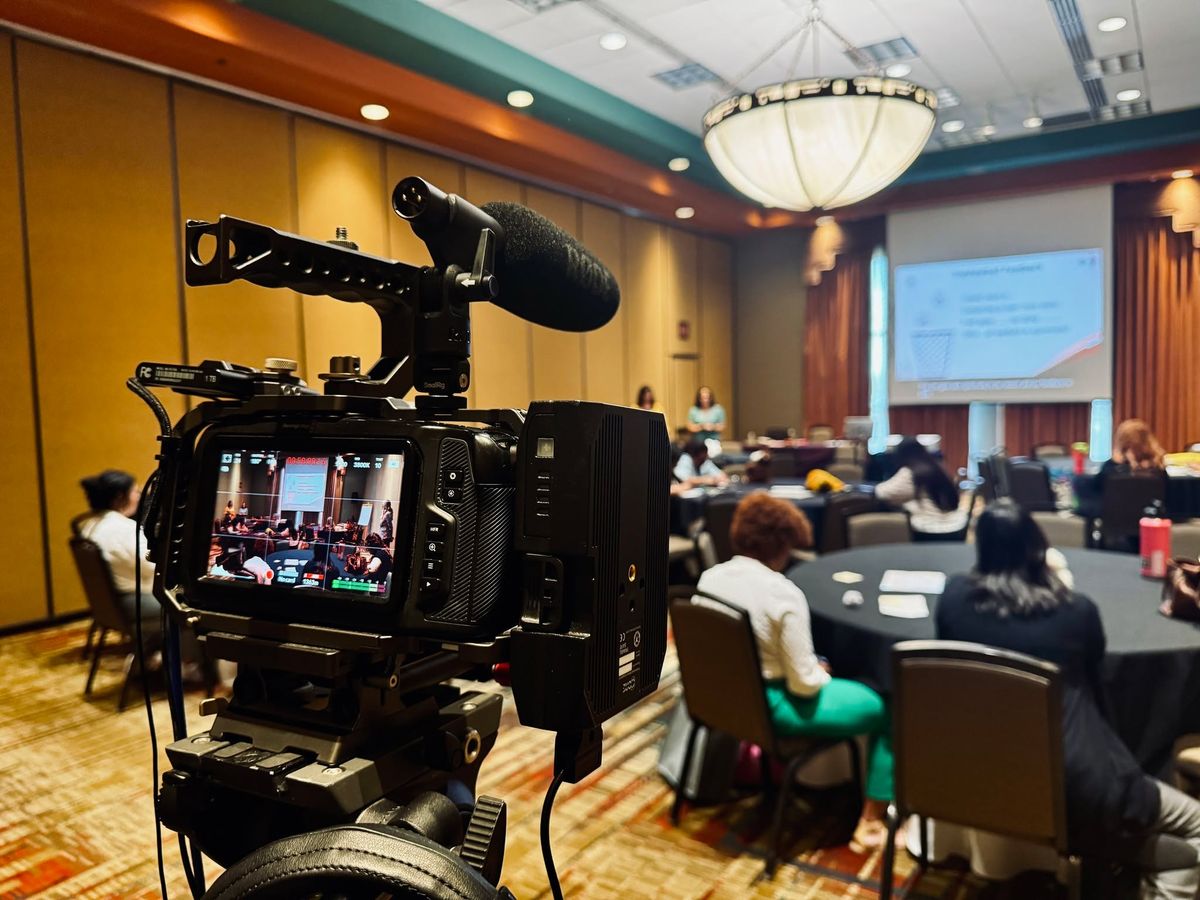
Professional videography Kenya teams use hardware switchers like the Blackmagic ATEM Television Studio to process multiple HDMI and SDI camera feeds.
Physical switching removes the processing lag common in software-only computer configurations. This hardware-first approach ensures that the mixed program feed remains stable even during long-duration broadcasts.
Engineers route the mixed program feed through dedicated hardware encoders like the Teradek VidiU or AJA Helo.
These devices push the Real-Time Messaging Protocol (RTMP) stream directly to YouTube or Zoom servers. This method bypasses computer CPU bottlenecks to maintain steady 1080p or 4K bitrates for the digital audience.
Redundancy dictates the deployment of bonded cellular routers. Network technicians aggregate Safaricom, Airtel, and Telkom data lines to create a single failover connection.
This setup prevents stream failure if the primary fibre line at the venue drops during the event.
Digital Platform Integration and Interactive Engagement Workflows
Managing the digital audience involves software operators controlling API keys and custom RTMP endpoints.
Broadcasters configure Zoom Webinars and YouTube Live events weeks in advance to test bandwidth limits. They also check podcast gear prices if the client intends to capture secondary audio for later distribution.
Audience engagement depends on precise audio routing. Sound engineers use digital mixing consoles to feed independent audio matrices into the streaming encoder.
This ensures the online audience hears clear lapel microphone inputs rather than ambient room noise. Teams looking to record podcast Nairobi sessions from these events benefit from these isolated audio tracks.
On Site Production Execution for Nairobi Corporate Events
.jpg)
Operating a multi-camera broadcast requires a synchronised crew managing cameras, audio, and graphics. A professional photographer Kenya often works alongside the video team to capture highlights without interfering with the live camera angles.
Camera operators position Sony FX6 or Canon C70 cinema cameras on fluid head tripods to capture sharp footage of the stage.
The technical director calls the shots from a dedicated production gallery. Switching between wide crowd shots and tight speaker close-ups keeps viewer attention over extended presentations. This dynamic vision mixing is essential for retaining engagement in a digital environment.
Gaffers use continuous LED lighting arrays to illuminate the stage for the camera sensors. Balancing colour temperatures between venue lights and production lights prevents digital noise. This attention to detail ensures accurate skin colours on the final stream.
Remote Speaker Integration Techniques to Mitigate Hybrid Fatigue
Hybrid Fatigue remains a significant concern for corporate event organisers hosting multi-day summits.
Photoshoot Kenya provides technical support by integrating VDO.ninja and NDI protocols to bring remote speakers onto venue screens. These protocols allow for sub-second latency, making the interaction feel immediate.
Routing these WebRTC feeds through local area networks delivers real-time two-way communication directly into the broadcast software.
This technical configuration makes virtual interaction feel as immediate as a physical conversation. It removes the awkward communication delays that often occur between an in-room moderator and a remote panellist.
Analytics Reporting and Content Repurposing Strategies for Maximum ROI
Delivering comprehensive data immediately following the broadcast provides marketing teams with quantifiable ROI metrics.
Platform analytics track concurrent viewer peaks and the geographic distribution of the digital audience. A corporate photoshoot Kenya session held during the event further adds to the available marketing assets.
Editors isolate individual speaker sessions from the master broadcast recording to generate targeted video-on-demand assets.
Distributing these segmented clips on LinkedIn and company websites extends the lifecycle of the event content. This approach ensures that the initial production investment continues to provide value long after the live stream ends.
Audio engineers extract the isolated audio tracks to produce high-quality podcast episodes. This multi-format delivery model maximises the value extracted from the initial production investment.
Marketing departments use these assets to maintain engagement with stakeholders who missed the live broadcast.
Artificial Intelligence Personalization and Multi Language Support in 2026
Integrating artificial intelligence into live broadcasting workflows improves accessibility and global reach. Live production crews route audio feeds through AI transcription engines to generate real-time closed captions.
Clients can book session technical reviews to see how these automated captions embed directly into the YouTube RTMP stream.
Multilingual corporate summits use automated translation algorithms to duplicate the primary video feed and overlay different language audio tracks.
Delegates select their preferred language channel on Zoom. This bypasses the logistical overhead of hiring multiple human interpreters for standard presentations.
Technical Requirements for Reliable Real Time Streaming to YouTube and Zoom
Bandwidth fluctuations present the highest risk factor during live broadcasts. Network engineers secure dedicated 100 Mbps symmetrical fibre connections at the venue to guarantee upload speeds for 1080p 60fps streaming. This dedicated line is separate from the public Wi-Fi used by event attendees.
Uninterruptible Power Supplies (UPS) support the entire broadcast gallery. Implementing these battery backups prevents complete system resets and lost stream keys during power fluctuations. This is a critical step when broadcasting from local event centres with inconsistent grid stability.
- Primary fibre connection for direct RTMP pushes.
- Bonded cellular failover for automatic network switching.
- Local SSD recording for backup file generation.
Selecting Photoshoot Kenya for Professional Virtual Event Support
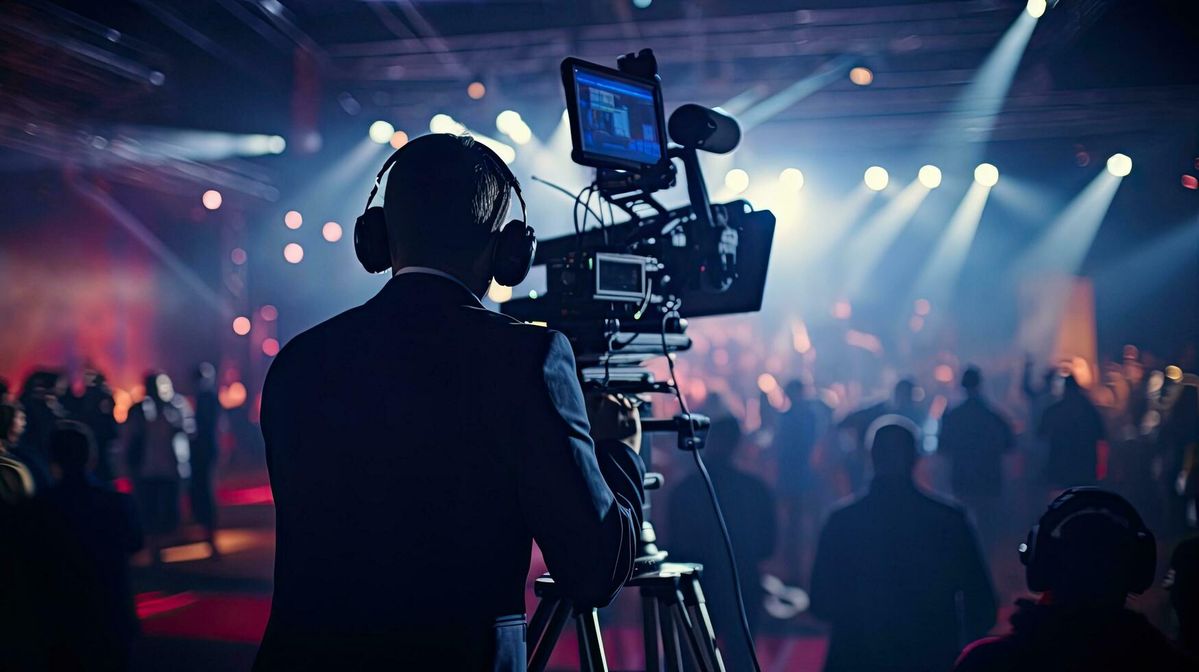
Photoshoot Kenya provides event organisers with broadcast-grade technical crews and hardware infrastructure.
Our production teams handle all logistics from pre-event bandwidth testing to post-event video asset delivery. This comprehensive service allows organisers to focus on their speakers while we manage the technical execution.
Corporate clients use our dedicated streaming hardware and redundant network architectures to execute reliable AGMs and product launches. Securing our technical directors ensures your digital audience receives a premium experience.
Organisers ready to secure their dates can reserve session slots through our online portal to begin the planning process.