20 Best Wedding Photography Poses for Kenyan Couples | 2026 Guide
Modern wedding photography poses prioritize movement based documentary compositions over static alignments to maximize the atmospheric conditions of high altitude venues.
Research from 2026 bridal forums indicates an industry shift toward kinetic setups.
Techniques like the Blue Hour Motion Blur walk utilize the specific wind patterns and ambient lighting inherent to locations like Tigoni and Limuru.
Event organisers and technical photography teams mandate these specific staging logistics to ensure final image deliverables match current editorial standards without delaying reception schedules.
Executing these configurations requires precise equipment selection and environmental awareness.
- Maasai Blanket Wrap for Two
- Golden Hour Silhouette Kiss
- Candid Laughter Walk Down the Aisle
- Bridal Squad Group Hug in Patterned Kitenge
- Groomsmen Power Stance with Uhuru Gardens Backdrop
- Traditional Hand Washing Ceremony Moment
- Dancing Entourage Grand Entrance
- Reflected Serenity by Lake Naivasha
- Sunset Dance on Diani Beach
- Intimate Forehead Kiss in a Coffee Plantation
- Storytelling Ring Exchange Close-up
- Elevated Drone Shot with Kenyan Terrain Grandeur
- Family Generations Photo with Matriarch and Patriarch
- Bridal Veil Play with Wind and Light
- Groomsmen Lifting the Groom Celebration
- Candid Wedding Cake Cutting Interaction
- The Couple's First Dance Embrace
- Sparkler Exit under a Starry Kenyan Sky
- Bridal Portrait with a Modern Safari Theme
- Just Married Off Road Adventure
Maasai Blanket Wrap Posing and Cultural Context
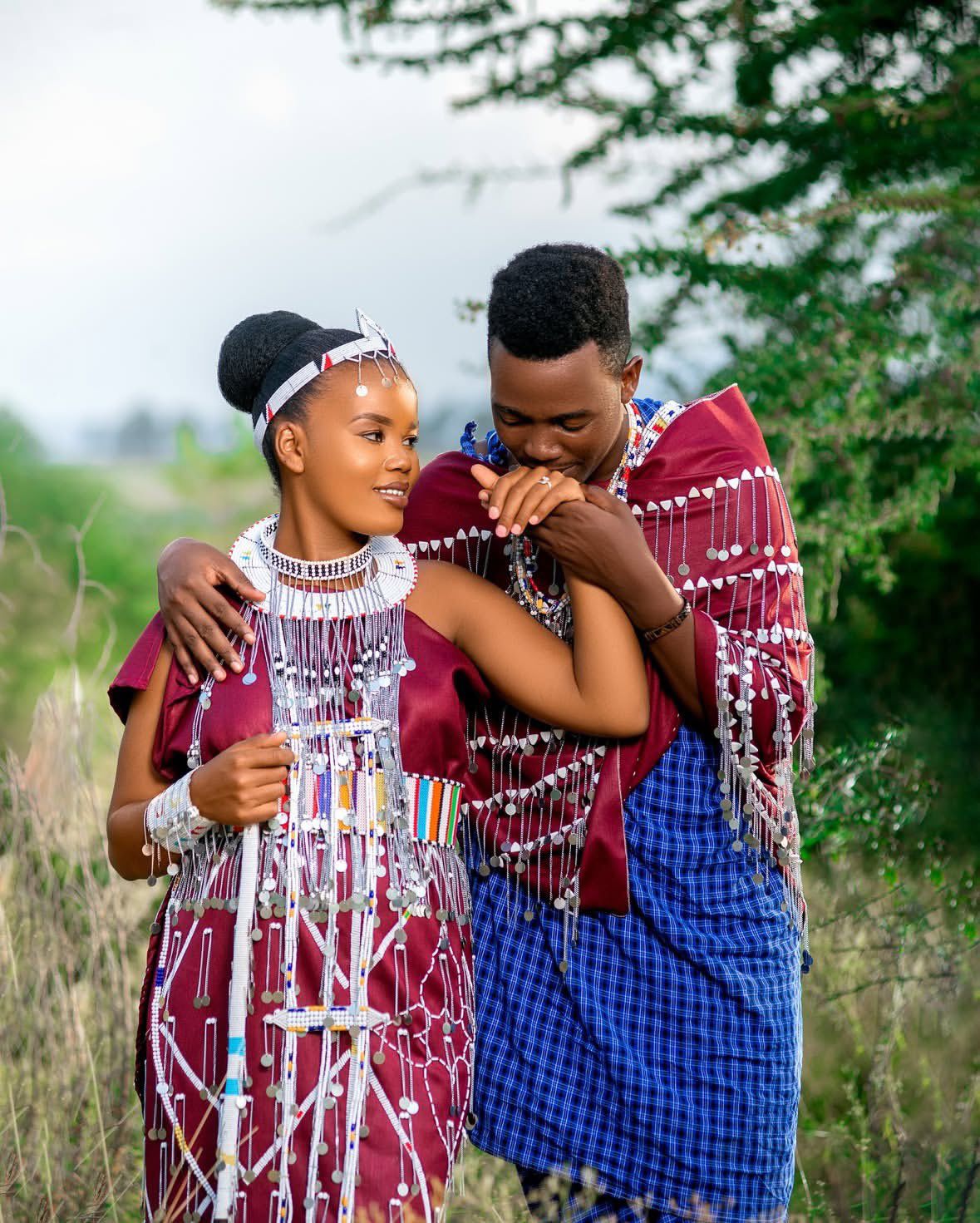
Couples standing together wrapped in a traditional Maasai shuka establish immediate cultural context while allowing for natural physical proximity.
This configuration minimizes awkward hand placement by giving the subjects a physical prop to hold and interact with during the session. The resulting images deliver high contrast due to the bold red and blue patterns set against natural outdoor greenery.
Recommended Camera Lenses and Gear
An 85mm f/1.4 prime lens enables the lead photographer to separate the couple from busy outdoor backgrounds through shallow depth of field.
Dual camera harnesses allow rapid switching to a wider 35mm lens if the couple spontaneously walks forward while holding the blanket.
Optimal Lighting and Angles for Impact
Overcast ambient lighting saturates the red fibres of the blanket without creating harsh shadows on the couple's faces. Photographers shoot from a low angle to elongate the subjects and emphasize the draping effect of the heavy fabric.
Props and Styling Enhancements
Thick wool shukas perform better on camera than synthetic alternatives by resisting wind disruption and holding structural folds.
Wardrobe stylists pin the fabric internally to secure the drape. This allows the couple to move freely without adjusting the material.
Staging Requirements for Golden Hour Silhouette Poses
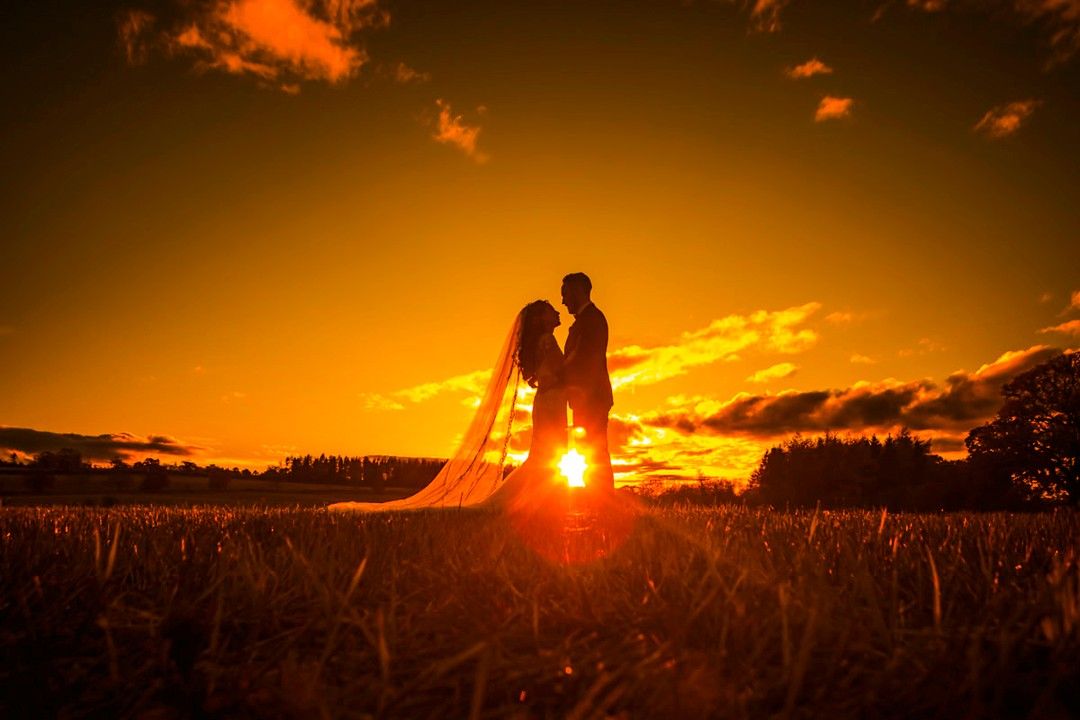
Positioning the couple against a setting sun creates a stark silhouette that emphasizes physical profiles and the geometric shape of the bridal gown.
This pose requires exact profile alignment to ensure the faces remain distinct rather than merging into a single unreadable shadow. Event coordinators schedule this shot precisely 20 minutes before sunset to guarantee optimal solar positioning.
Recommended Camera Lenses and Gear
A 35mm f/1.4 lens captures both the couple and the surrounding sky to provide necessary environmental scale. Mirrorless camera bodies utilizing electronic viewfinders allow the photographer to view the exact exposure of the silhouette in real time before triggering the shutter.
Optimal Lighting and Angles for Impact
Backlighting dictates the entire composition. The primary light source must sit directly behind the subjects.
Shooting from a low crouch forces the couple's outline above the horizon line to prevent dark foreground objects from intersecting with their silhouettes.
Props and Styling Enhancements
Minimalist foregrounds like short grass or smooth stone prevent visual clutter at the bottom of the frame. The bride's veil serves as a semi transparent element that catches residual light and adds texture to the solid black shape.
Documentary Laughter Poses for Movement Based Shoots
Directing the newly married couple to walk toward the camera while conversing creates the movement based documentary aesthetic requested in 2026 bridal mood boards.
This dynamic pacing forces natural facial expressions and eliminates the stiffness associated with posed portraiture. The continuous movement also captures the natural swing of the bridal gown and the groom's suit.
Recommended Camera Lenses and Gear
A 70-200mm f/2.8 zoom lens operating on continuous autofocus tracks the couple accurately as they close the distance to the camera. High speed SD cards ensure the camera buffer clears rapidly while shooting in burst mode to guarantee the team captures the exact moment of laughter.
Optimal Lighting and Angles for Impact
Natural top light filtered through venue roofing or tree canopies provides even illumination during the recessional walk. Photographers maintain an eye level angle while walking backwards to match the couple's pace and keep the framing consistent.
Props and Styling Enhancements
Guests throwing biodegradable confetti or flower petals across the focal plane add depth and layers to the composition. Aisle floral arrangements passing through the foreground blur naturally to frame the couple dynamically.
Bridal Party Group Hugs with Patterned Kitenge Styling
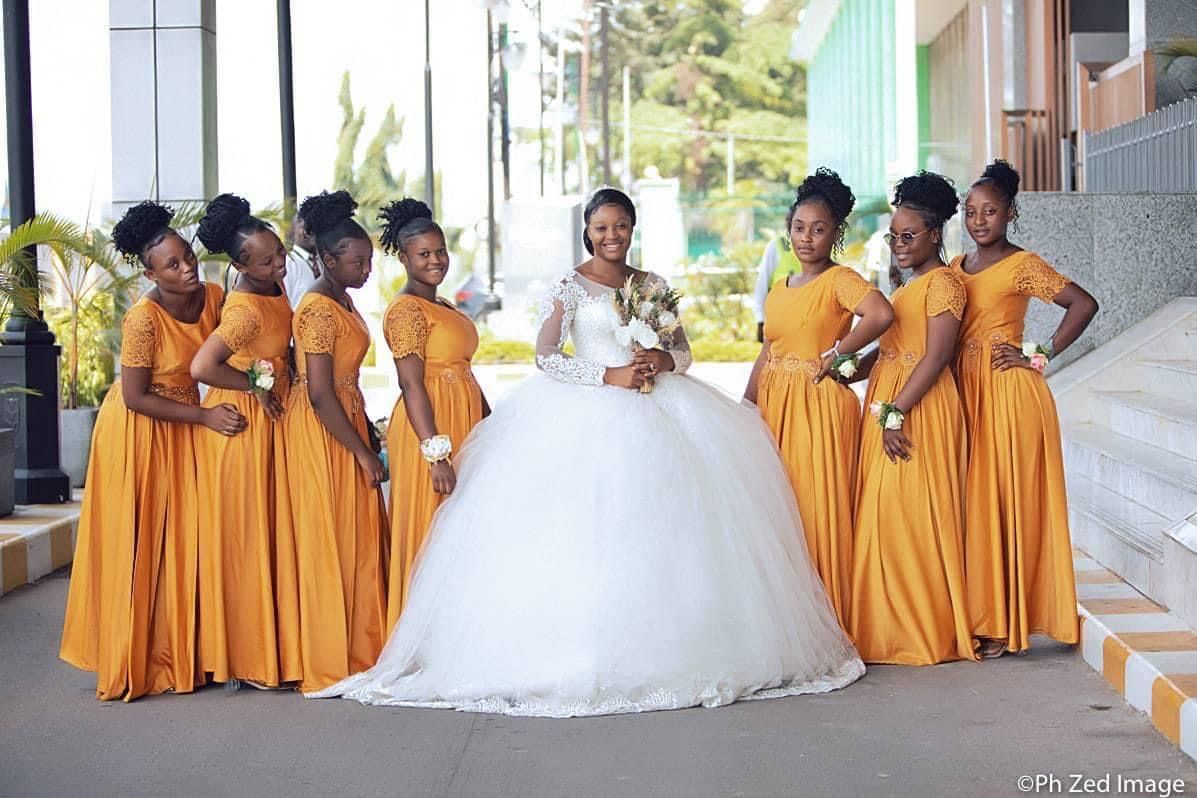
Assembling the bridesmaids around the bride for a tight, overlapping embrace showcases custom tailoring and unified colour schemes.
This dense grouping ensures all faces remain within a narrow focal plane to maximize sharpness across the entire bridal party. The physical closeness generates genuine reactions that result in high energy gallery deliverables.
Recommended Camera Lenses and Gear
A 24mm f/1.4 wide angle lens captures the entire group in tight indoor preparation spaces without requiring the photographer to back through a doorway. Off-camera flash units bouncing off the ceiling provide flat, even exposure across multiple skin tones.
Optimal Lighting and Angles for Impact
Elevating the camera on a stepladder creates a high angle perspective. This prompts the group to look up and naturally elongates their necklines.
This angle also highlights the intricate shoulder and neckline details of the custom Kitenge dresses.
Props and Styling Enhancements
Structured floral bouquets held at waist level break up the solid blocks of fabric and add organic textures to the frame. Matching metallic accessories like brass bangles catch the overhead flash to provide specular highlights.
Groomsmen Formations at Uhuru Gardens
Arranging the groomsmen in an asymmetrical, staggered formation projects authority and editorial styling.
Spacing the subjects across different depths creates a three dimensional composition that mimics high end fashion campaigns. This structural posing works exceptionally well when grounding the group against historical or monumental architecture in a photoshoot Nairobi session.
Recommended Camera Lenses and Gear
A 50mm f/1.2 lens provides natural field of view proportions while maintaining sharp focus on the groom in the centre foreground.
Circular polarizing filters mounted to the lens cut through atmospheric haze and deepen the blue skies above the monuments.
Optimal Lighting and Angles for Impact
Hard midday sun typical of outdoor venues requires a 5-in-1 reflector handled by a lighting assistant to bounce fill light into the groomsmen's eye sockets. A low shooting angle accentuates the height of the subjects and the imposing structures behind them.
Props and Styling Enhancements
Identical pocket squares and synchronized boutonniere placements create a cohesive visual rhythm across the group. Sunglasses worn uniformly by the groomsmen solve squinting issues under direct sunlight while adding to the editorial aesthetic.
Cultural Documentation of Hand Washing Ceremonies
Documenting the pouring of water over the couple's hands captures a critical cultural transition with deep symbolic weight. Framing this specific action tightly isolates the elders' hands interacting with the couple to emphasize generational connection over wide venue context. These specific visual artifacts consistently rank as priority deliverables for family albums.
Recommended Camera Lenses and Gear
A 100mm f/2.8 macro lens allows the primary shooter to isolate the water droplets and skin textures without physically crowding the ceremony.
Silent electronic shutters prevent the camera's mechanical clicking from disrupting the solemnity of the cultural proceeding.
Optimal Lighting and Angles for Impact
Directional window light or a grid modified softbox positioned at a 45-degree angle highlights the texture of the pouring water. Shooting slightly downward into the basin ensures the water stream and the hands remain the central focal point.
Props and Styling Enhancements
Polished brass or carved wooden basins provide rich, warm reflections that contrast with the clear water. Traditional beaded wristwear worn by the participants adds localized colour pops within the tight framing.
Reception Entrance Pacing and Flash Synchronization
Coordinating the bridal party's high energy entrance requires the photography team to manage rapid movement, fluctuating venue lights, and unpredictable guest interactions.
Securing this sequence dictates the tone of the reception deliverables. This demands aggressive tracking and specialized flash techniques to freeze the action while conveying motion.
Recommended Camera Lenses and Gear
A 24-70mm f/2.8 zoom lens gives the operator the flexibility to shoot the entire group at the door and instantly zoom in for close-up reactions.
On-camera flashes equipped with magnetic bounce cards push directional light into the subjects while spilling secondary light into the surrounding room.
Optimal Lighting and Angles for Impact
Dragging the shutter freezes the dancing subjects while turning the venue's DJ lights into streaks of colour in the background. Photographers maintain a low, central position in the aisle to document the entourage advancing toward the camera.
Props and Styling Enhancements
Handheld traditional props like walking sticks or fly whisks extend the subjects' reach and add sweeping lines to the motion blur. Fog machines operated by the venue staff diffuse the background lights to create cinematic separation between the dancers and the guests.
Mirror Reflections at Lake Naivasha Locations
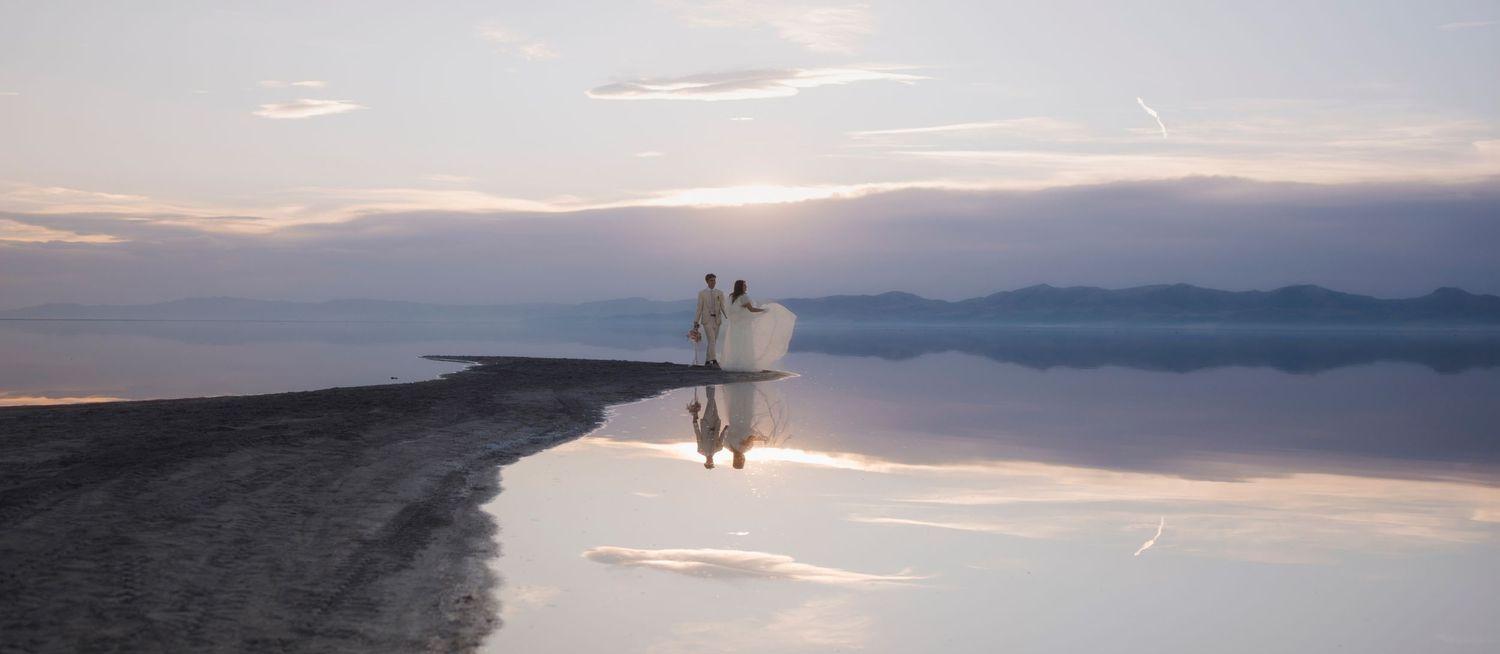
Placing the couple near still water relies on exact symmetry to double the visual impact of the composition. Water reflections demand absolute stillness from the subjects and a precisely levelled camera to ensure the horizon line bisects the frame perfectly. This architectural approach to natural environments yields highly structured, fine art deliverables.
Recommended Camera Lenses and Gear
A 16-35mm wide angle lens captures the complete reflection along with the surrounding foliage and sky. Heavy duty carbon fibre tripods lock the camera frame in place to allow the photographer to execute focus stacking if the foreground requires extreme sharpness.
Optimal Lighting and Angles for Impact
Early morning light provides the dual benefit of soft illumination and minimal wind to ensure the water remains undisturbed for mirror-like reflections. The lens must sit perfectly parallel to the water's surface to maintain geometric accuracy.
Props and Styling Enhancements
Wooden docks or stone jetties provide a solid, dry platform for the couple while extending them visually into the water. Minimalist styling prevents heavy fabrics from breaking the clean lines of the mirrored silhouette.
Coastal Dance Sequences on Diani Beach
.jpg)
Executing a motion-heavy dance pose on soft sand forces the photography team to account for challenging footing and rapid light loss over the ocean.
The objective involves capturing the centrifugal force of the bride's dress as the groom spins her against the coastal horizon during a photoshoot Diani session. High shutter speeds are required to freeze the flying sand and fabric.
Recommended Camera Lenses and Gear
An 85mm f/1.8 lens provides adequate reach to keep the photographer out of the flying sand while heavily blurring the ocean background. Weather sealed camera bodies protect internal sensors from corrosive salt spray and fine silica dust kicked up during the dance.
Optimal Lighting and Angles for Impact
Golden hour sidelight grazing across the beach highlights the texture of the sand and illuminates the trailing edge of the bride's dress. Photographers position themselves parallel to the shoreline to capture the breaking waves as a leading line behind the couple.
Props and Styling Enhancements
Barefoot styling matches the coastal environment and provides the couple with better traction for spins and dips. Lightweight, flowing dress fabrics react instantly to the ocean breeze to expand the visual footprint of the pose.
Intimate Portraits within Coffee Plantation Rows
.jpg)
Isolating the couple among dense rows of coffee bushes utilizes the dark, waxy foliage as a natural framing device. The forehead kiss conveys quiet intimacy and serves as a low energy contrast to high adrenaline reception shots.
The structured rows of the plantation provide natural leading lines that pull the viewer's eye directly to the couple.
Recommended Camera Lenses and Gear
A 135mm f/2.0 telephoto lens compresses the rows of coffee bushes to make the plantation look denser and more enveloping. Circular lens hoods prevent rogue sunlight from causing flaring and reducing contrast in the dark green shadows.
Optimal Lighting and Angles for Impact
Dappled sunlight filtering through the upper canopy requires careful positioning to ensure a clean patch of light falls directly on the couple's faces. Shooting directly down the avenue between the bushes maximizes the vanishing point effect.
Props and Styling Enhancements
Bright red coffee berries present in the foreground add organic contrast points to the predominantly green and brown environment. Neutral wardrobe tones prevent the subjects from clashing with the heavy earth tones of the plantation.
Macro Focus Strategies for Ring Exchange Moments
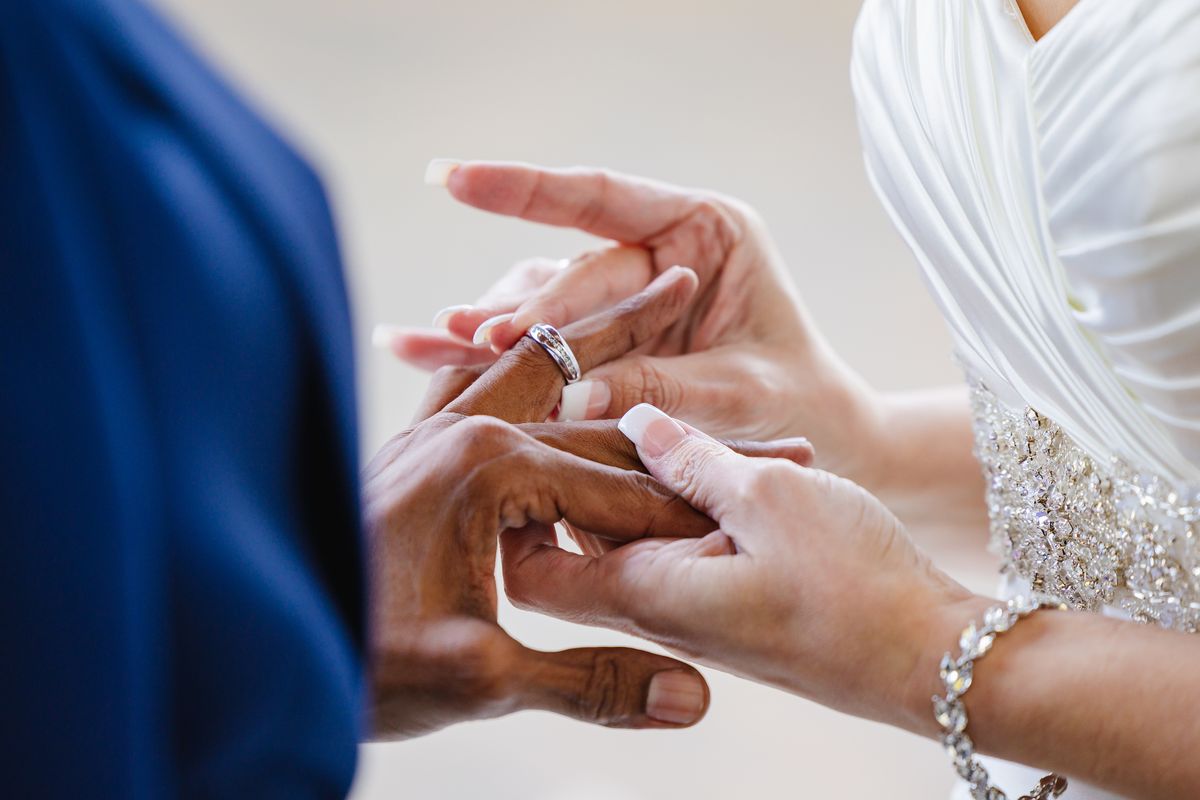
Documenting the precise moment the ring clears the knuckle requires absolute macro precision and faultless timing.
This extreme close-up eliminates all background context and reduces the wedding narrative to the singular physical commitment. Focus accuracy dictates the success of this non-repeatable sequence.
Recommended Camera Lenses and Gear
A dedicated 100mm macro lens provides 1:1 magnification to capture the engraving and diamond facets clearly. Dual card slots in the camera body ensure immediate backup of this critical milestone the millisecond the shutter fires.
Optimal Lighting and Angles for Impact
Continuous LED video panels wielded by an assistant push clean, daylight-balanced fill light onto the hands. This overrides harsh shadows from the overhead altar lights. A slight side angle prevents the groom's hand from completely obscuring the ring as it slides onto the finger.
Props and Styling Enhancements
Professional manicures on both partners ensure clean, distraction-free framing at high magnifications. The officiant's specialized holding tray or traditional Bible beneath the hands adds narrative context to the lower third of the frame.
Aerial Drone Perspectives for Rift Valley Venues
Integrating aerial platforms allows videography Kenya teams to establish the vast scale of Rift Valley venues before transitioning to ground level multi-cam setups.
This top-down orientation renders the couple as specific focal points within a massive geographical footprint. Aerial perspectives satisfy client demands for cinematic documentary-style establishing shots.
Recommended Camera Lenses and Gear
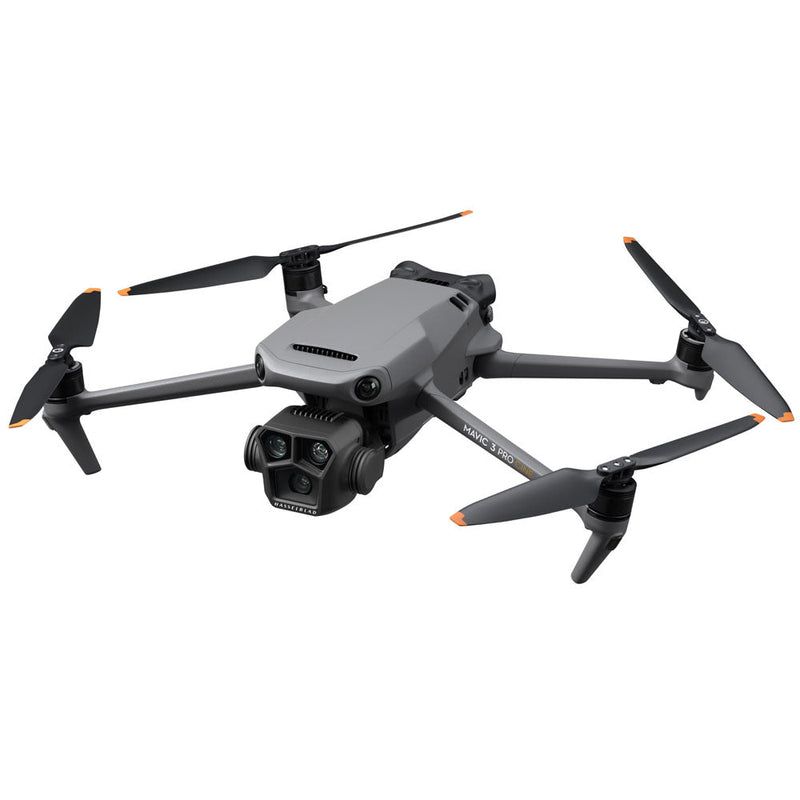
DJI Mavic 3 Pro drones equipped with Hasselblad sensors capture raw files with enough dynamic range to retain cloud details and ground shadows simultaneously. Neutral Density filters attached to the drone lens control the harsh African sun to keep shutter speeds manageable for hybrid capture.
Optimal Lighting and Angles for Impact
Late afternoon scheduling produces elongated shadows that add three dimensional texture to the flat terrain. Positioning the drone at a 45-degree downward pitch captures both the couple and the horizon. A 90-degree top-down pitch abstracts the ground into geometric patterns.
Props and Styling Enhancements
The vast terrain acts as the primary prop. This requires the couple to stand in an open clearing free of obstructing tree canopies. A long, brightly coloured train on the wedding dress provides necessary visual contrast against dry savannah grasses from 100 feet in the air.
Multi Generational Portraits with Family Elders
Structuring formal family portraits around seated elders anchors the generational hierarchy and creates orderly, symmetrical gallery grids.
Arranging standing family members around the seated matriarch and patriarch ensures everyone remains within the optimal focal plane.
This organized approach accelerates the formal portrait session to return the family to the reception promptly.
Recommended Camera Lenses and Gear
A 24-70mm f/2.8 lens zoomed to 50mm minimizes edge distortion to ensure individuals on the ends of the group maintain accurate body proportions.
Heavy duty light stands support large strobe units safely in crowded environments.
Optimal Lighting and Angles for Impact
Cross-lighting the group with two 200-watt off-camera strobes eliminates shadows cast by individuals standing in the front row.
The photographer mounts the camera at the chest height of the standing subjects to keep vertical lines straight and authoritative.
Props and Styling Enhancements
Carved, high-backed traditional chairs designate the seating for the elders and provide structural framing for the centre of the image.
Unified family accessories like matching traditional scarves or walking canes tie the multi-generational group together visually.
Veil Interaction with High Altitude Wind Patterns
Manipulating a cathedral length veil in the specific wind conditions of high altitude venues executes the movement based documentary mandate.
Natural drafts unique to tea-growing regions lift the sheer fabric organically. This avoids the artificial look of assistants throwing the veil. This atmospheric interaction creates a sweeping frame that highlights the local microclimate.
Recommended Camera Lenses and Gear
A 50mm f/1.2 prime lens paired with a shutter speed exceeding 1/1000s freezes the rapid snapping of the tulle fabric in the mountain wind. Focusing continuously on the bride's eyes ensures the face remains sharp even as the sheer fabric crosses the lens.
Optimal Lighting and Angles for Impact
Positioning the bride between the camera and the sun backlights the veil to transform the translucent material into a glowing halo.
The photographer shoots from a low, seated position to frame the floating fabric against the clean sky rather than the busy ground.
Props and Styling Enhancements
A lightweight, single tier cathedral veil responds best to unpredictable wind currents. This fabric remains airborne longer than heavy, beaded alternatives.
The bride maintains a strong, grounded posture to anchor the chaotic movement of the fabric overhead.
Coordination for Groomsmen Lift Celebration Shots
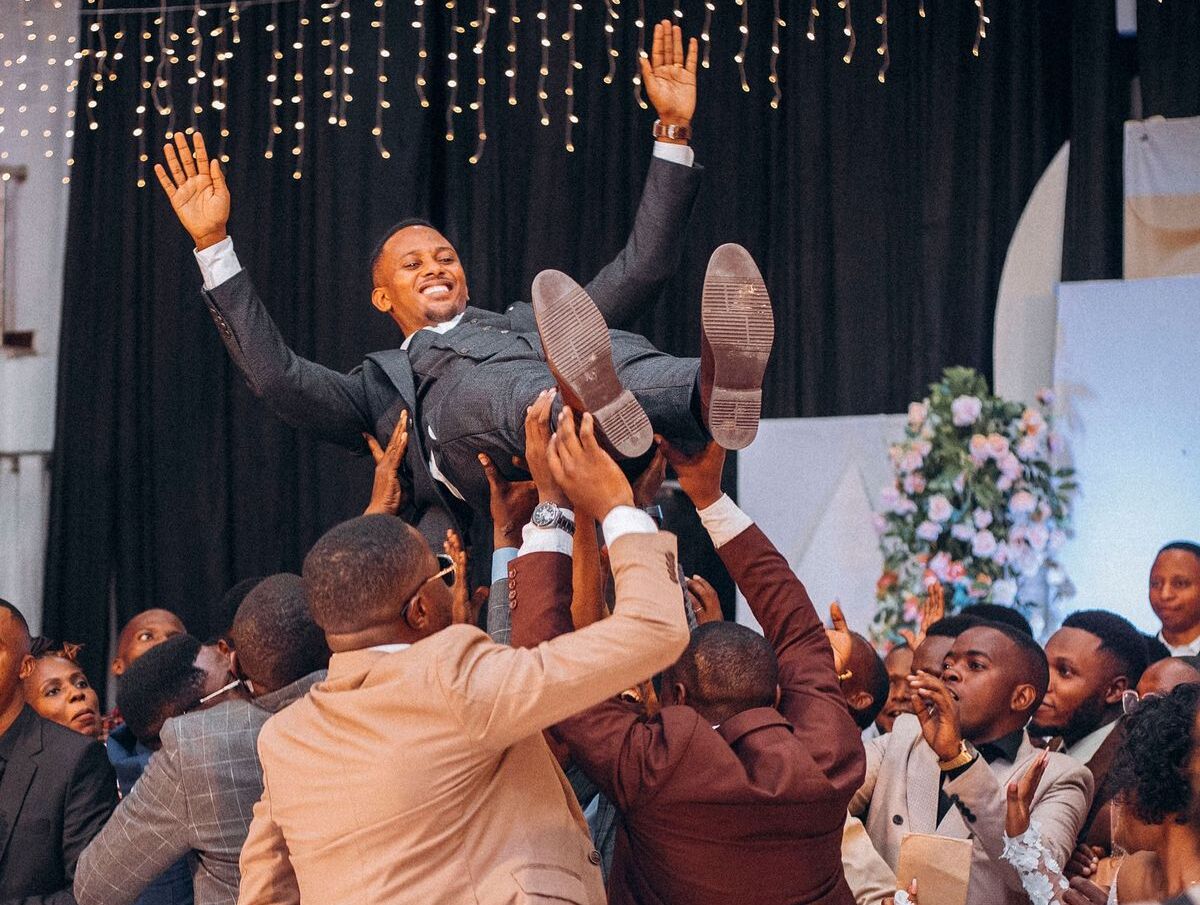
Directing the groomsmen to hoist the groom horizontally injects spontaneous energy and authentic joy into the formal session.
This gravity-defying pose breaks the monotony of standing lineups and guarantees aggressive laughter from the entire party.
Safe execution requires clear communication between the photographer and the group to coordinate the lift on a specific count.
Recommended Camera Lenses and Gear
A 35mm f/1.4 lens offers the necessary width to capture all the lifting hands while staying close enough to hear the subjects over ambient wind noise.
High speed burst mode triggers 10 frames per second to ensure the gallery includes the peak height of the toss.
Optimal Lighting and Angles for Impact
Natural flat lighting from open shade prevents harsh shadows from falling across the groom's face as his orientation changes.
Shooting from an extreme low angle pointing upwards maximizes the perceived height of the lift against the sky.
Props and Styling Enhancements
Removing suit jackets prior to the lift reveals uniform suspenders and shirts to add mechanical flexibility for the lifters. Securing boutonnieres with double pins prevents the floral arrangements from detaching during the physical exertion.
Candid Reception Interaction during Cake Cutting
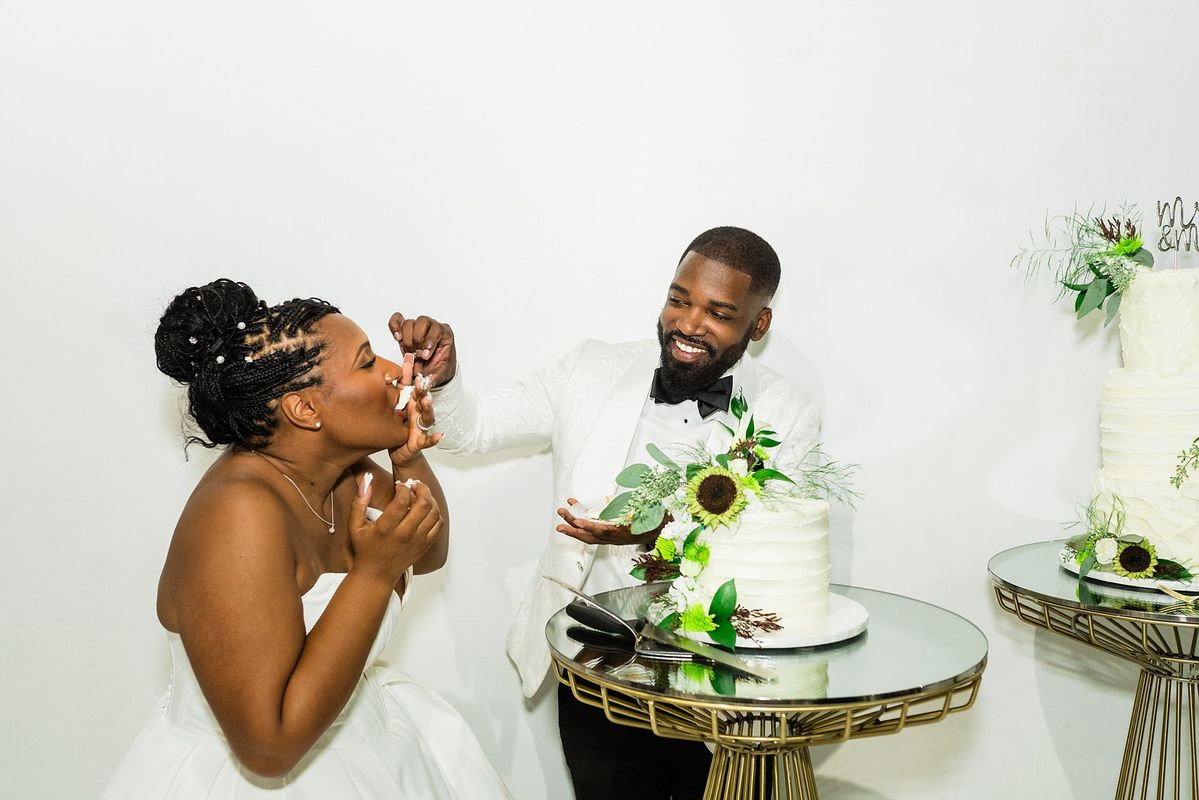
Documenting the cake cutting shifts away from rigid posing toward documenting the messy, interactive reality of the couple feeding each other.
Photographers prioritize immediate reactions, frosting smears, and spontaneous laughter over perfectly clean knife placements. This approach delivers authentic reception narratives that resonate on modern social media grids.
Recommended Camera Lenses and Gear
A 50mm f/1.4 lens operates exceptionally well in the dim, localized lighting of reception halls. A speedlight bounced off a nearby white wall or ceiling provides soft, directional illumination that mimics window light.
Optimal Lighting and Angles for Impact
Ambient venue lighting mixed with gelled rim lights separates the couple from the dark reception background. Framing a medium close-up from the side captures both profiles and the physical interaction with the dessert.
Props and Styling Enhancements
The ornate cake knife and serving set act as practical props that keep the hands busy and purposeful. The tiered cake itself serves as a structural foreground element to ground the bottom quadrant of the frame.
Emotional Anchoring during First Dance Sequences
Isolating the couple during their first dance removes the surrounding audience and focuses entirely on their physical connection and movement.
The embrace serves as the emotional anchor of the evening coverage. This requires specialized lighting setups to dramatize the venue. The rotating nature of the dance mandates a mobile, un-tethered shooting approach.
Recommended Camera Lenses and Gear
An 85mm f/1.4 lens creates tight, waist-up framing that blurs out background guests completely. Off-camera flashes equipped with honeycomb grids control light spill to ensure the illumination hits only the couple and not the surrounding floor.
Optimal Lighting and Angles for Impact
A spotlight effect created by the gridded flash isolates the subjects against a deliberately underexposed, dark background.
The photographer rotates around the edge of the dance floor to wait for the ambient DJ lights to flare directly into the lens for cinematic effects.
Props and Styling Enhancements
Dry ice or low-lying fog machines operated by the venue team obscure the floor to give the illusion that the couple is floating. The groom's hands positioned firmly on the bride's lower back emphasize the supportive structure of the dip or spin.
Sparkler Exit Logistics under Night Skies
Orchestrating a tunnel of fire for the couple's final exit provides a high contrast, explosive finale to the wedding album.
Managing dozens of burning sparklers requires strict logistical control from the photography team to ensure guest safety and even lighting. This setup relies entirely on the ambient light generated by the pyrotechnics.
Recommended Camera Lenses and Gear
A 35mm f/1.4 lens captures the width of the sparkler tunnel and the full length of the couple's exit walk.
Tripod-mounted secondary cameras operating on slow shutter speeds capture the trailing light patterns while the primary shooter handles the freeze-frame action.
Optimal Lighting and Angles for Impact
The sparklers themselves serve as the primary key light to wrap the couple in warm illumination. A secondary off-camera flash positioned far behind the couple backlights the smoke to separate the subjects from the dark night sky.
Props and Styling Enhancements
Long-burning 36-inch sparklers give the couple enough time to walk at a normal pace without the light source burning out prematurely.
Event coordinators distribute identical lighters to initiate a synchronized ignition to ensure maximum brightness for the pass-through.
Safari Aesthetic Portraits in Arid Terrain
Fusing luxury bridal styling with rugged environmental elements yields editorial portraits distinct to the East African market.
Placing pristine couture against dry, textured terrain creates high visual tension and communicates a strong sense of place. This localized aesthetic drives high engagement across international bridal publications.
Recommended Camera Lenses and Gear
A 200mm telephoto lens compresses the background to pull distant acacia trees or escarpments closer to the bride's silhouette. Lens hoods remain attached to maintain maximum contrast and protect the front glass from abrasive dust.
Optimal Lighting and Angles for Impact
Open shade found under large tree canopies protects the bride's skin from blown-out highlights while allowing the sunlit background to glow. Eye level angles maintain realistic body proportions while incorporating the vastness of the horizon.
Props and Styling Enhancements
Vintage 4x4 Land Rovers or classic safari vehicles serve as industrial posing props that the bride can lean against. Wide-brimmed neutral hats introduced for a few frames provide quick wardrobe variations without requiring a full outfit change.
Off Road Departure Shots for Narrative Conclusion
Capturing the couple driving away on unpaved roads provides a rugged, narrative conclusion to the day's events.
The physical movement of the vehicle kicking up dust translates exceptionally well into both still frames and hybrid video clips. This dynamic exit shot verifies the logistics of the location while framing the couple's forward momentum.
Recommended Camera Lenses and Gear
A 24-70mm f/2.8 zoom lens mounted to a motorized gimbal enables the operator to jog alongside the vehicle for smooth, cinematic tracking shots.
Variable ND filters allow seamless transition from dark interior cab shots to bright exterior dust trails without changing shutter speeds.
Optimal Lighting and Angles for Impact
High contrast late afternoon sunlight backlights the dust trail to turn the particulate matter into a glowing cloud behind the vehicle.
Panning angles where the photographer tracks the vehicle's movement horizontally blur the foreground brush while keeping the car tack-sharp.
Props and Styling Enhancements
Customized Just Married tire covers or traditional tin cans tied to the rear bumper add localized context to the wider action shot. Rolling down the windows allows wind to interact with the bride's hair and veil to reinforce the sense of speed.
Leveraging Instant Social Media Snippets from Wedding Pose Sessions
Content creators integrated into the primary photography team deliver same-day vertical video edits explicitly formatted for Instagram Reels and TikTok.
Delivering edited event highlights within 24 hours enables couples to distribute professional updates while the event remains highly relevant to their social circles.
Photographers extract key frames from the high-resolution files. They apply platform-specific colour grading to ensure the kinetic movement based documentary poses translate effectively to mobile screens. Additional tips are available on the photography blog Kenya platform.
Operational Standards for Wedding Media Deliverables
Event organizers verify the photographer's portfolio to ensure their lighting style matches the specific altitude and wind conditions of the selected venue.
Securing a technical team capable of executing dynamic poses requires analyzing their past performance in unpredictable outdoor environments rather than controlled studio settings.
Clients audit full wedding galleries to confirm the team maintains sharp focus and accurate colour science across a 12-hour operational window.
Pre-Wedding Consultation and Mood Board Creation for Your Photoshoot
Technical directors conduct site visits with the couple to map out exact GPS coordinates for the Golden Hour and Blue Hour staging areas.
Constructing a digital mood board aligns the photography team's gear loadout with the couple's aesthetic expectations to prevent on-site miscommunication.
This logistical alignment dictates whether the team packs heavy strobe lighting for indoor portraits or lightweight gimbal systems for off-road tracking shots.
Technical Requirements for Booking Wedding Media Teams
Executing these advanced 2026 poses demands a specialized roster of camera operators trained in high-speed, documentary-style event coverage.
Event planners initiate the booking protocol by submitting their venue details to allow logistical coordinators to assign the optimal photography unit for the specific terrain and schedule. You can book photographer services through our streamlined reservation system to ensure technical availability for your dates.