Mastering Hybrid Event Management for Conferences in Kenya
Hybrid event management for conferences combines professional on-site audio-visual production with digital broadcast technology to engage both physical attendees in Nairobi and virtual delegates globally.
Kenyan organisations use these integrated systems to expand their audience reach without the limitations of physical venue capacities.
Executing this strategy requires precise technical synchronisation across multiple time zones to maintain engagement parity and remove the broadcast latency found in standard corporate livestreams.
- Strategic physical and virtual floorplan mapping for camera placement.
- Virtual-First audio mixing to ensure broadcast clarity for remote listeners.
- Multi-camera vision mixing with integrated corporate graphic overlays.
- Custom RTMP portal integration with enhanced cybersecurity protocols.
- Granular post-event data analytics for return on investment reporting.
Strategic Planning and Design for Kenyan Hybrid Events
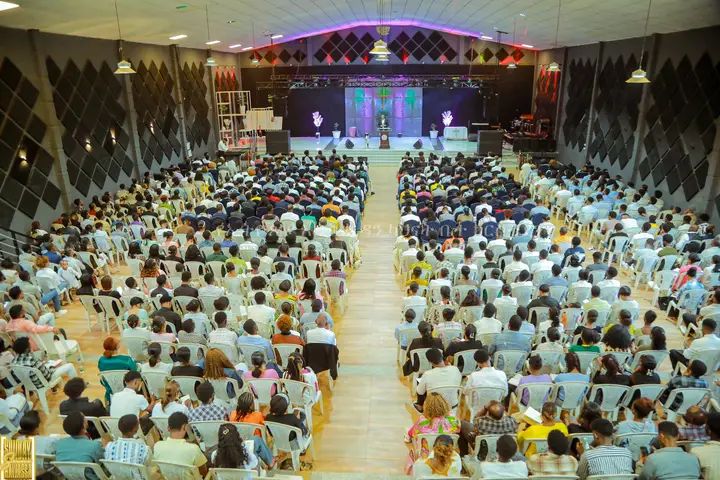
Venue selection in Kenya dictates the required technical footprint and broadcast capabilities for the duration of the shoot. Producers allocate dedicated floor space for camera risers, vision mixing desks, and broadcast servers.
These installations provide clear views for the crew without obstructing the physical audience's sightlines. Designing the schedule accounts for physical tea breaks. Producers provide pre-recorded content or digital networking sessions for remote participants during these intervals to maintain stream momentum.
Project managers draft comprehensive run-of-show documents detailing every microphone change, video playback cue, and stage transition. This rigorous timeline synchronises the physical stage crew with the digital broadcast team.
Proper planning prevents awkward silences or dead air on the live feed. Procurement teams finalise venue internet bandwidth capabilities weeks before loading equipment onto the site through company info and technical site visits.
Technical Infrastructure and Audio-Visual Production Standards
Technical directors prioritise audio fidelity over visual spectacle to retain remote attendee retention. Professional event coordinators suggest the Virtual-First audio approach. The sound mix serves the stream primarily, with a secondary mix for the room.
This configuration ensures that remote global speakers do not suffer from the echo-chamber effect common in large Nairobi hotel halls. The event videographer works closely with the audio engineer to ensure sync remains perfect throughout the transmission.
Redundant internet connections secure the upstream transmission against local ISP fluctuations. Network engineers deploy bonded 4G/5G cellular routers alongside primary fibre optic lines to maintain a steady upload bitrate.
Implementing this failover architecture guarantees the livestream remains active even if the venue infrastructure fails.
For podcasters integrated into larger events, using the right podcast equipment Kenya standards ensures high-quality voice capture for the digital audience.
Multi-Camera Setups and Dynamic Content Delivery
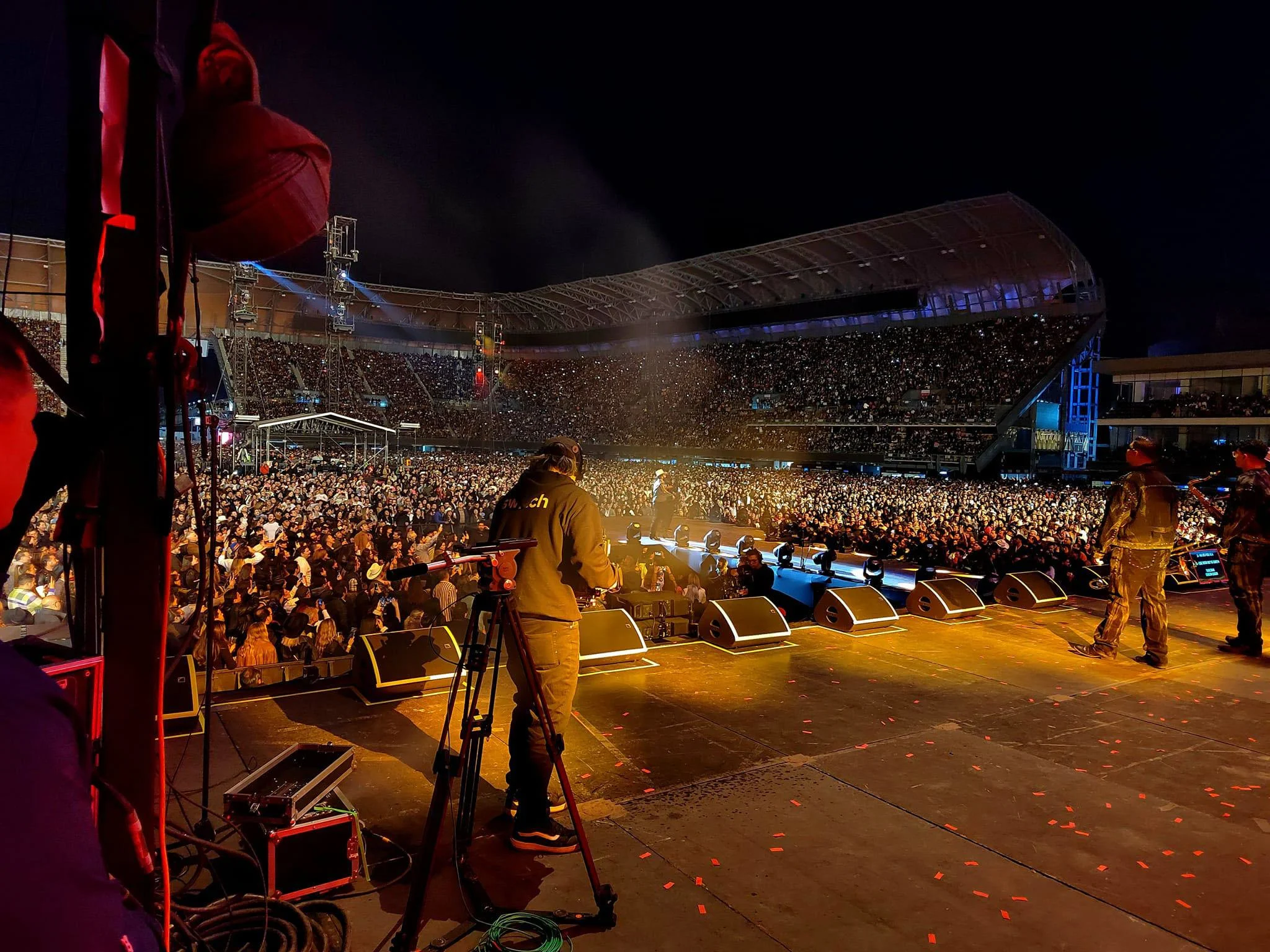
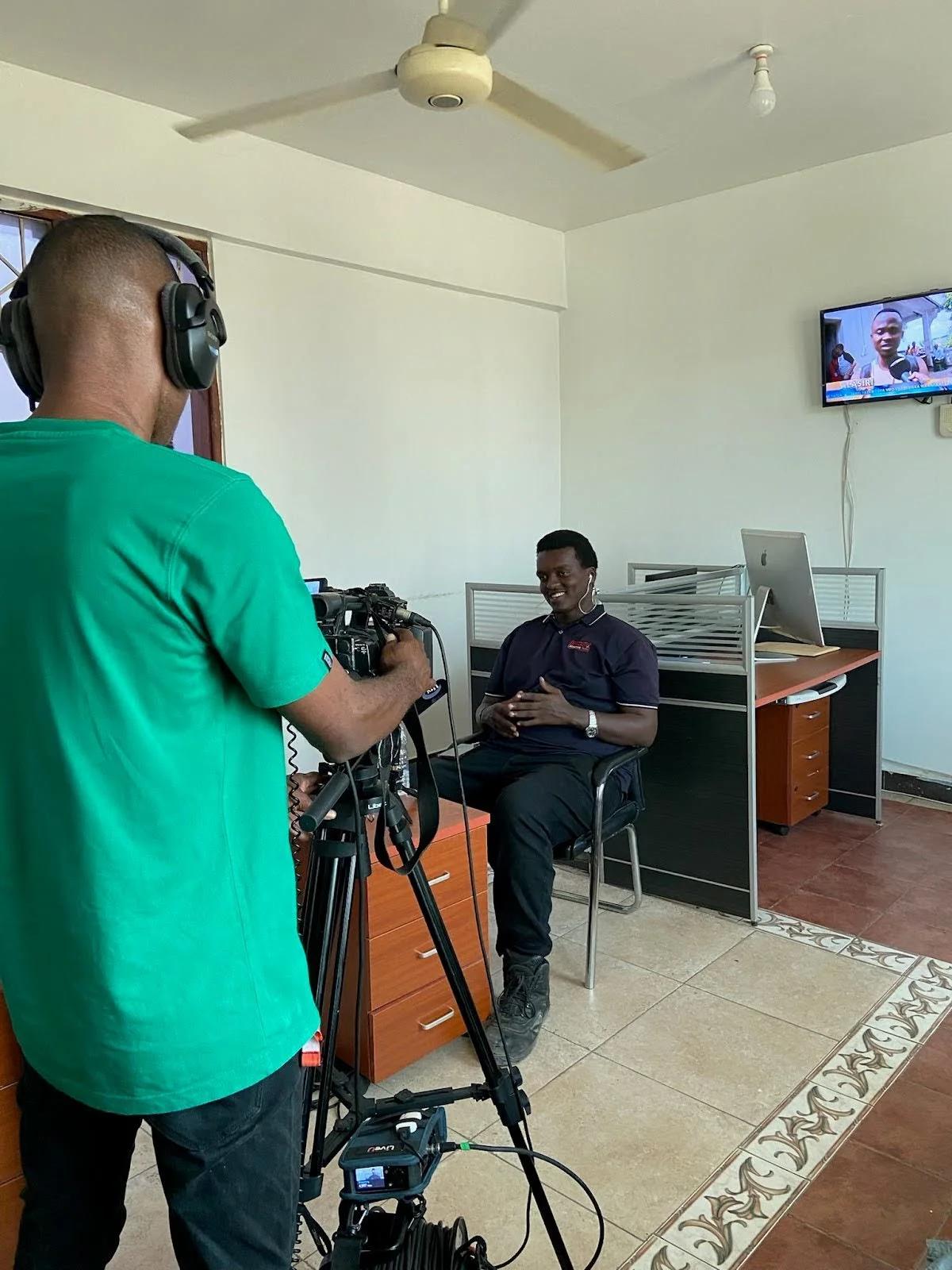
Broadcast teams deploy minimum three-camera setups, consisting of a wide tracking shot, a tight podium angle, and a roaming camera for audience reactions. Vision mixers cut between these feeds dynamically.
They layer picture-in-picture layouts for presentation slides and active speakers. This structural variety prevents broadcast fatigue for delegates watching on standard laptop monitors.
Digital directors often request a corporate photoshoot Kenya session beforehand to provide high-quality speaker headshots for the broadcast graphics.
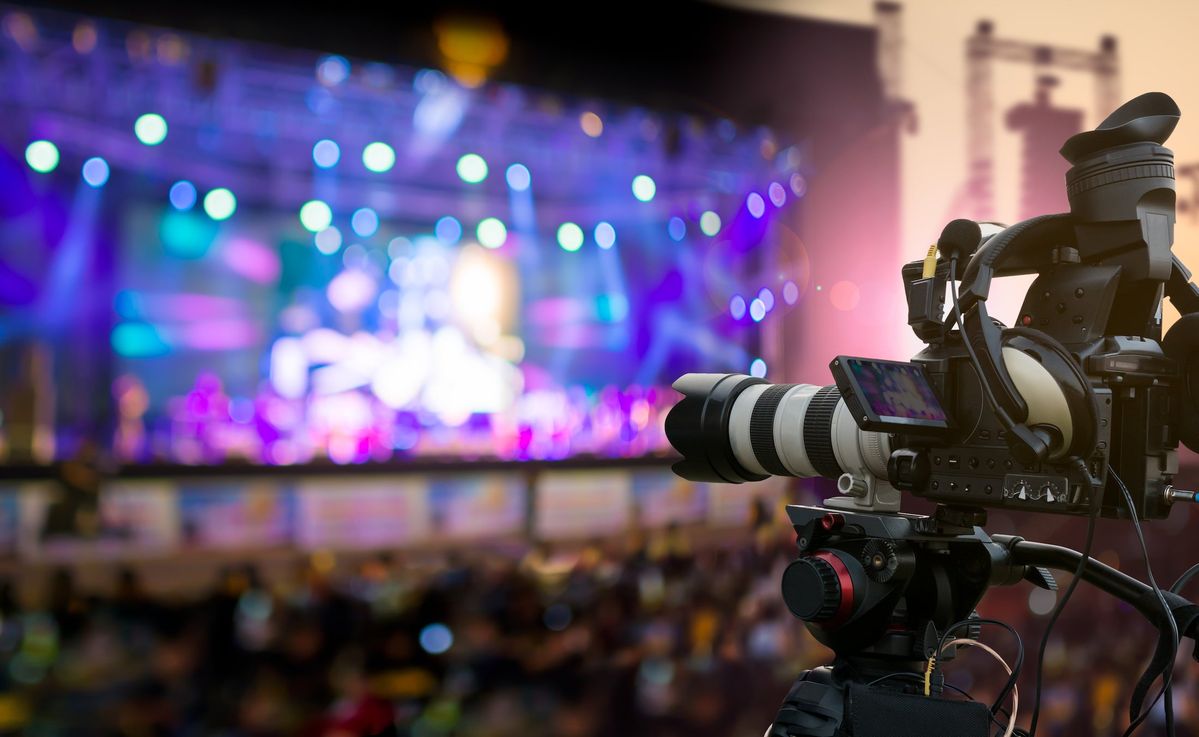
Camera operators equip telephoto lenses to capture crisp close-ups of panellists from the back of the conference hall.
Running SDI cable infrastructure from these cameras to the master control desk eliminates the signal delay associated with wireless video transmitters. This hard-wired approach provides the stability required for day-long summits in convention centres.
Professional Lighting and Stage Design for Nairobi Venues
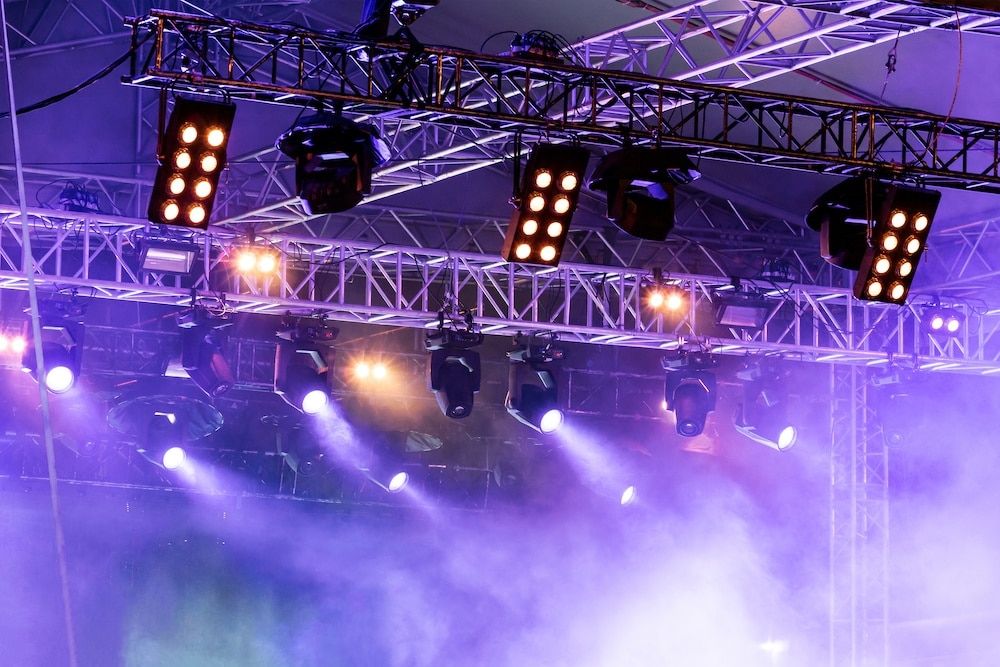
Lighting technicians utilise high-CRI bi-colour LED panels to balance the stage illumination against harsh ambient daylight common in glass-panelled Kenyan convention centres.
Balanced front lighting guarantees clean camera exposure for the live streaming Kenya feed. Atmospheric uplighting establishes the corporate brand identity in the physical room for the benefit of local guests.
Grip teams rig these fixtures on overhead trussing to keep the stage floor clear of tripods and power cables.
Programmers route the DMX lighting console to trigger specific colour changes matching the digital presentation slides. This visual synchronisation unifies the experience for both groups of attendees.
Platform Integration and Remote Attendee Engagement Systems
Integrating custom event platforms enables delegates to access the RTMP stream through a secure web portal. API bridges synchronise the physical registration database with the virtual login system.
This process generates unique access tokens for paid attendees. Production managers embed custom video players that bypass public video-sharing algorithms and external advertisements to maintain a professional environment.
Software administrators configure digital sponsor booths within the portal where remote attendees download brochures and schedule one-on-one video calls. Centralising the user interface keeps attendees within the branded ecosystem.
This prevents their attention from fragmenting across multiple third-party applications. Clients can reach us to discuss specific platform integrations for large-scale Nairobi conferences.
Coordinating Global Speakers Across Time Zones
Production coordinators schedule dedicated technical rehearsals with remote speakers 48 hours prior to their slotted presentation.
Technicians verify the speaker's local internet bandwidth, webcam framing, and microphone clarity to establish broadcast viability. These tests ensure the remote feed meets the standards of a professional photographer Kenya team's visual requirements.
Virtual green rooms hold international presenters in a private digital space before the vision mixer pushes their feed to the live output.
Floor managers feed the remote speaker's audio into the physical venue monitors and their video onto the main LED wall. This setup facilitates natural dialogue with the in-person moderator without technical distractions.
Interactive Tools for Participant Engagement
Digital moderation tools aggregate questions from both the physical floor microphones and the virtual chat interface onto a single tablet for the panel moderator.
Implementing live polling software displays real-time data visualisations on both the in-room LED screens and the broadcast feed simultaneously. This synchronisation validates the presence of remote attendees and drives active participation metrics.
Session hosts verbally acknowledge virtual comments to bridge the geographical divide and foster a unified conference environment. Real-time data from these interactions provides immediate feedback on the success of specific topics.
The production team monitors these metrics to adjust camera angles or lighting if engagement dips during specific sessions.
Venue Management and On-Site Participant Experience
Event managers configure the physical registration layout using QR code scanning terminals to process attendees efficiently. Strategically placed digital signage directs foot traffic away from active camera zones and thick cable runs.
Dedicated hospitality teams manage catering logistics. They ensure clattering cutlery and service noise do not bleed into the primary broadcast microphones during live sessions.
Acoustic engineers position delay speakers throughout the venue to provide even audio coverage without requiring excessive volume at the front of the stage. This prevents audio feedback loops and protects the physical delegates' hearing during day-long seminars.
Using a studio photographer Nairobi for on-site branding photography ensures the physical atmosphere is captured for future marketing materials.
Post-Event Analytics and Data Reporting
Analytics dashboards track granular viewing data, including average watch times, drop-off points, and peak interaction periods. Sponsors evaluate these metrics to quantify brand exposure and calculate their return on investment.
Organisers export comprehensive engagement reports detailing poll responses, downloaded resources, and session popularity to inform future event strategies. Marketing departments leverage this hard data to secure higher sponsorship tiers for subsequent annual events.
Ticketing integrations compile geographic data from remote log-ins. This maps the exact global footprint of the conference.
These reports provide tangible proof of the event's influence beyond the local Nairobi market. Teams use this information to refine their targeting for future hybrid gatherings.
Operational Challenges and Infrastructure Continuity in Kenya
Executing simultaneous physical and digital operations in Nairobi requires strict contingency planning for power and connectivity infrastructure. Technical teams mandate independent Uninterruptible Power Supply (UPS) systems and standby diesel generators to maintain broadcast continuity during national grid failures.
Logistics coordinators process equipment import carnets and secure specialised work permits for international guest technicians weeks in advance. Securing local hardware redundancies prevents production halts if primary broadcast servers suffer transit damage.
Local knowledge remains essential for navigating these logistical requirements. Photoshoot Kenya provides the equipment and expertise to handle these regional challenges.
Choosing a partner with a deep understanding of the local landscape ensures the production remains stable regardless of external infrastructure issues.
Cybersecurity Protocols and Data Privacy Standards
IT administrators enforce end-to-end encryption protocols on the streaming platform to prevent unauthorised third-party interception of proprietary corporate presentations. Registration systems comply with strict data protection frameworks.
They anonymise attendee contact information while processing digital payments. Two-factor authentication secures the administrative backend for the vision mixing and hosting teams.
Cybersecurity protocols dictate routine vulnerability scans on the event portal leading up to the live broadcast dates.
On-Site Technical Support and Production Teams
.jpg)
Complex hybrid productions require distinct operational squads managing the in-room AV and the digital broadcast simultaneously. A dedicated stream technician monitors the outbound bitrate and encoding software health throughout the entire conference.
Floor managers coordinate with the physical stage crew to relay timing cues from the broadcast director via wireless comms. Assigning specific roles eliminates cross-departmental confusion during fast-paced panel transitions.
The technical director calls camera shots, cues graphics, and authorises audio feeds from a centralised command station. This hierarchical structure ensures every person on the crew knows their responsibility during live transitions.
Organisers can booking photoshoot Kenya staff who specialise in these high-pressure broadcast environments.
Real-Time Troubleshooting Protocols
Digital helpdesk agents staff a live chat channel specifically to resolve login failures, audio drops, or browser compatibility issues for remote users.
On-site AV technicians position themselves near the primary audio racks to rapidly swap out faulty wireless microphone transmitters or replace drained batteries. Resolving technical faults within a 60-second window protects the professional integrity of the event.
Hardware technicians maintain hot-swappable backup servers mirroring the primary broadcast feed to execute instant switchovers if a primary machine crashes.
Branding and Visual Identity for Hybrid Content
Graphic designers build animated lower-thirds, custom holding loops, and branded transition stingers that match the corporate style guide. Broadcast software overlays these graphical assets onto the live video feed to deliver a television-grade aesthetic.
Physical stage sets feature custom-printed fabric backdrops or programmable LED pixel mapping to unify the visual identity across both mediums. These elements provide a cohesive look for the Photoshoot Kenya production team to capture on film.
Sponsors provide commercial video assets played during transitions. These videos offer high-visibility inventory outside of physical banner placements.
Digital watermark logos sit persistently in the corner of the stream to protect the footage from unauthorised redistribution during the live transmission.
Content Archiving and Post-Event Distribution
Video editors segment the master broadcast recording into individual session files for Video-on-Demand hosting within 24 hours. Delivering isolated multi-track audio and raw camera feeds allows marketing departments to produce short-form promotional clips for LinkedIn and corporate websites.
Archiving the high-bitrate ProRes master files ensures the organising committee retains full ownership of the intellectual property. Storage technicians transfer these heavy data loads onto redundant physical drives immediately following the event's conclusion.
Booking Professional Services with Photoshoot Kenya
Corporate event directors book Photoshoot Kenya to secure reliable technical infrastructure and experienced broadcast personnel. Consolidating photography, multi-camera videography, and livestream encoding under one agency eliminates logistical friction and guarantees consistent media quality.
Procurement teams review the clear equipment inventories and technical riders to finalise service contracts rapidly. Engaging a single visual content partner ensures precise synchronisation between the physical floor execution and the global digital broadcast.