Webinar Production Nairobi | Best Practices & Tech Guide
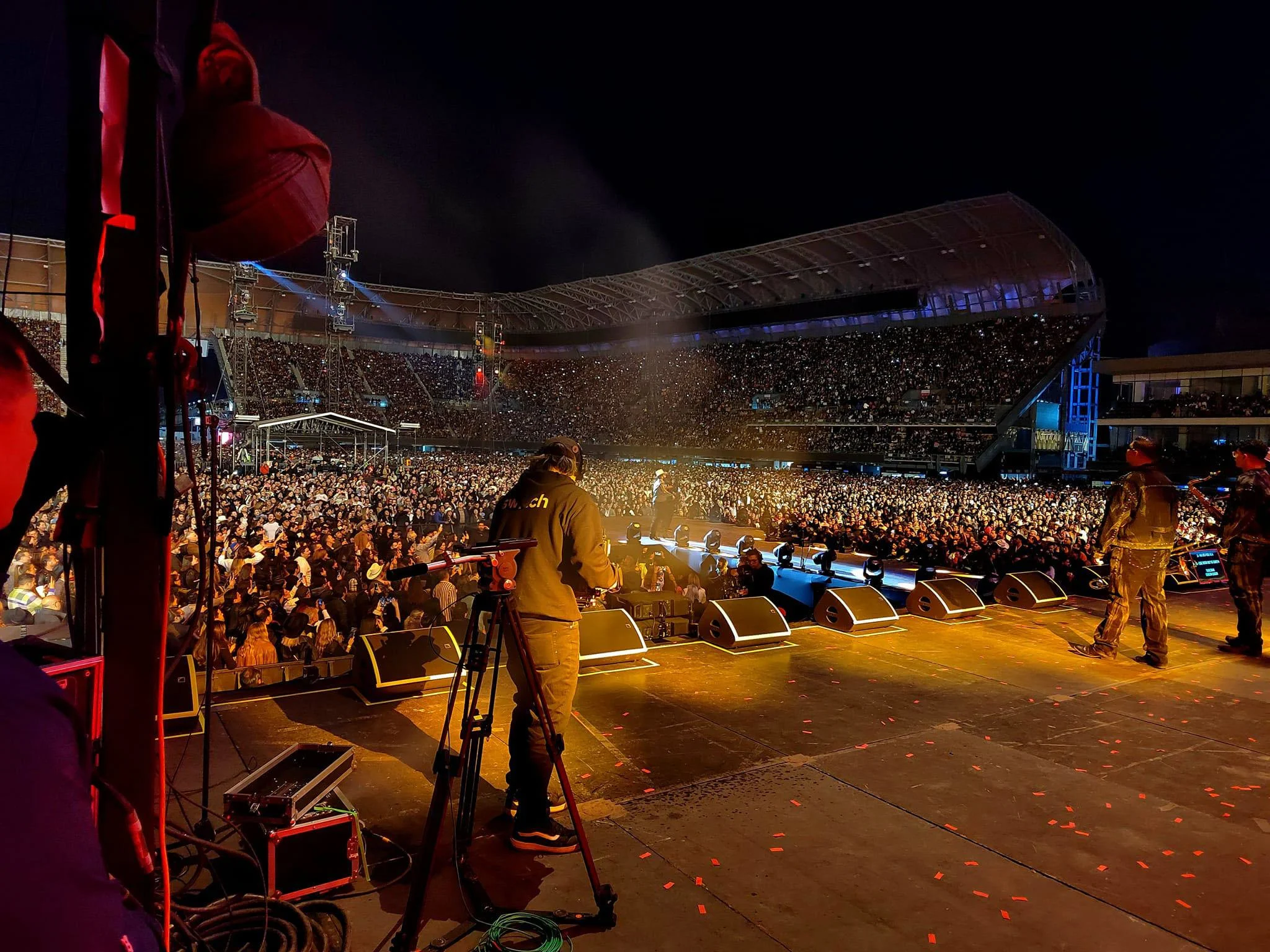
Professional webinar production in Nairobi requires broadcast-grade video hardware, redundant internet connectivity, and dedicated mixing software to deliver corporate broadcasts.
Corporate organisations in Kenya require this level of technical precision to maintain sponsor credibility and ensure international delegates experience a stable transmission.
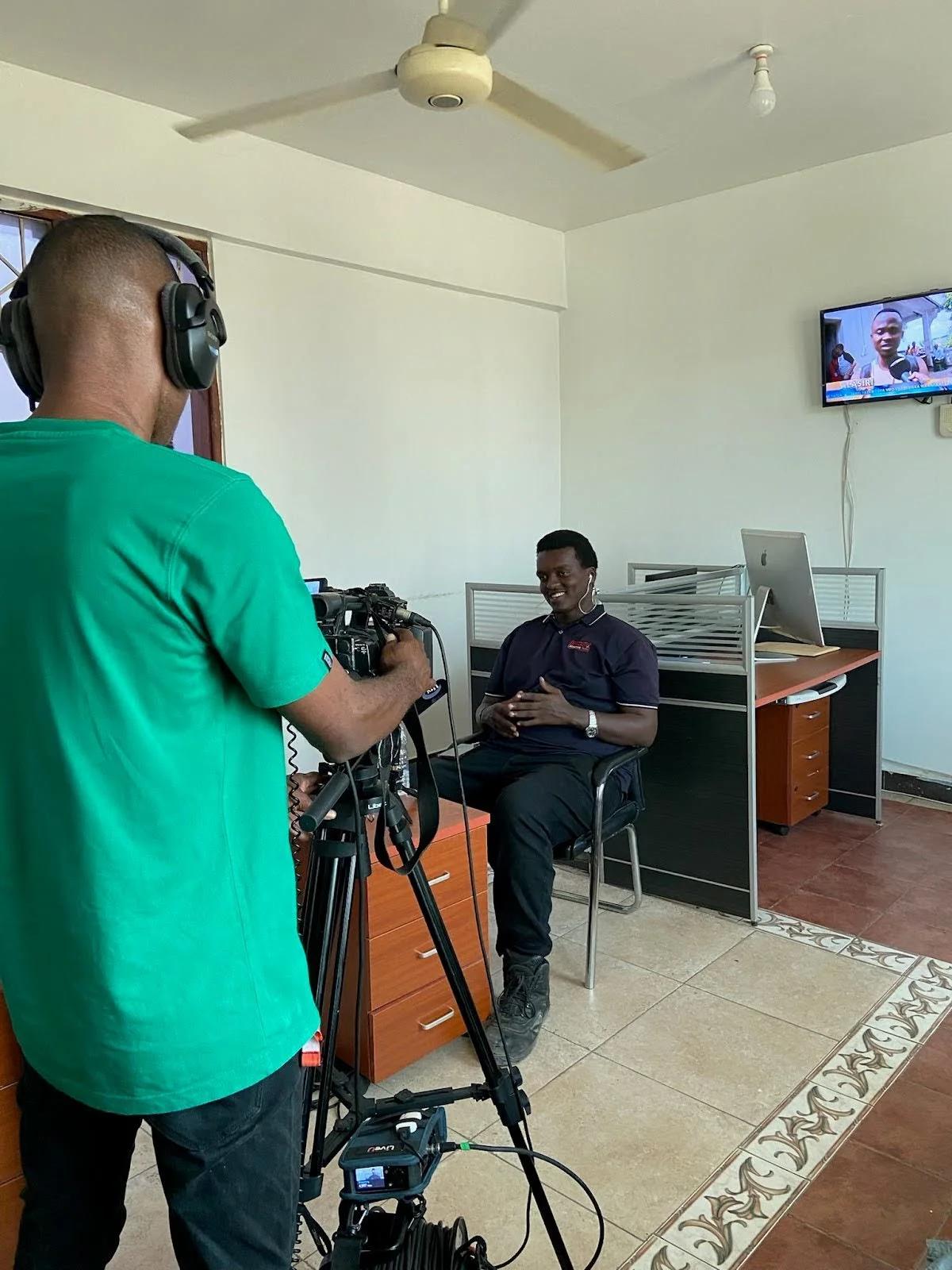
Using professional live streaming Kenya services ensures that every technical aspect, from audio clarity to visual pacing, meets global standards for virtual engagement.
- Executing strategic pre-production and run-of-show scheduling.
- Deploying technical multi-camera setups via hardware switchers.
- Managing dynamic live streams for maximum audience retention.
- Implementing robust connectivity and backup power solutions.
- Utilising advanced graphic overlays to elevate production value.
Pre-Production Workflows for Nairobi Corporate Webinars
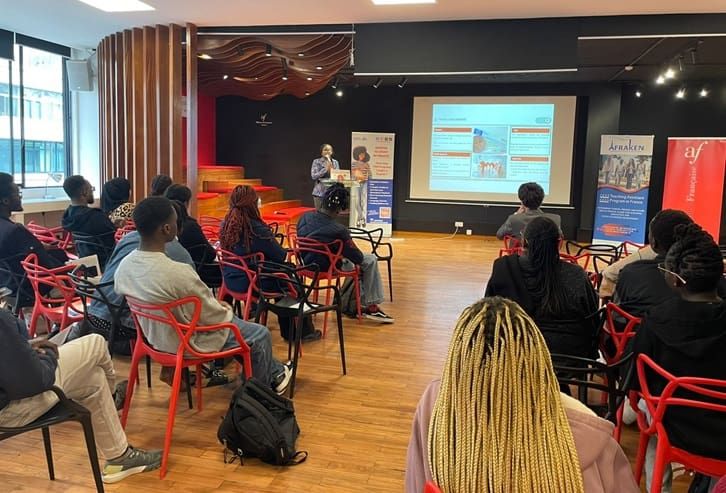
Event organisers depend on meticulous pre-production to align speaker schedules and technical rehearsals before the broadcast day. Professional videography Kenya teams conduct site surveys across popular Nairobi venues to assess ambient lighting and acoustic challenges inside conference halls.
Drafting a detailed run-of-show ensures technical directors know exactly when to trigger video roll-ins or switch camera angles. Production managers coordinate technical briefing sessions with remote panellists to test their local internet speeds and webcam positioning.
Establishing these baseline technical parameters prevents amateur framing and audio dropouts during high-profile corporate presentations. Organising graphical assets into structured media pools allows the switching operator to fire lower-thirds and holding slides instantly.
Technical Hardware and Broadcast Equipment for Nairobi Events
Standard webcams fail to meet the visual standards demanded by multinational corporations hosting virtual summits. Technical crews deploy cinema-line cameras such as Sony FX6 or Blackmagic Design units.
These units route low-latency feeds through SDI cables to dedicated hardware switchers. Equipping cameras with fast zoom lenses gives operators the flexibility to frame tight presenter shots from the back of the auditorium.
Many organisers also check the podcast equipment Kenya market to find compatible audio interfaces for high-fidelity sound. Crisp audio delivery requires lavalier microphones operating on clean RF frequencies to eliminate room echo.
Audio engineers route all microphone feeds through digital mixing consoles to apply real-time compression and EQ filters before the final broadcast encoding.
Live Stream Operations and Audience Engagement Strategies

Dedicated stream managers monitor transmission bitrates and frame drops throughout the live broadcast to prevent buffering issues for remote attendees. Technical directors cut between wide venue establishing shots and tight speaker angles to maintain visual pacing during lengthy keynote sessions.
Integrating moderated Q&A dashboards allows the production team to filter incoming audience questions before pushing the selected text to the presenter monitor. Interactive broadcast features require precise operational timing to keep the online audience engaged.
The physical room breaks for coffee while video operators trigger pre-recorded holding loops providing remote viewers with countdown timers and sponsor branding.
Managing multi-language translation feeds ensures Francophone and Lusophone delegates receive isolated audio tracks via specific broadcast channels.
Post-Event Editing and Content Distribution Workflows
Post-event workflows transform raw stream recordings into polished video-on-demand assets for ongoing marketing distribution. Video editors trim pre-show dead air and master the audio tracks to broadcast standards.
Delivering these high-resolution files within 48 hours allows corporate communications teams to capitalise on post-event momentum. Content creators slice the primary keynote recordings into short-form vertical highlights.
A photoshoot Nairobi specialist can also provide high-resolution stills from the video feed to accompany these social media posts. Marketing agencies utilise these micro-content pieces to drive traffic toward gated registration pages.
Archiving the isolated camera feeds onto redundant hard drives protects the raw footage for future promotional campaigns.
Connectivity Redundancy and Power Management in Nairobi
Grid power fluctuations and internet dropouts pose operational risks to live broadcasts originating from the central business district. Technical teams mitigate these infrastructure threats by deploying active uninterruptible power supplies and bonded cellular routers linking multiple networks.
Hardwiring all broadcast laptops to network switches eliminates the instability associated with venue Wi-Fi connections. These setups typically include hardware from Safaricom and Airtel to ensure a failover path exists if one provider fails.
Local recording monitors like the Atomos Ninja V preserve high-resolution video backups if the primary stream disconnects. This multi-layered redundancy strategy is essential for high-stakes broadcasts where downtime is not an option.
Future Trends in Kenyan Virtual Event Production
Nairobi webinars must use graphic automation to distinguish their broadcasts by 2026. This involves real-time data overlays including dynamic speaker names and live polls baked directly into the stream via vMix software.
Simple screen-sharing looks amateur to corporate sponsors and hardware-encoded graphics are now a baseline requirement for high-tier event financing. Artificial intelligence tools assist broadcast directors by automating multi-camera switching based on active microphone inputs.
Cloud-based video production platforms enable remote teams to mix Nairobi-based camera feeds from off-site control rooms. Advancements in AV1 encoding allow production companies to push 4K HDR streams using significantly less bandwidth than legacy codecs.
Technical Integration for Hybrid Events in Nairobi
Hybrid broadcasting requires complex audio routing to ensure virtual speakers can hear the physical audience without generating feedback loops. Audio engineers configure mix-minus setups on digital consoles to isolate the local PA feed from the return broadcast feed.Visual integration relies on bright LED video walls inside the physical venue to display remote participants alongside live panel members. Camera operators block their shots carefully to avoid capturing the projection screens directly to prevent distracting moiré patterns.
Technical producers assign dedicated floor managers to cue the live audience when remote speakers transition onto the primary screen. This synchronisation connects physical delegates with digital attendees to establish a unified event environment.
Platform Integration for Zoom and Microsoft Teams

Corporate IT policies often dictate the primary broadcast platform. Production crews interface directly with Zoom Webinars, Microsoft Teams Live, or Webex to meet these requirements.
Streaming technicians bypass the heavy compression limits of these native applications by feeding a processed virtual camera output from vMix into the software. This routing technique preserves colour accuracy and graphic sharpness while adhering to the mandatory software ecosystem.
High-budget productions utilise custom RTMP destinations to broadcast directly to dedicated landing pages. These pages feature enterprise paywalls and gated access protocols.
Bypassing commercial platforms grants event organisers total ownership of the viewer data and eliminates third-party branding.
Data Analytics and Performance Reporting for Streamed Events
Quantitative streaming data validates the return on investment for marketing departments funding large-scale virtual events. Streaming platforms generate raw metric reports tracking unique viewer counts and peak concurrent attendance figures.
Data analysts process these figures to measure geographical reach and user hardware preferences across the delegate list. Marketing directors review audience drop-off graphs to pinpoint exactly when viewers disconnected.
Identifying these retention bottlenecks informs content strategy adjustments for subsequent broadcast schedules. Exporting interactive chat logs provides sales teams with direct leads and qualitative feedback regarding specific product announcements.
This data ensures that future corporate photoshoot Kenya sessions or video productions align with audience interests.
Professional Broadcast Support from Photoshoot Kenya
Event planners secure predictable technical execution by contracting experienced streaming crews for their corporate summits. Clients should consider booking photoshoot Kenya technical teams early to ensure equipment availability for peak conference seasons.
Photoshoot Kenya provides end-to-end broadcast management including cinema-line cameras and bonded routers. Deploying dedicated teams allows the client to focus entirely on speaker management and audience networking.
Procurement departments coordinate directly with the booking desk to finalise equipment manifests and secure load-in dates. Production managers assess the specific demands of the venue to curate custom lighting and audio packages.
Engaging professional technical services guarantees that the final digital broadcast accurately reflects the premium status of the hosting brand. You can reach us to discuss technical requirements for your next broadcast.