Start Professional Multi-Cam Podcast in Nairobi | Expert Setup
Starting a professional podcast in Nairobi with a multi-cam setup requires the integration of high-resolution camera systems and specialized acoustic environments.
Corporate communications teams in Kenya use these professional configurations to produce broadcast-quality media that meets global streaming specifications for platforms like YouTube and Spotify.
- Developing a strategic podcast format and identifying the target audience.
- Acquiring matched multi-camera systems and broadcast-grade microphones.
- Installing acoustic shielding foam to block external urban traffic noise.
- Implementing hardware-based live switching for real-time video editing.
- Recruiting a technical crew to manage digital audio workstations.
- Configuring power inverters and dual-WAN internet for production stability.
- Executing post-production workflows for micro-content and audio mastering.
- Managing intellectual property releases and commercial production permits.
- Consulting with technical specialists for full-scale studio integration.
Strategic Planning for Nairobi Podcast Production and Brand Identity
.jpg)
Corporate teams must establish a structured content strategy before investing in technical equipment. Establishing the primary format dictates the specific camera angles and microphone count.
The physical layout requirements change depending on whether the production uses interview styles, solo commentary, or multi-guest panel discussions.
Producers who follow a detailed how to podcast Kenya guide often achieve better engagement by aligning their studio aesthetics with audience expectations.
Set design and lighting temperatures must reflect the brand identity to sustain high viewer retention rates. Matching these visual elements with the subject matter ensures the content remains professional and appealing to local and international viewers.
A well-planned corporate photoshoot Kenya session can also provide the necessary promotional assets and headshots required for podcast marketing materials.
Technical Equipment Specifications for Nairobi Multi-Camera Podcast Studios
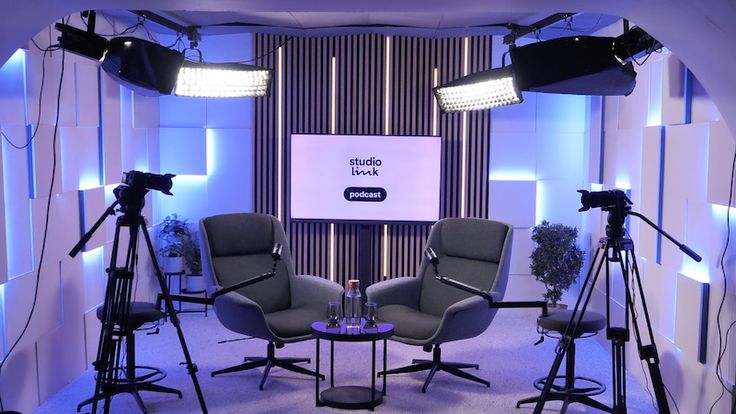
Media professionals deploy matched camera bodies to maintain consistent colour science across all recording angles.
Using three Sony FX30 units provides the 4K 10-bit recording capabilities needed for flexible colour grading during post-production. Consistency in camera hardware prevents distracting visual shifts when switching between speakers.
Technical directors often refer to a podcast equipment Kenya price list to balance budget constraints with the need for high-end videography Kenya standards.
Audio fidelity depends on selecting microphones that perform well in diverse environments. Dynamic cardioid microphones are the preferred choice for studios because they reject off-axis background sounds.
This hardware selection ensures that the primary vocal track remains clear even in buildings that lack perfect soundproofing.
| Component | Recommended Hardware | Logistical Purpose |
|---|---|---|
| Primary Cameras | 3x Sony FX30 | Ensures matched colour profiles for multi-angle editing. |
| Microphones | Shure SM7B | Rejects off-axis noise via cardioid polar patterns. |
| Studio Lighting | Amaran 200d | Delivers consistent key lighting across all speaker positions. |
| Live Switcher | Blackmagic ATEM Mini | Facilitates real-time cuts between camera feeds. |
Acoustic Engineering and Noise Suppression for Nairobi Studio Locations
Persistent traffic and high-density construction pose significant challenges for any photoshoot Nairobi project involving audio.
Content creators must address these auditory disruptions during the initial studio build-out to prevent expensive audio restoration phases in post-production.
Engineers resolve frequency bleed by installing dense acoustic shielding foam across the studio walls and ceiling to dampen sound reflections.
Combining acoustic treatment with tight polar pattern microphones creates an isolated sonic environment.
Physical set construction should also incorporate heavy acoustic curtains over windows and floating floors where possible.
Isolating the recording desk from building vibrations ensures that heavy vehicle traffic on adjacent roads does not register on the microphone mounts or sensitive equipment.
Live Switching Workflows for Real Time Multi-Cam Podcast Editing
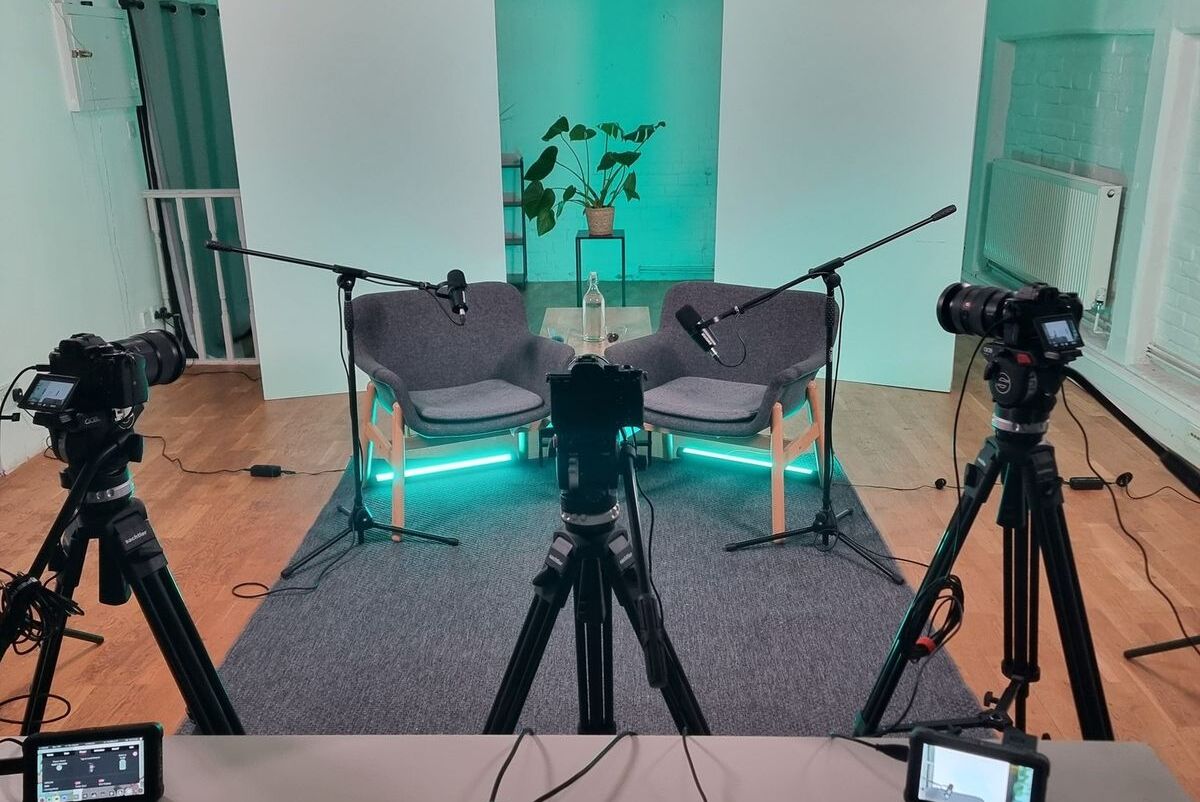
Multi-camera podcasts benefit from hardware-based live switching to bypass computer processor limitations and software lag. Technical directors utilize the Blackmagic ATEM Mini to cut between camera angles during the recording.
This approach generates a synced multicam file immediately, which significantly reduces the time spent in the editing suite. Implementing these live streaming Kenya workflows allows for faster content delivery and higher production efficiency.
Direct hardware switching ensures stable frame rates and prevents audio desynchronisation. Delivering a pre-cut video file right after the session concludes allows the editing team to focus on creative polish rather than basic assembly.
Studio operators monitor these feeds via dedicated multiview displays to track exposure and framing actively throughout the recording.
Production Crew Roles and Software Infrastructure for Professional Podcasting
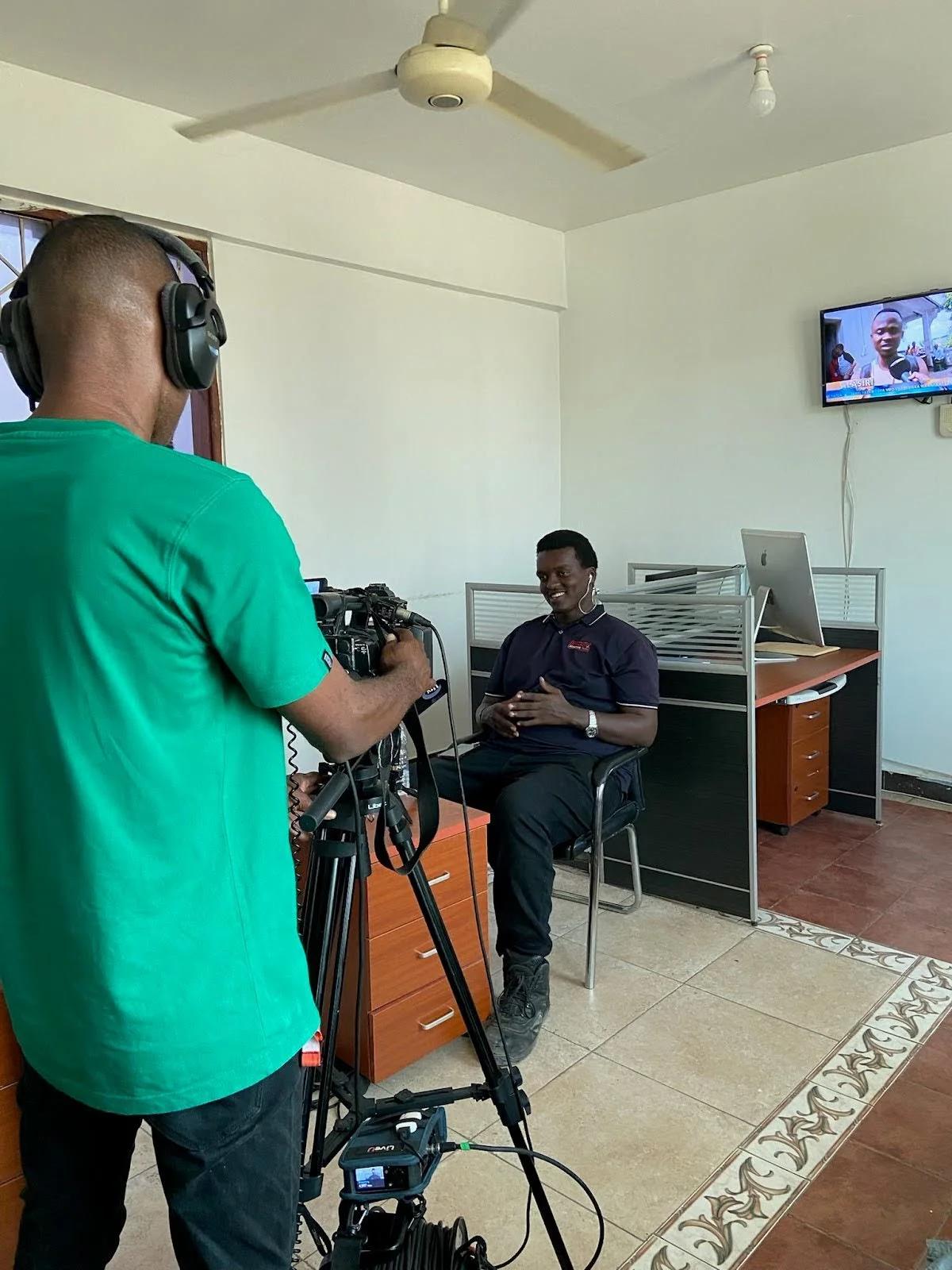
High-tier visual podcasts require a specialized crew to manage specific technical roles. A dedicated technical director handles the live switcher while an audio engineer monitors recording levels to prevent digital clipping.
This division of labour ensures that the creative talent can focus entirely on the conversation without technical distractions.
Many creators find additional tips and production strategies on a reputable photography blog Kenya to stay updated on industry standards.
Digital workflows rely on professional audio workstations and non-linear editing systems. Audio specialists perform mastering passes to optimize vocal clarity, while video editors compile the final cut using industry-standard platforms. Key software tools include:
- DaVinci Resolve Studio for multi-cam syncing and node-based colour grading.
- Adobe Audition for applying broadcast limiters and professional vocal EQ profiles.
- Riverside.fm for recording high-fidelity interviews with remote guests.
Infrastructure Redundancy for Power and Internet Stability in Nairobi Studios
Broadcasting live or recording high-stakes episodes requires failsafe infrastructure to protect against grid instability.
Studio managers install high-capacity pure sine wave inverters supported by lithium-ion battery banks to provide immediate power changeovers during outages. This setup protects the recording hardware and ensures that files are not lost due to sudden power failures.
Network connectivity requires dual-WAN load balancing routers connected to two different internet service providers.
Bonding a primary fibre optic connection with a secondary 5G cellular router ensures that the record podcast Nairobi session maintains sufficient upload bandwidth for live guests or streaming.
Uninterruptible power supplies (UPS) are essential for protecting storage arrays and ensuring that the video data writes completely to the drives.
Post Production Distribution and Content Monetization Frameworks
.jpg)
Video editors transform the primary long-form podcast into high-retention vertical micro-content for TikTok and Instagram Reels.
Extracting 60-second hooks from the recording drives organic traffic back to the full-length episode. Audio engineers export the final mix to specific LUFS standards to ensure volume consistency across diverse playback devices such as car stereos and headphones.
Commercial viability relies on integrating dynamic ad insertion and securing brand sponsorships. Media agencies analyze local demographic data to pitch targeted advertising slots to Kenyan corporate entities.
Effective distribution through an RSS feed ensures the content reaches major directories including Apple Podcasts and Spotify simultaneously.
Regulatory Compliance and Legal Requirements for Kenyan Media Production
Production agencies must ensure compliance with local regulatory frameworks before distributing media content commercially.
Registering the podcast entity and obtaining necessary permits from the Kenya Film Classification Board (KFCB) protects the business from legal disputes.
Intellectual property protection also requires signed release forms for all guest appearances and crew members.
Securing these signatures ensures the production company retains full commercial ownership and distribution rights. Studio managers should also negotiate commercial leases that permit acoustic modifications and extended operating hours.
Reviewing property zoning classifications helps prevent noise complaints from neighbouring tenants during late-night recording sessions.
Professional Media Consultations for Complete Studio Integration
Brand managers often bypass technical bottlenecks by commissioning complete studio integrations through established consultants.
Photoshoot Kenya engineers custom equipment loadouts, acoustic treatments, and lighting grids tailored to specific commercial spaces. Our technical direction services ensure that every corporate podcast launches with broadcast-standard audio and video fidelity.
The deployment team provides hands-on hardware training to internal staff to ensure the reliable operation of multi-cam systems. Professional integration reduces the risk of equipment failure and maximizes the return on investment for media production facilities.
You can booking photoshoot Kenya services or studio consultations to begin your professional podcasting journey with expert support.